Conexiant’s news site is now MDSpire News. Learn more
Advertisement
How Genomics Is Personalizing Drug Discovery
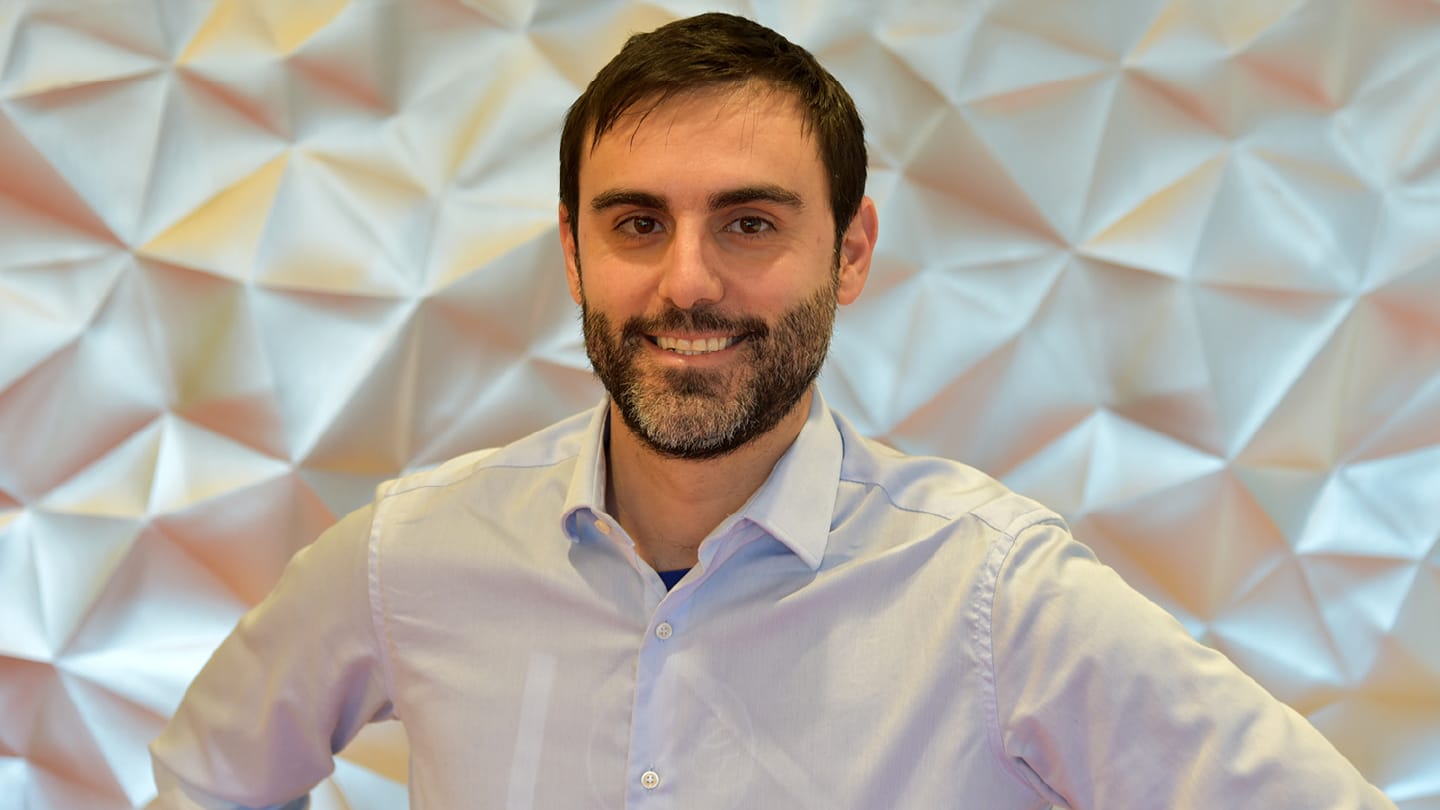
Regeneron Genetics Center’s Luca Lotta explains how population-scale genetic evidence can reveal more promising drug targets and open new possibilities for disease prevention
The article examines the objective, findings, and clinical context described in How Genomics Is Personalizing Drug Discovery.
Approach:
Population-scale research: Regeneron Genetics Center studies de-identified genomic and health data from more than three million people, working with academic centers, health systems, and foundations to identify genetic associations with health and disease.
Genetic evidence for targets: Researchers use naturally occurring genetic variants that activate or inactivate pathways as proxies for modifying those pathways with medicines. The interview describes a staged process that can include preclinical models and clinical development.
Example study: In collaboration with researchers worldwide, RGC sequenced more than one million DNA samples to study rare FNIP1 mutations.
Key Findings:
Lotta reports that, retrospectively, drug targets supported by human genetics are two to three times more likely to succeed and eventually be approved.
People with rare FNIP1 mutations had lower liver fat, more favorable body-fat distribution, lower glucose levels, and approximately 60% lower risk of cardiometabolic disease, including myocardial infarction, metabolic liver disease, and type 2 diabetes.
The interview describes genomic understanding of individual biological variation as a potential basis for assessing disease predisposition; it notes that current applications are relatively narrow.
Interpretation:
The interview presents human genetics as a source of evidence for identifying and evaluating therapeutic targets, while noting that whether a discovery is pursued also depends on unmet need and whether the pathway can be specifically targeted.
Limitations:
The FNIP1 findings are associations reported in the interview; no study citation, methods, or detailed participant characteristics are provided in the supplied context.
The source is an interview with an RGC executive and does not provide independent evaluation of the claims.
The supplied context ends during the discussion of proteomics and metabolomics.
Conclusion:
Lotta says that much of the potential of mapping the human genome remains to be realized and that understanding how genetic variation shapes disease and protection will continue over coming decades.