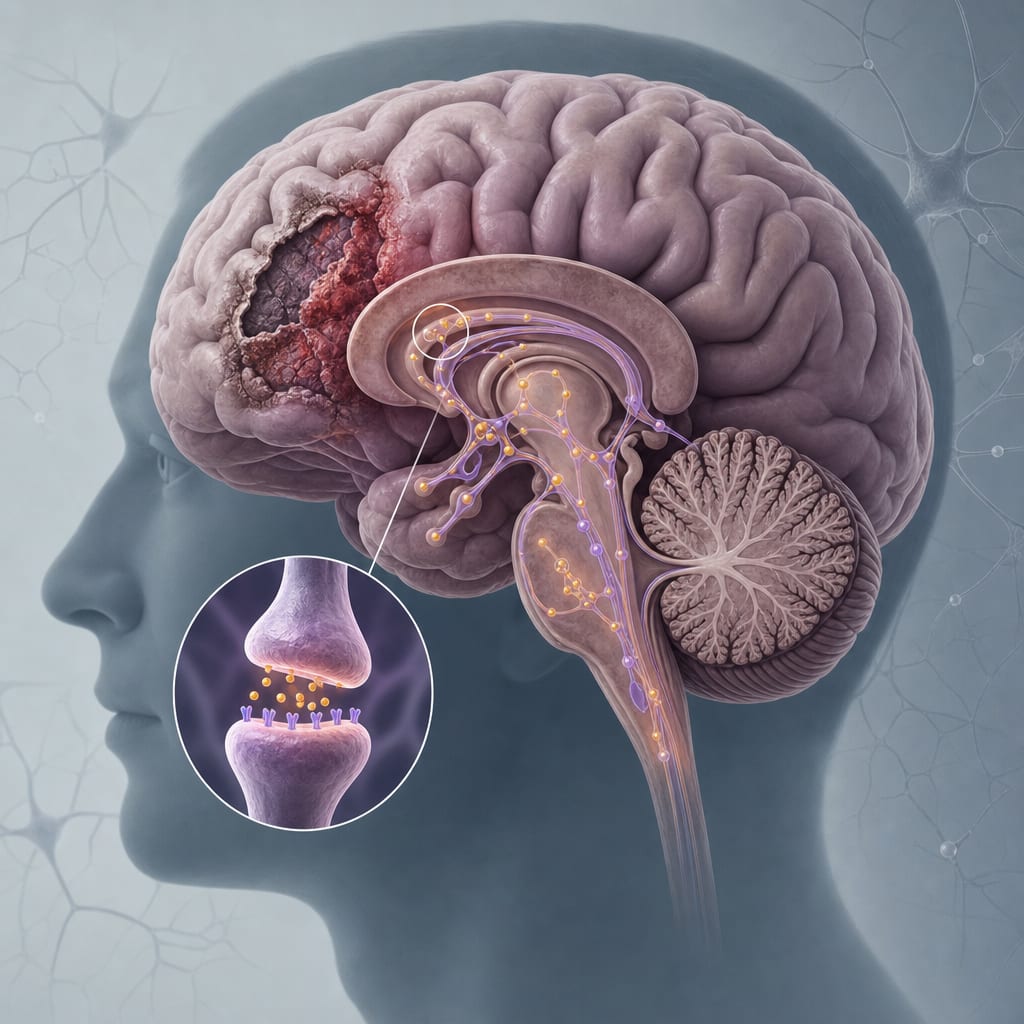
To evaluate the impact of AI-assisted stroke detection on diagnostic performance across varying levels of clinician expertise, particularly in emergency settings.
Key Findings:
Clinicians without radiology training showed significant improvements in diagnostic performance with AI support, with AUC increasing from 0.90 to 0.93.
Experienced readers exhibited minimal changes in performance with AI assistance, indicating a ceiling effect.
AI improved inter-reader agreement (from 0.86 to 0.92) and maintained specificity while enhancing sensitivity across all groups.
Residents had the highest baseline performance, suggesting effective training despite less experience.
AI assistance increased diagnostic confidence among clinicians, potentially reducing time to treatment.
Interpretation:
AI acts as a diagnostic equalizer, particularly beneficial in settings with limited neuroimaging expertise, enhancing overall clinical consistency and quality assurance.
Limitations:
Retrospective, single-center, single vendor design limits generalizability and may not reflect broader clinical practices.
Potential case selection bias and the reader group may not represent all clinical practices, affecting the applicability of findings.
Likert scale for confidence scoring may oversimplify clinician uncertainty, potentially impacting the interpretation of results.
Focus on diagnostic accuracy without addressing workflow, resource, ethical, or patient outcome considerations may limit practical application.
Conclusion:
AI-assisted stroke detection can democratize diagnostic capabilities, improving performance among less experienced readers while maintaining standards for experts, suggesting that tailored implementation strategies for AI in healthcare are crucial.