Identifying clinical features associated with electroconvulsive therapy response in adolescents with major depressive disorder using machine learning - Summary - MDSpire
Advertisement
Identifying clinical features associated with electroconvulsive therapy response in adolescents with major depressive disorder using machine learning
To identify baseline clinical factors associated with poor response to Electroconvulsive Therapy (ECT) in adolescents with Major Depressive Disorder (MDD) using machine learning, highlighting the significance of this approach.
Key Findings:
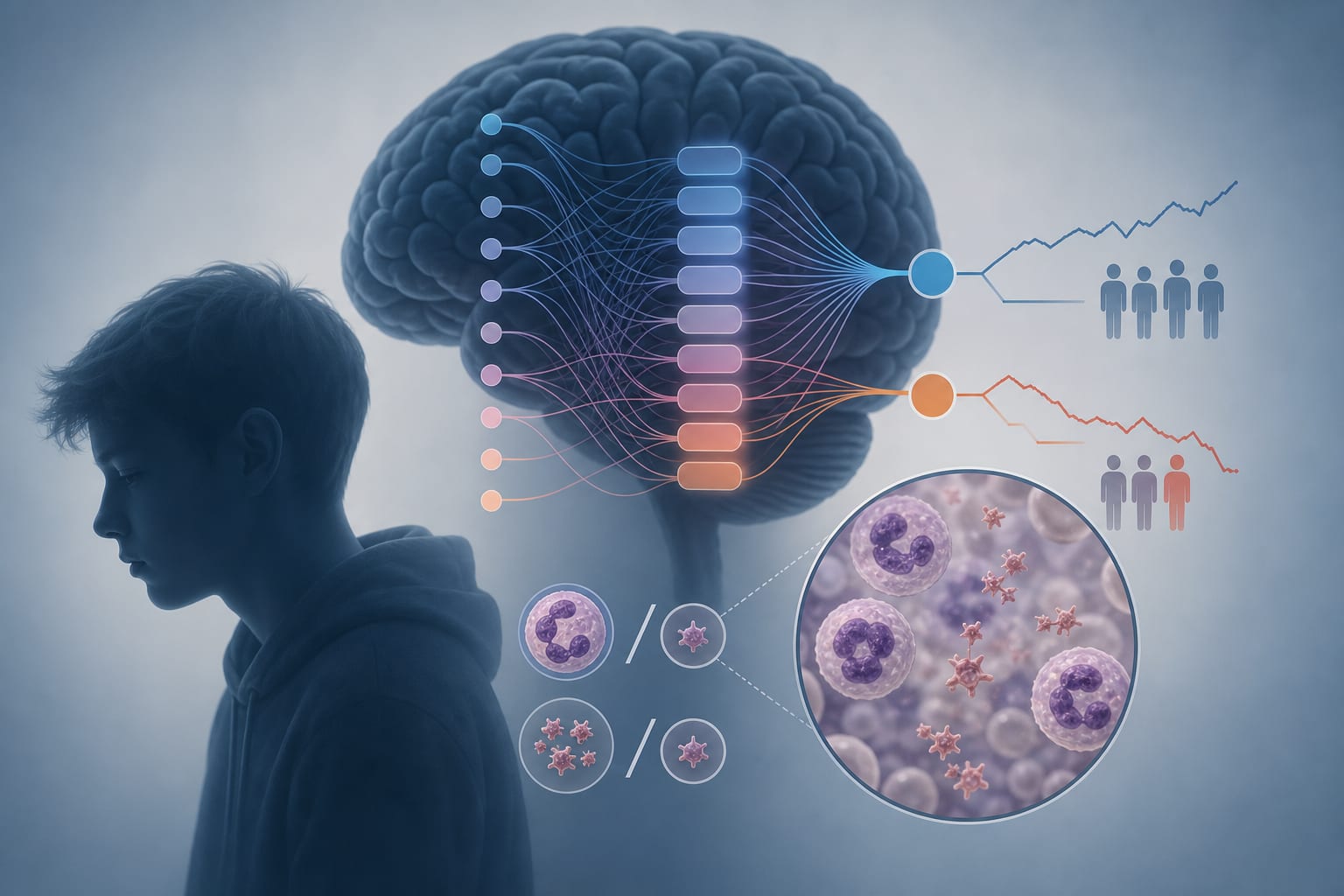
A simplified model using neutrophil-to-platelet ratio (NPR) and pre-treatment HAMD score achieved an AUC of 0.731, indicating moderate predictive ability.
Lower baseline NPR and lower pre-treatment HAMD score were associated with poor ECT response.
Patients in the poor response group completed significantly fewer ECT sessions.
Interpretation:
Routine clinical data, specifically blood NPR and HAMD score, can effectively stratify the risk of poor ECT efficacy, allowing for targeted management of high-risk patients, which is crucial for improving treatment outcomes.
Limitations:
Retrospective design may introduce bias.
Findings may not be generalizable beyond the studied population.
Potential impact of missing data on the results should be acknowledged.
Conclusion:
Identifying high-risk patients early can help clinicians ensure they complete an adequate course of ECT, maximizing therapeutic benefits and improving overall patient outcomes.