Cell Aging May Predict Future Disease - Summary - MDSpire
Advertisement
Cell Aging May Predict Future Disease
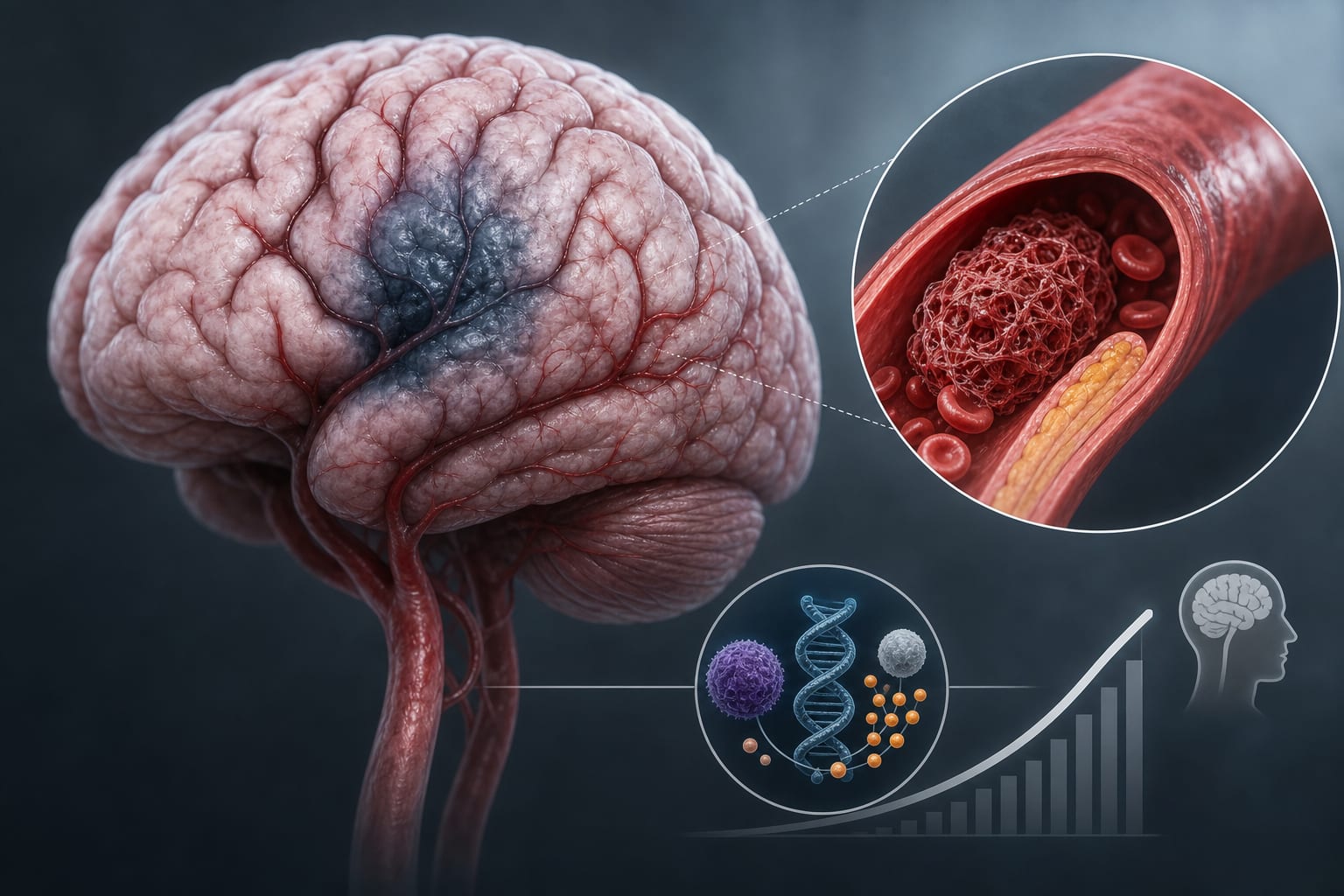
Plasma proteomic models of more than 40 cell types were associated with incident Alzheimer's disease, amyotrophic lateral sclerosis, cancer, and mortality across three large cohorts.
To investigate the association between plasma proteomic signatures of cellular aging and future disease, including specific conditions like Alzheimer's disease and mortality.
Approach:
Key Findings:
Accelerated aging signatures were linked to disease status and incident disease.
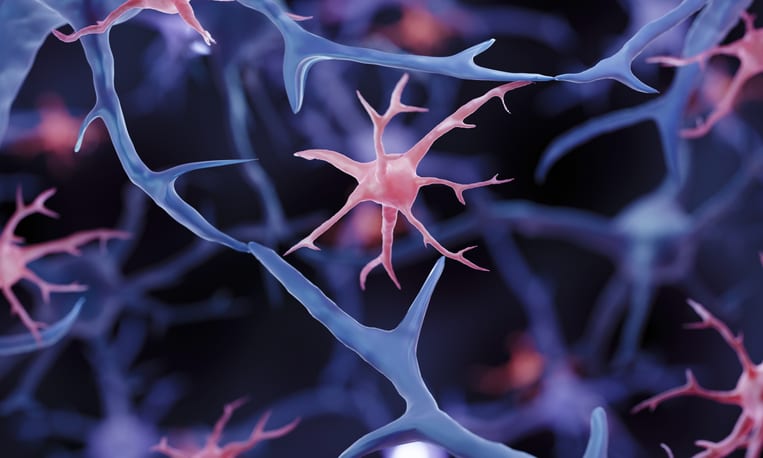
Astrocyte aging was the strongest predictor of incident Alzheimer's disease, with extreme aging correlating to a 12.6-fold higher likelihood of developing AD.
Extreme skeletal myocyte aging was associated with a 12.7-fold higher likelihood of developing amyotrophic lateral sclerosis (ALS).
Cell-specific aging signatures were associated with future cancer and chronic diseases, including lung cancer and type 2 diabetes.
Patients with extreme aging across more than 20 cell types had approximately 34% survival over 15 years compared to about 90% for those without extreme aging.
Interpretation:
Plasma proteomics may provide a noninvasive method for assessing cell type-specific biological aging, potentially aiding in the identification of patients at elevated risk for age-related diseases.
Limitations:
Cellular age estimates were inferred from plasma protein profiles rather than direct tissue measurements.
Cell-type assignments may not fully reflect the complexity of protein production and release.
The observational nature of the study limits causal inferences.
Cohorts were predominantly older and White, limiting generalizability.
Further research is needed to validate findings in more diverse populations.
Conclusion:
The findings establish a framework for quantifying human physiology at cellular resolution, revealing heterogeneous aging trajectories and their impact on disease susceptibility.