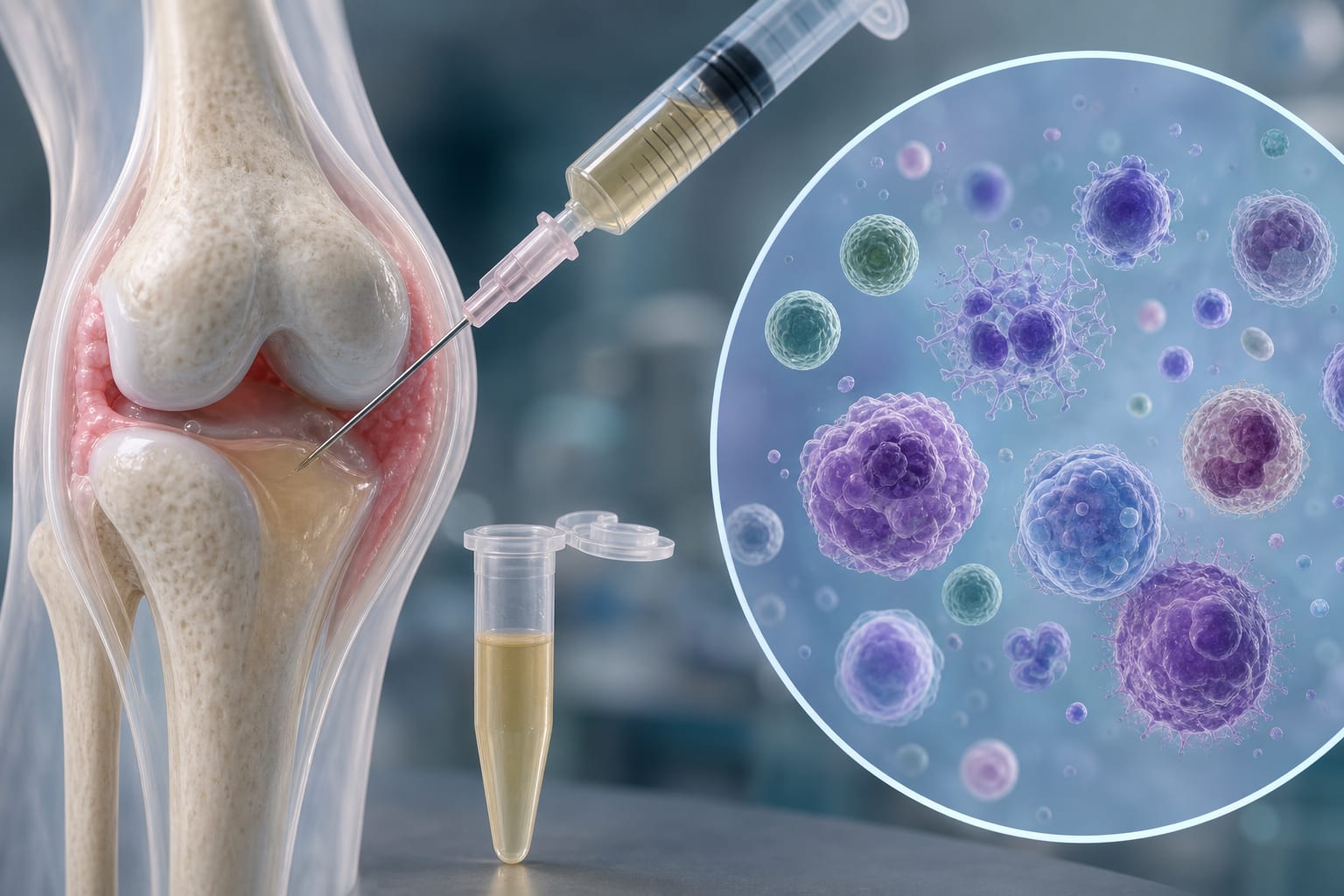
To review the role of mesenchymal stem cells (MSCs) in the management of rheumatoid arthritis (RA) and explore their mechanisms of action.
Approach:
Local Mechanisms: MSCs modulate the Treg/Th17 cell balance, inhibit fibroblast-like synoviocyte proliferation, and regulate the RANKL/OPG system to suppress osteoclast activity.
Systemic Mechanisms: MSCs influence immune homeostasis through the gut-MSC-immune axis by affecting gut microbiota composition and mucosal barrier integrity.
Clinical Trials: Preliminary clinical trials indicate a favorable safety profile for MSC-based interventions, though outcomes vary due to patient heterogeneity and inflammatory environments.
Future Research Directions: Emphasis on standardizing MSC preparation, optimizing administration regimens, and validating long-term efficacy and safety through large-scale trials.
Key Findings:
MSCs exhibit anti-inflammatory and immunosuppressive effects in RA.
Current DMARDs lack regenerative capacity and are associated with significant side effects.
MSCs have low immunogenicity and possess immunomodulatory capabilities.
Clinical evidence for MSC therapy in RA remains heterogeneous and requires further investigation.
Interpretation:
The review discusses the potential of MSCs as a therapeutic strategy for RA.
Limitations:
Current clinical evidence is heterogeneous and not definitive.
Therapeutic outcomes are influenced by patient heterogeneity and inflammatory microenvironments.
Conclusion:
Further research is needed to clarify the therapeutic efficacy and long-term safety of MSC-based therapies in RA.
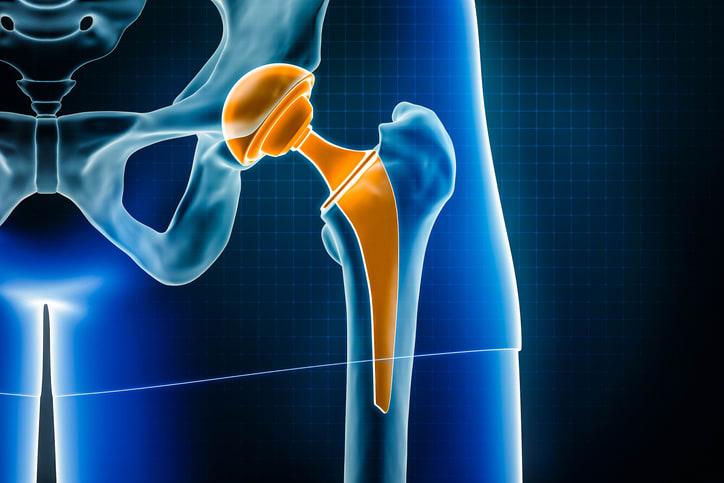
A systematic review of more than 2.3 million patients found that women and men had different patterns of postoperative complications and recovery, with age and implant strategy modifying observed differences.