To describe how the pediatric healthcare team managed pain in a child with juvenile idiopathic arthritis through an integrated, multidisciplinary, and child-centered approach.
Approach:
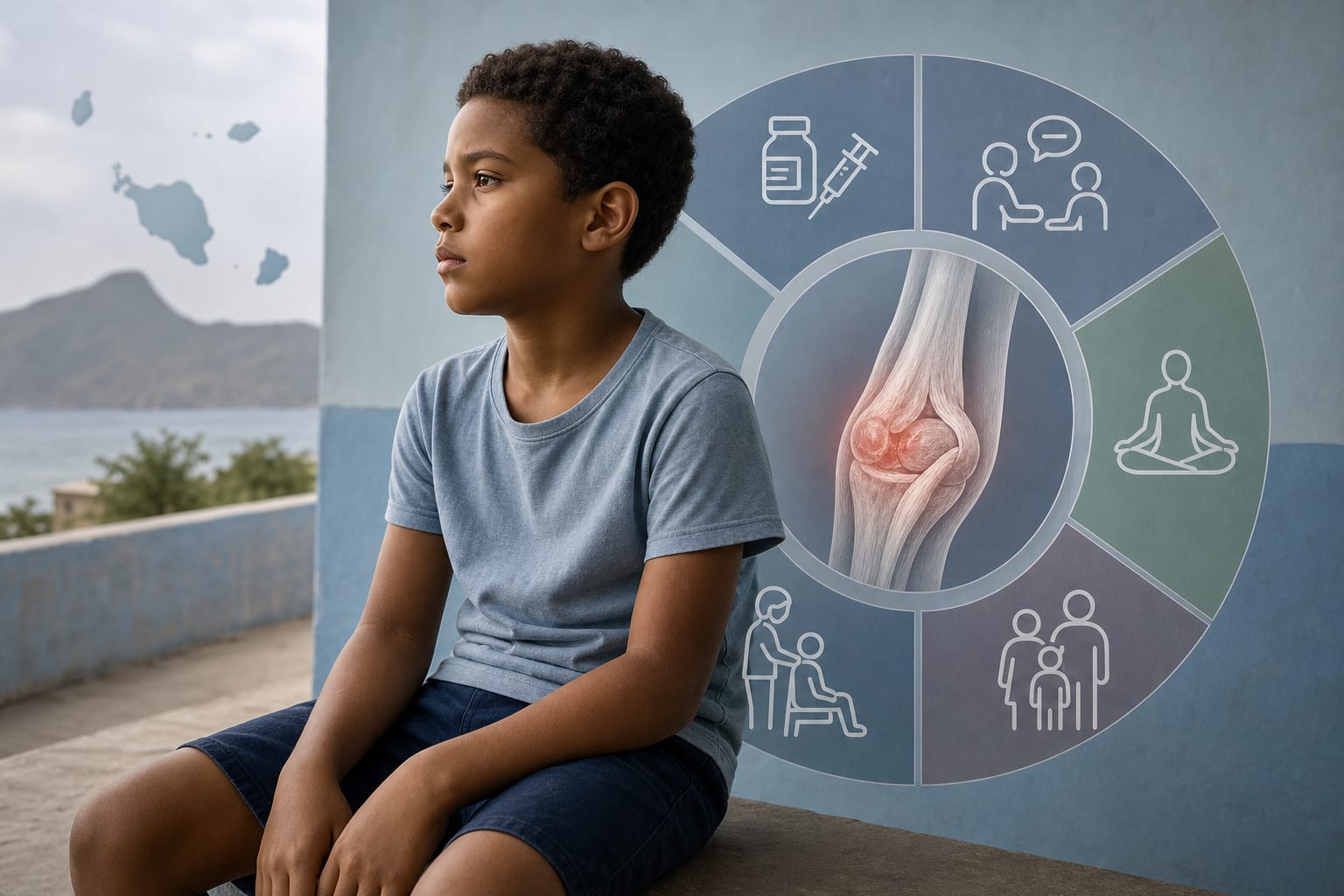
Case Presentation: A 10-year-old male with enthesitis-related juvenile idiopathic arthritis underwent nine months of hospitalization, during which he received pharmacological interventions such as NSAIDs and corticosteroids, alongside non-pharmacological interventions including physical therapy and psychological support.
Key Findings:
Juvenile idiopathic arthritis (JIA) is the most common chronic rheumatic disease in children, leading to significant pain and functional disability.
Psychosocial factors, including family dynamics and social support, influence pain perception and management in children with JIA.
Multidisciplinary approaches combining pharmacological and non-pharmacological interventions are essential for effective pain management.
Interpretation:
The case highlights the complexity of managing chronic pain in JIA and the necessity for a comprehensive approach that includes emotional support and family involvement.
Limitations:
The case study is based on a single patient, which limits the generalizability of the findings.
Resource limitations in Cape Verde may affect the availability of specialized care and biologic therapies.
Conclusion:
Multidisciplinary, child-centered approaches are crucial for optimizing chronic pain management in JIA.
by Deisa Salyse dos Reis Cabral Semedo, Sandra de Sousa Lobo, Neusa Alfreda Mendonça Soares de Carvalho, Celestina Barros Martins, Elisabete Moreno Barros, Denise Castro Cardoso, Diva Elci dos Reis Cabral