Case Report: Immune checkpoint inhibitor-associated myocarditis, myositis, and myasthenia gravis overlap syndrome with flow cytometric phenotyping before and after treatment in a patient with urothelial carcinoma - Summary - MDSpire
Advertisement
Case Report: Immune checkpoint inhibitor-associated myocarditis, myositis, and myasthenia gravis overlap syndrome with flow cytometric phenotyping before and after treatment in a patient with urothelial carcinoma
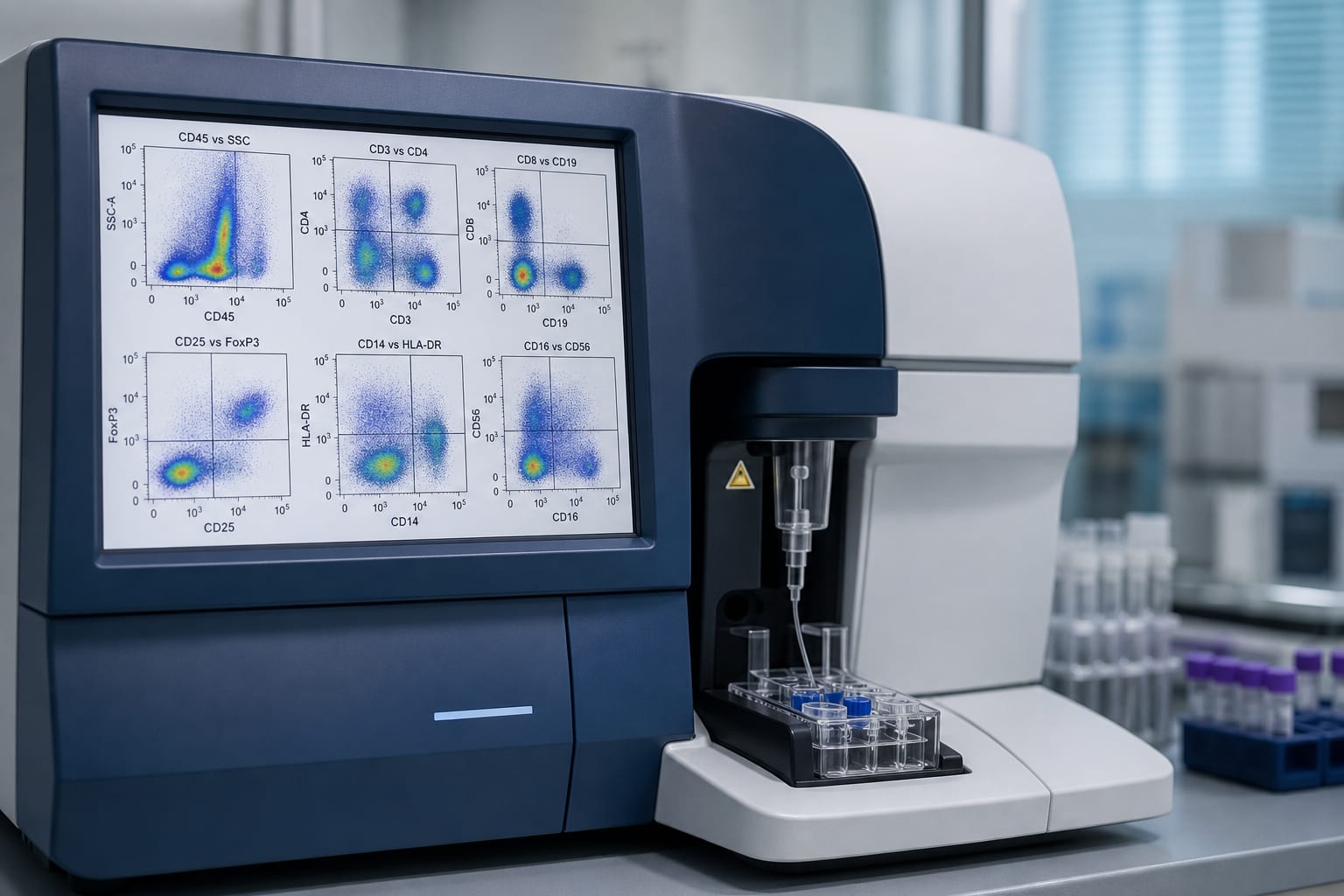
To present a case of immune checkpoint inhibitor-associated myocarditis, myositis, and myasthenia gravis overlap syndrome (IM3OS) and analyze cellular subsets involved in the disease, highlighting their potential role in disease management.
Key Findings:
Expansion of memory CD8+ T-cell populations was observed at the time of IM3OS presentation, indicating a potential target for therapeutic intervention.
A differentiated CD27- CD28- effector memory CD4+ subset was associated with clinical disease activity and contracted with glucocorticoid treatment, suggesting a link between immune response and symptomatology.
Interpretation:
The findings suggest a pathogenic role of specific immune cell subsets in IM3OS and highlight the potential of flow cytometry in understanding and managing immune-related adverse events, paving the way for tailored therapeutic approaches.
Limitations:
The study is based on a single case, limiting generalizability and necessitating further research to validate findings.
Flow cytometry results may not capture the full complexity of immune responses, indicating a need for complementary diagnostic methods.
Conclusion:
This case illustrates the successful treatment of IM3OS and the utility of flow cytometry in elucidating the underlying pathophysiology of immune-related adverse events, underscoring the importance of personalized medicine in immunotherapy.