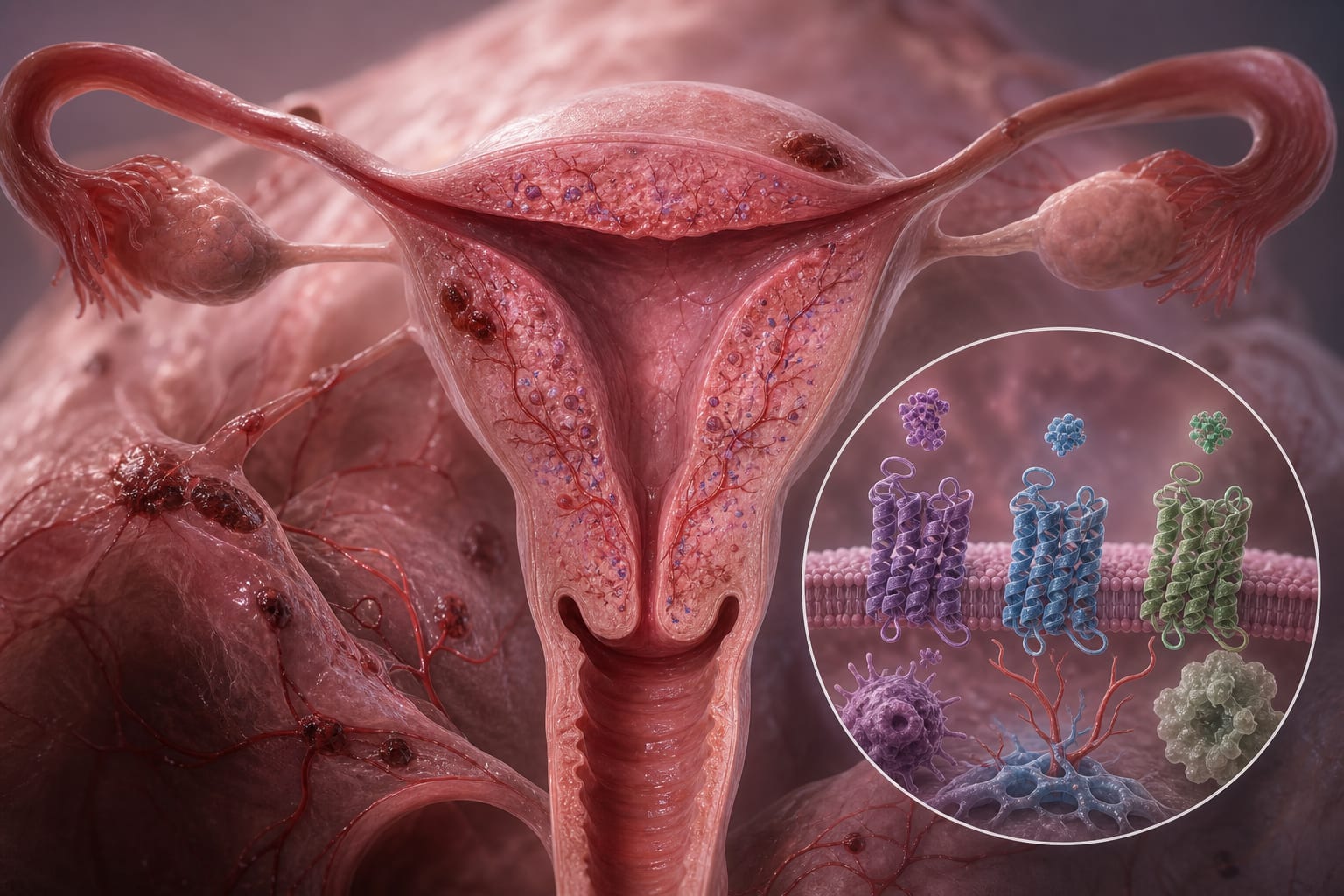
To synthesize existing evidence on how the opioid system regulates endometrial function and reproductive health in the context of endometriosis.
Approach:
Literature Search: A comprehensive literature search was conducted across PubMed, Scopus, and Web of Science, focusing on studies from the last 20 years related to the opioid system and endometriosis.
Mechanistic Approach: The review prioritized a mechanistic approach, integrating human data on endometriosis with both human and preclinical evidence on opioid signaling.
Key Findings:
Endometriosis affects 10–15% of women of reproductive age and is a leading cause of female subfertility.
The opioid system may play a role in the pathogenesis of endometriosis beyond pain management.
Ectopic lesions evade apoptosis and exploit angiogenesis, contributing to disease progression.
Immune dysregulation and hormonal imbalances are critical in the survival and implantation of ectopic tissue.
Interpretation:
The opioid system's involvement in endometriosis suggests potential non-hormonal targets for therapeutic strategies.
Limitations:
Scarcity of recent clinical studies directly linking opioid pathways to endometriosis.
Most existing research focuses on opioid analgesics rather than the endogenous opioid system.
Conclusion:
Understanding the role of the opioid system in endometriosis is essential for developing therapeutic strategies that manage chronic pain while safeguarding reproductive health.