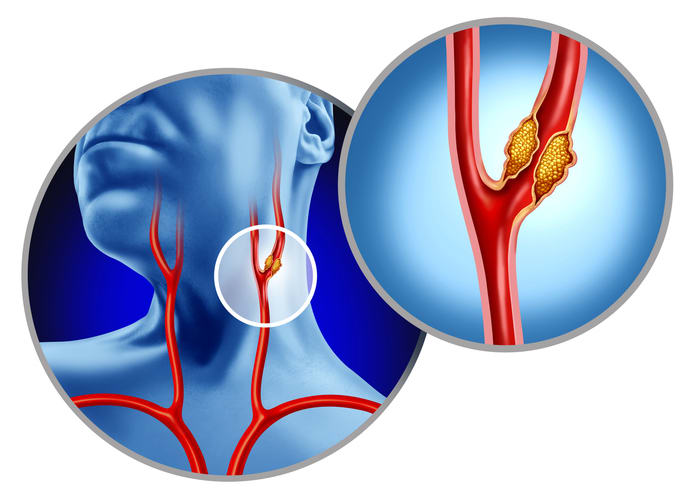
To examine ethnic differences in carotid bulb morphology between Asian and White individuals and its potential implications for atherosclerosis and ischemic stroke, particularly in understanding population-specific vascular anatomy.
Key Findings:
Significant ethnic differences in carotid bulb geometry were observed.
CB/ICA diameter was lower in Asian participants (1.57) compared to White participants (1.68; p < 0.001).
After adjustment, the difference in CB/ICA remained significant (−0.09; 95% CI -0.14 to −0.04; p < 0.001).
No significant interethnic difference in ICA diameter; carotid bulb diameter was smaller in Asian participants.
Adjusted differences were also noted for CB/CCA, ICA/CCA, and ECA/ICA.
Interpretation:
Differences in carotid bifurcation geometry between Asian and White adults may influence local hemodynamics, potentially affecting susceptibility to plaque formation and atherosclerosis.
Limitations:
Cross-sectional design limits causal inferences.
Study population may not represent all Asian and White individuals, particularly in terms of geographic and lifestyle factors.
Conclusion:
Carotid bifurcation geometry varies between Asian and White populations, which may have implications for understanding ethnic differences in atherosclerosis and stroke risk.
by Hossam Abdelmageed, Lamia Mbarek, Xuewei Xie, Yongjun Wang, Hui Li, Yang Liu, Huaguang Zheng, Robert Fleischmann, Jens P. Dreier, José Manuel Valdueza
In this procedural case review, vascular surgeon Dr. Samuel Steerman performs a right carotid endarterectomy on a woman in her 60s who experienced a stroke related to carotid artery plaque.