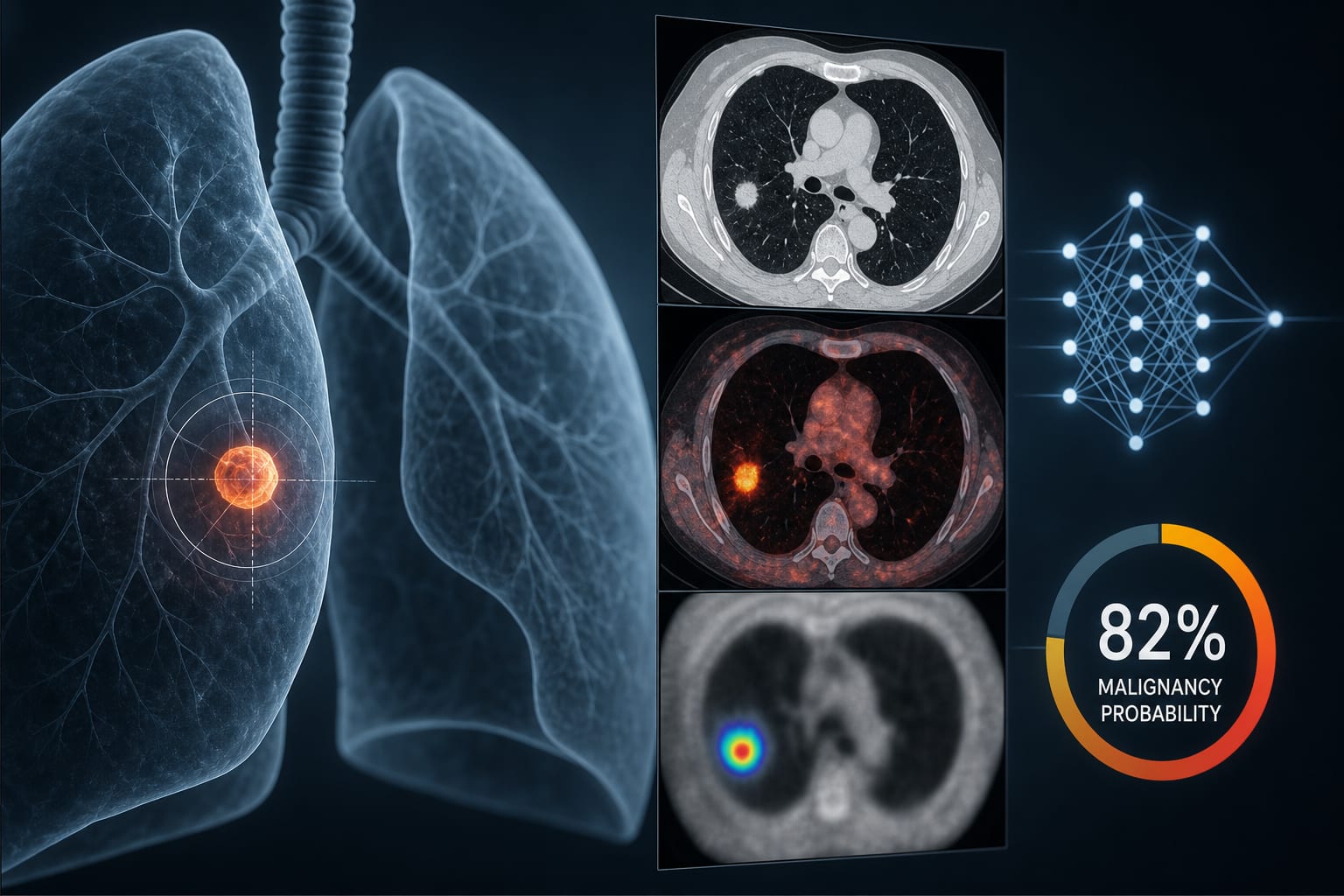
To evaluate the performance of AI models for predicting EGFR in lung adenocarcinoma, focusing on their effectiveness in diverse patient populations.
Approach:
Study Evaluation: The article discusses the study by Rakaee et al. that evaluates AI models for EGFR prediction, noting performance issues specifically in Asian patients and pleural samples.
Concerns Raised: It highlights the necessity for validation frameworks that are aware of ancestry and tissue context for AI pathology models.
Proposed Solutions: Proposals include performance reporting across ancestral groups, the creation of diverse benchmarking datasets, and ongoing monitoring after deployment.
Key Findings:
The AI model EAGLE showed significant performance degradation in Asian patients (AUC 0.68) and pleural samples (AUC 0.66).
Ancestry-associated morphologic variation and specimen context influence algorithm behavior.
The decline in performance for Asian patients persisted despite higher EGFR variant prevalence.
Interpretation:
The findings indicate a risk of exacerbating healthcare disparities if AI tools are deployed without adequate validation across diverse populations.
Limitations:
The study identifies the absence of subgroup-specific validation in existing AI models.
There is a risk of healthcare disparities if AI tools are not validated for various ancestries.
Conclusion:
Validation frameworks for AI tools in healthcare must be improved to ensure equitable benefits across diverse populations.