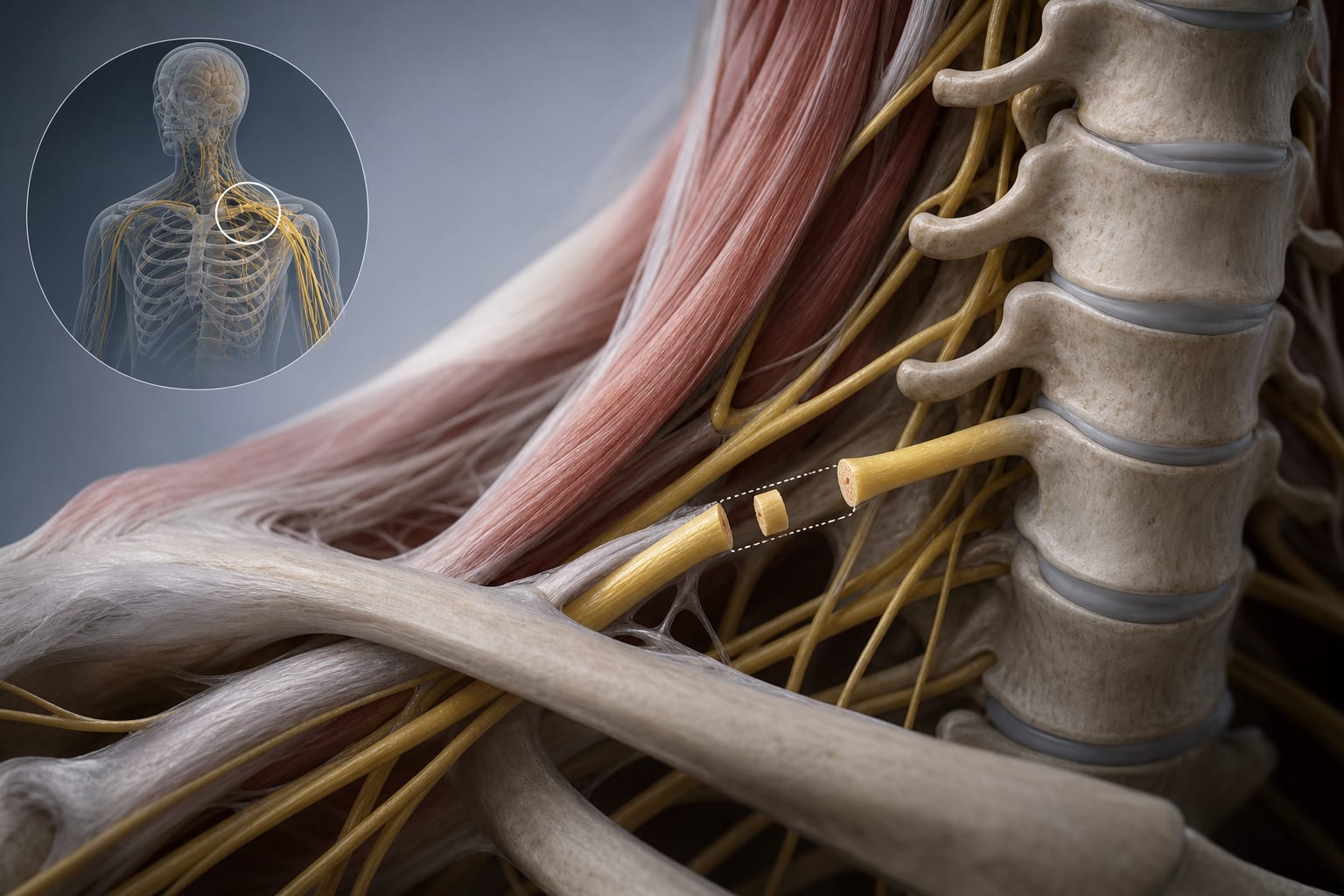
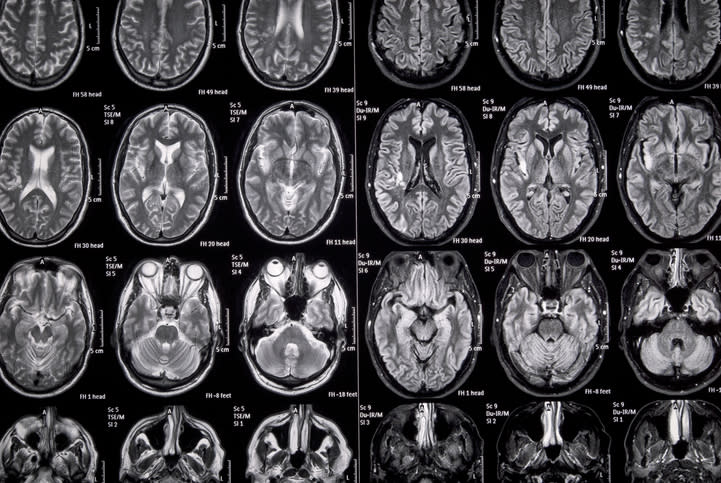
To investigate the safety and efficacy of T1 rhizotomy for managing post-stroke hand flexion spasticity, addressing a significant clinical challenge.
Approach:
Key Findings:
All procedures were completed successfully without intraoperative complications. Statistical significance was confirmed for all improvements.
Mean MAS score decreased from 3.07 to 1.20 postoperatively (p < 0.001).
Mean HFC grade improved from 1.07 to 2.73 (p < 0.001).
Mean QuickDASH score improved from 52.47 to 34.00 (p < 0.001).
Mean Barthel Index increased from 66.73 to 83.00 (p < 0.001).
Interpretation:
T1 rhizotomy appears to significantly reduce spasticity and improve hand function in patients with post-stroke hand flexion spasticity, suggesting potential for broader clinical application.
Limitations:
Small sample size of 15 patients.
Uncontrolled study design without a comparison group, which may introduce biases.
Short follow-up duration of one year.
Conclusion:
T1 rhizotomy is a promising surgical option for reducing hand flexion spasticity after stroke, warranting further studies with larger cohorts and longer follow-up.
The nurse practitioner profession claims the No. 1 spot across three categories in the U.S. News & World Report 2026 Best Jobs rankings for the third consecutive year.