How Could Democratic Control of Congress Shape U.S. Global Health Policy?
-
By
-
Jennifer Kates
-
November 10, 2026
Objective:
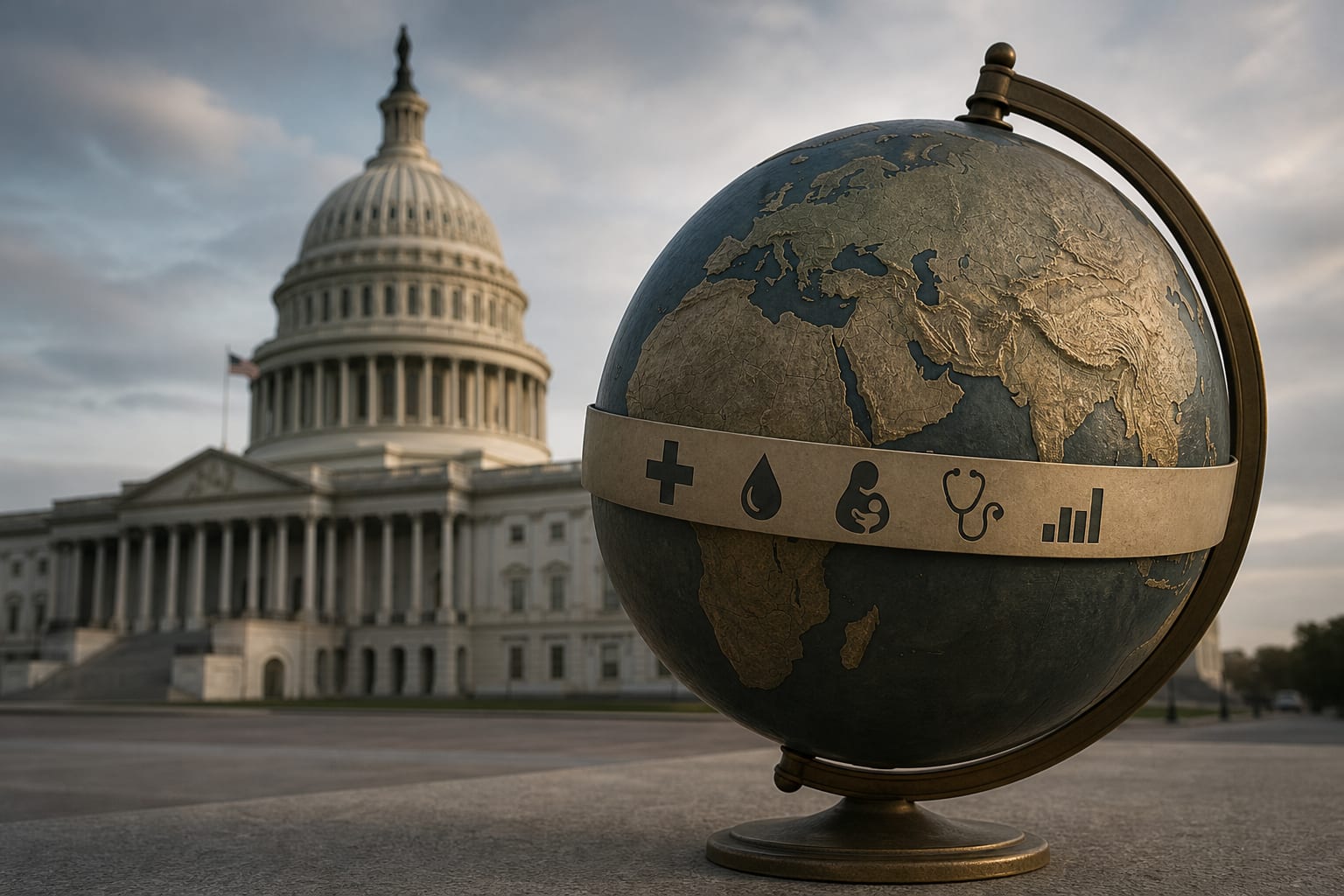
The article considers how Democratic control of Congress could affect U.S. global health policy after the Trump administration’s changes to U.S. funding and programs and the development of the America First Global Health Strategy.
Approach:
- Oversight: Democrats may intensify hearings, investigations, document requests, and demands for data on the America First Global Health Strategy, bilateral agreements, program implementation, and the consequences of USAID’s closure.
- Appropriations: Congress may use appropriations language to specify how funds must be used and resist rescissions or redirection. Legal action is possible, but whether Congress would pursue it is uncertain.
- Future policy: Democrats may continue raising questions about responsible program transitions and sustainability, PEPFAR’s future, support for vulnerable populations and countries, bilateral assistance, and pooled procurement.
Key Findings:
- Global health and foreign aid were not central election issues, although the administration’s actions aimed at ending USAID attracted substantial public attention.
- The Republican-controlled Congress generally maintained approximately level funding for global health programs, while the administration rescinded some appropriated funds and redirected others.
- Democratic control could bring more pointed oversight and an increasingly influential congressional role in shaping future U.S. global health policy.
Interpretation:
The extent of congressional influence remains uncertain. The administration is likely to continue exercising executive authority, and the future of bipartisanship—historically important to U.S. global health—also remains uncertain.
Limitations:
- The administration’s response to increased oversight is unknown; it could disregard congressional demands, intensify its current course, or seek cooperation in some areas.
- Congress cannot simply revoke the administration’s existing executive orders.
- Changes in agency leadership and the arrival of many new members could affect policy and bipartisanship.
Conclusion:
Democratic control could increase congressional oversight and influence over U.S. global health policy, but the administration’s response and the future of bipartisan cooperation remain uncertain.
Sources:
Based on findings from:
What Does Democratic Control of Congress Mean for Global Health?
Jennifer Kates. Kaiser Family Foundation, 2026.
https://www.kff.org/global-health-policy/what-does-democratic-control-of-congress-mean-for-global-health/
This content is an AI-generated, fully rewritten summary based on a published scholarly article. It does not reproduce the original text and is not a substitute for the original publication. Readers are encouraged to consult the source for full context, data, and methodology.