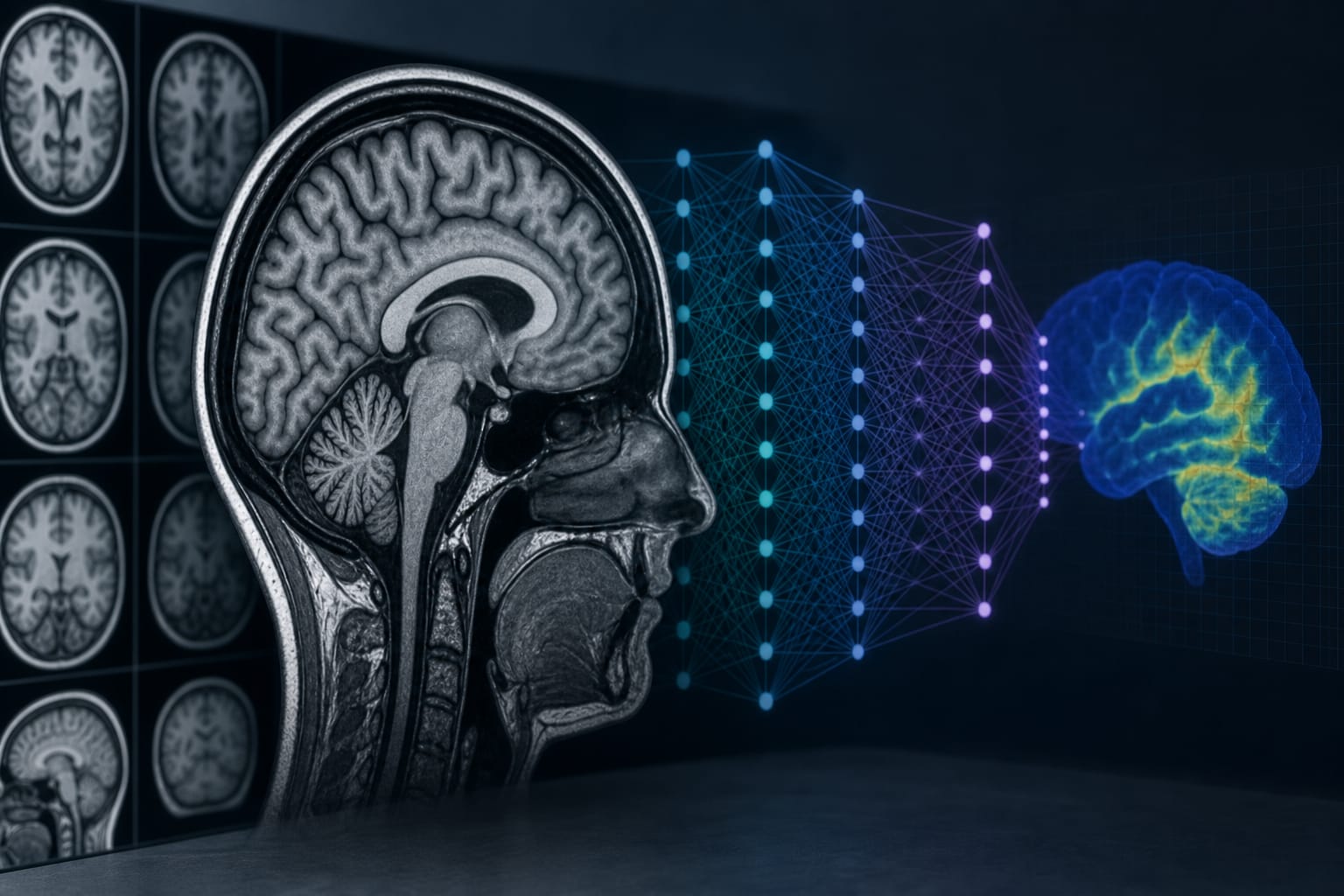
To evaluate the application of AI methodologies, specifically Machine Learning (ML) and Deep Learning (DL), in predicting schizophrenia (SZ) using medical imaging data, while addressing existing challenges such as data quality and interpretability, and to identify key biomarkers for improved diagnostic accuracy.
Key Findings:
AI methodologies show promise in enhancing the early and accurate diagnosis of SZ, with specific performance metrics indicating varying effectiveness across models.
Five unimodal and various multimodal data combinations were analyzed, highlighting the performance of different AI models.
Identification of biomarkers through neuroimaging modalities is crucial for improving diagnostic accuracy.
Interpretation:
The review underscores the potential of AI-based ML and DL methods to facilitate timely interventions for individuals affected by SZ, while also addressing challenges such as data adequacy and model interpretability in clinical contexts.
Limitations:
Challenges related to data adequacy and quality.
Issues with interpretability of AI models in clinical contexts.
Ethical considerations in the application of AI in healthcare, including patient privacy and consent.
Conclusion:
The review provides a comprehensive assessment of AI algorithms relevant to SZ prediction, emphasizing the need for further research to bridge gaps in clinical application and improve patient outcomes, particularly in addressing the challenges identified.