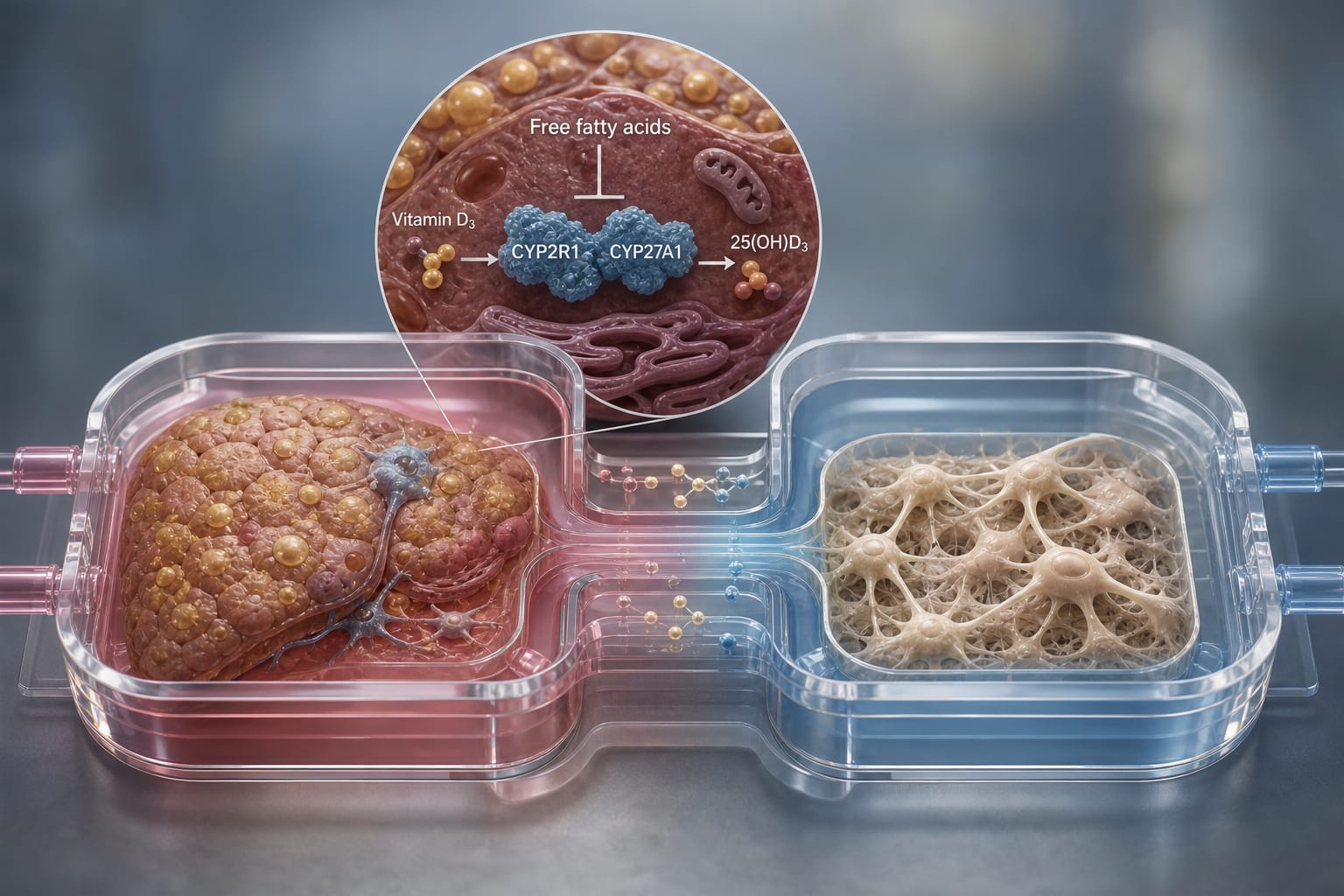
To explore how digital innovations, including AI and data analytics, can enhance the prevention, diagnosis, treatment, and epidemiological understanding of liver disorders, focusing on specific technologies and their applications.
Key Findings:
Digital hepatology is transitioning into a practical reality with significant advancements in clinical and research applications, impacting patient care.
Amalgamation of diverse data types enhances predictive capabilities and biological understanding, leading to better treatment strategies.
There is a shift towards non-invasive tools for early intervention and personalized risk assessment, improving patient outcomes.
Interpretation:
The integration of digital tools in hepatology offers promising advancements in diagnosis and treatment, but challenges in equitable implementation, such as access disparities and technology adoption, remain.
Limitations:
Ongoing inequalities in global epidemiology highlight challenges in equitable access to digital health innovations, particularly in low-resource settings.
Need for external validation and practical incorporation of new technologies into clinical practice, ensuring they meet diverse patient needs.
Conclusion:
Digital innovations in hepatology are reshaping the landscape of liver disease management, emphasizing the need for continued research and equitable application across diverse populations.