Cholesterol precursors can be photolyzed by UVB, reducing cholesterol synthesis and generating vitamin D3 and its derivatives.
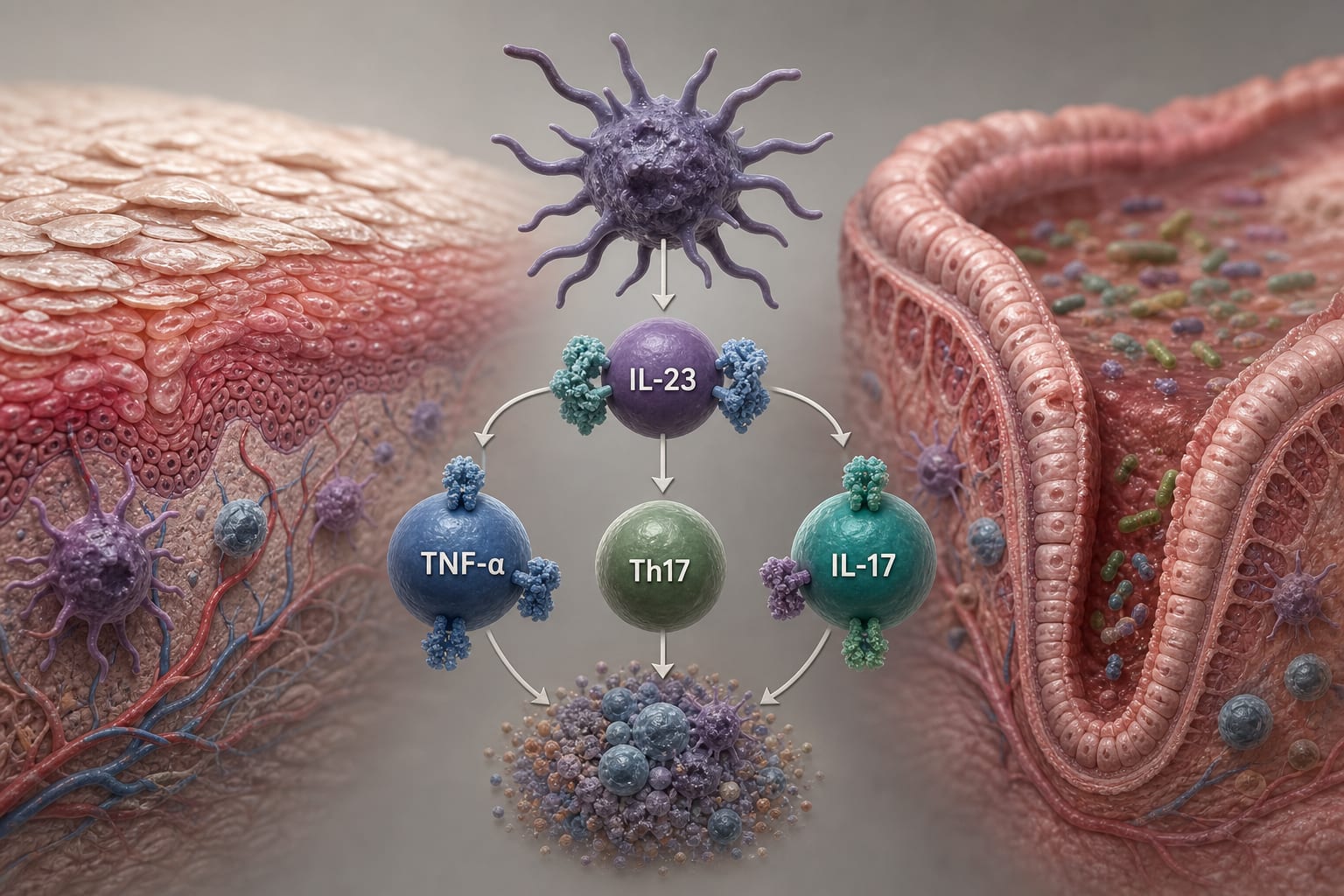
Vitamin D derivatives may act as inverse agonists of ROR-gamma, inhibiting IL-17 signaling.
Interpretation:
UVB phototherapy may exert anti-inflammatory effects through multiple mechanisms, including modulation of cholesterol metabolism and activation of the vitamin D receptor.
Limitations:
Clinical validation of proposed mechanisms remains limited.
The role of lumisterol and tachysterol derivatives in ROR-gamma signaling requires further study.
The contribution of the Bloch pathway to cholesterol synthesis in human skin is not fully defined.
Conclusion:
The findings suggest a need to reassess disease biology and the mechanisms of therapies like UVB phototherapy, potentially leading to new therapeutic approaches for psoriasis.