Identification and validation of STEAP3 as a ferroptosis-related biomarker in heart failure
-
By
-
Huijuan Chen
-
Lingqi Xu
-
June 1, 2026
-
Objective:
To identify specific aging-related programmed cell death (PCD) signatures in heart failure (HF) and explore their potential as biomarkers.
Key Findings:
- Ferroptosis, autophagy, and necroptosis were strongly correlated with aging in HF.
- Eighteen differentially expressed aging-related PCD genes were identified.
- The LASSO model demonstrated the best diagnostic performance.
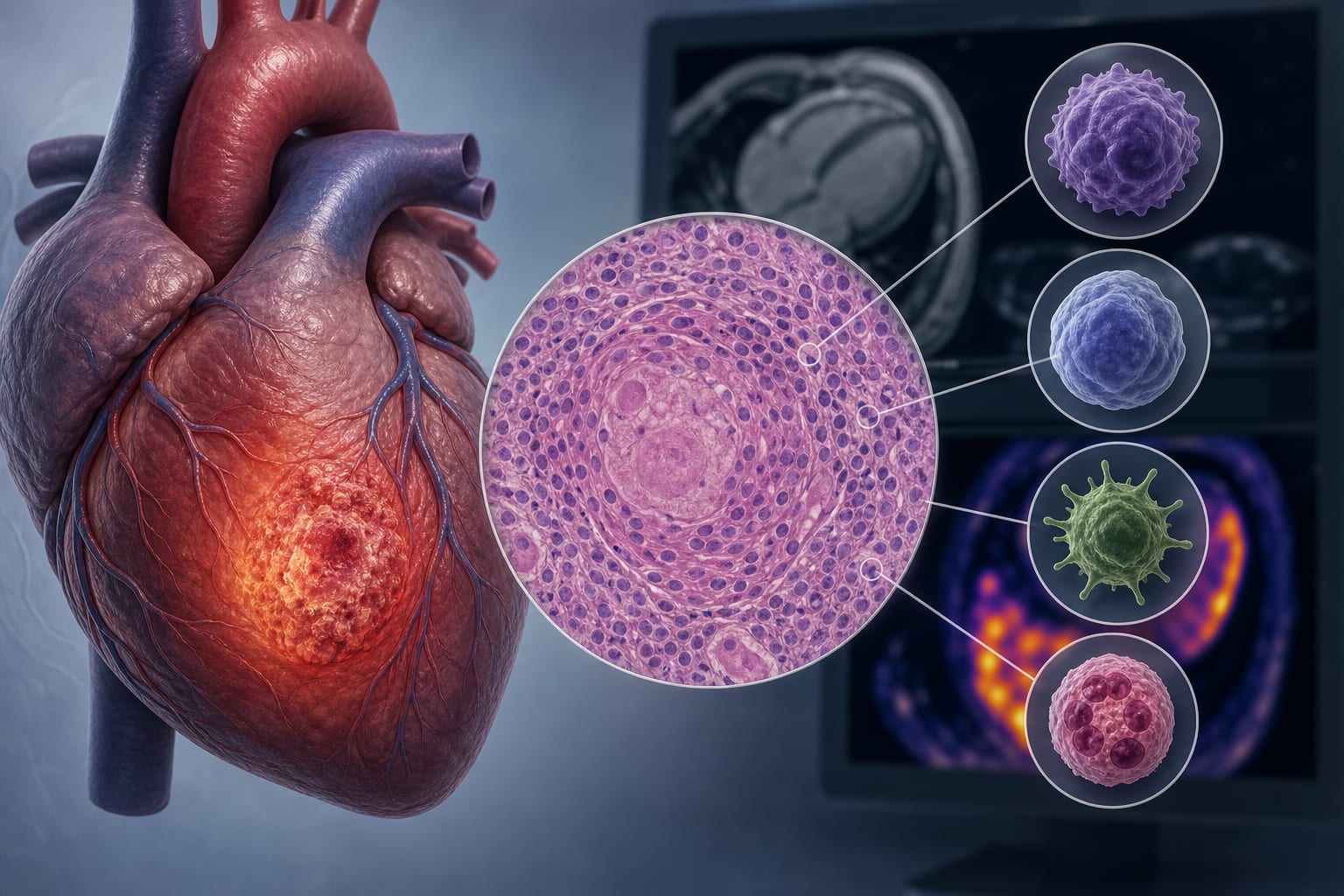
- Significant differences in the immune microenvironment were observed between high and low aging-PCD index groups.
- A regulatory network of 15 key genes and 19 transcription factors was constructed.
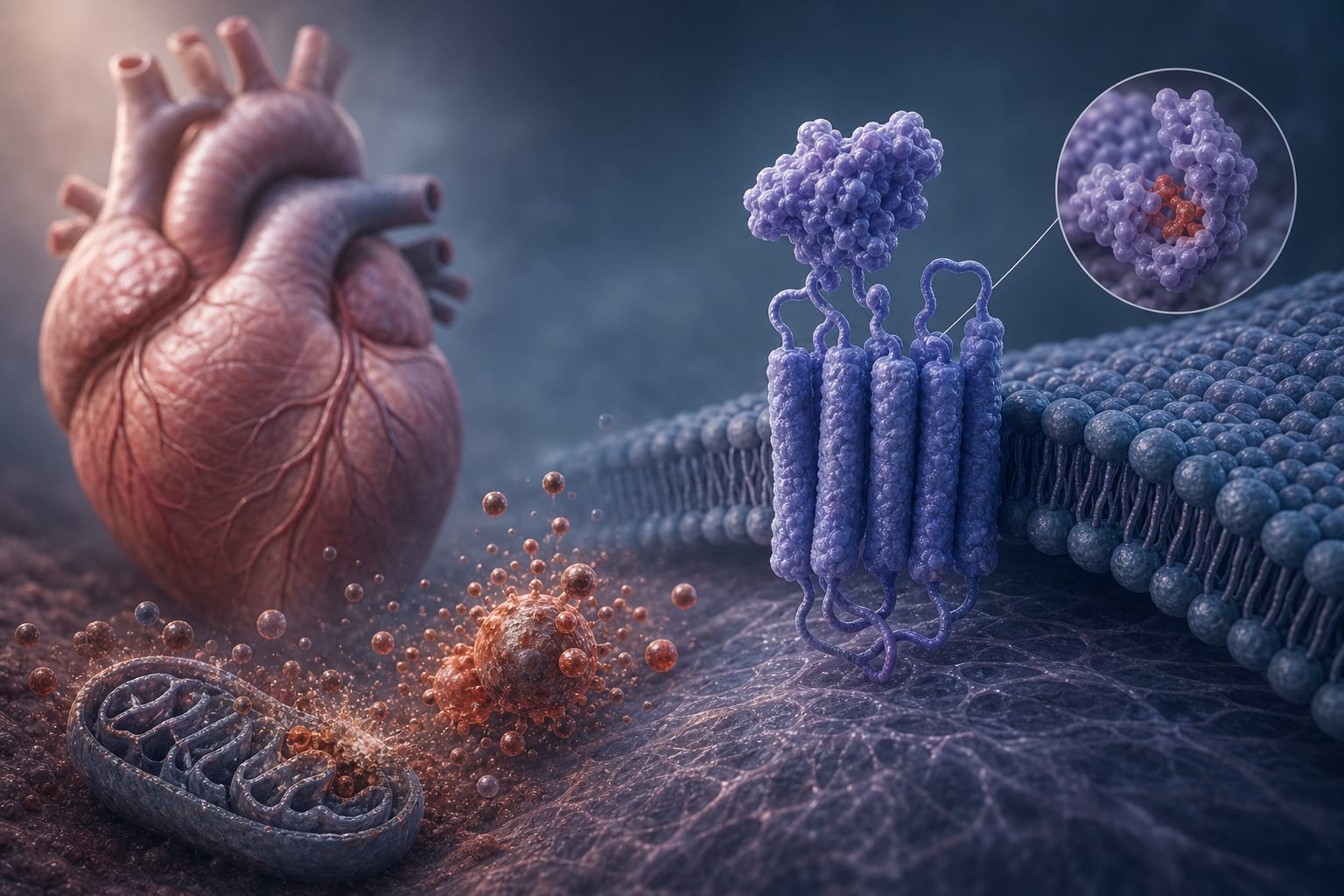
- STEAP3 may participate in ferroptosis-related injury in cardiomyocytes through glutathione metabolism and iron homeostasis.
Interpretation:
The study identifies aging-related PCD signatures in HF, suggesting potential biomarkers for clinical validation.
Limitations:
- The study was limited to a small sample size of 22 participants, which may affect the generalizability of the findings.
- The training and validation datasets were analyzed independently without batch effect correction.
Conclusion:
Aging-related PCD signatures in HF may provide candidate biomarkers for further clinical validation.