To examine the ultrasound anatomy of the sciatic, posterior tibial, and obturator nerves for peripheral nerve stimulation (PNS) applications, highlighting the critical role of ultrasound in enhancing PNS techniques.
Key Findings:
The sciatic nerve bifurcates into tibial and common peroneal nerves near the popliteal fossa, which is crucial for understanding PNS targeting.
The posterior tibial nerve is essential for ankle and toe movements and can be targeted for PNS using various techniques, indicating its clinical significance.
No established ultrasound-guided PNS techniques were found for the obturator nerve, highlighting a gap in current practices.
Interpretation:
Understanding the ultrasound anatomy of these nerves is essential for effective PNS application, especially as techniques evolve, which may lead to improved patient outcomes.
Limitations:
Lack of published techniques for ultrasound-guided PNS of the obturator nerve, which may limit treatment options.
Exclusion of non-ultrasound-guided techniques may limit comprehensive understanding and applicability in diverse clinical scenarios.
Conclusion:
Enhanced knowledge of ultrasound anatomy is vital for optimizing PNS techniques in clinical practice, and further research is needed, particularly regarding the obturator nerve.
The nurse practitioner profession claims the No. 1 spot across three categories in the U.S. News & World Report 2026 Best Jobs rankings for the third consecutive year.
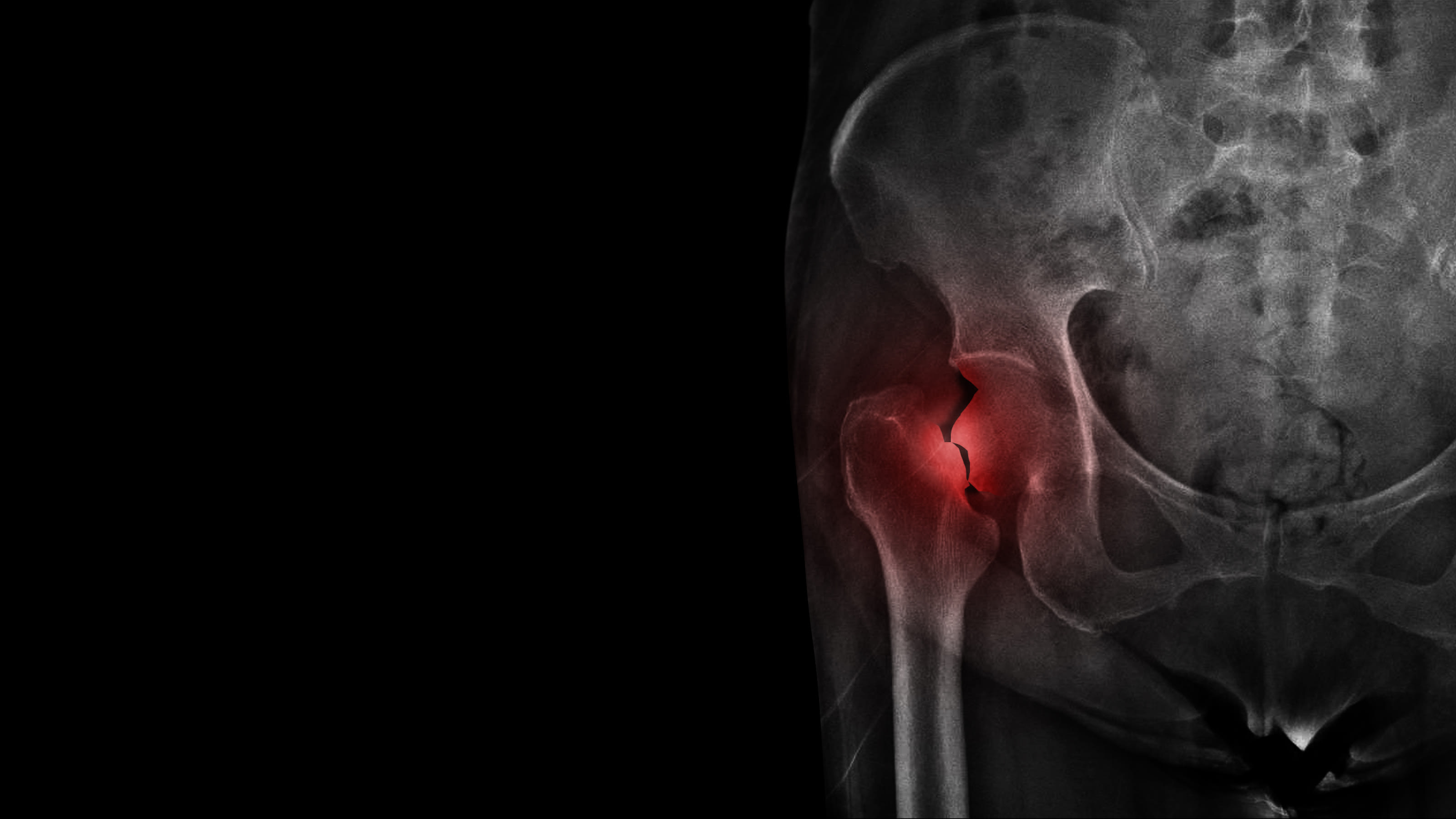
Researchers examined how variation in time to hip fracture surgery relates to mortality, complications, length of stay, and functional recovery in older adults.