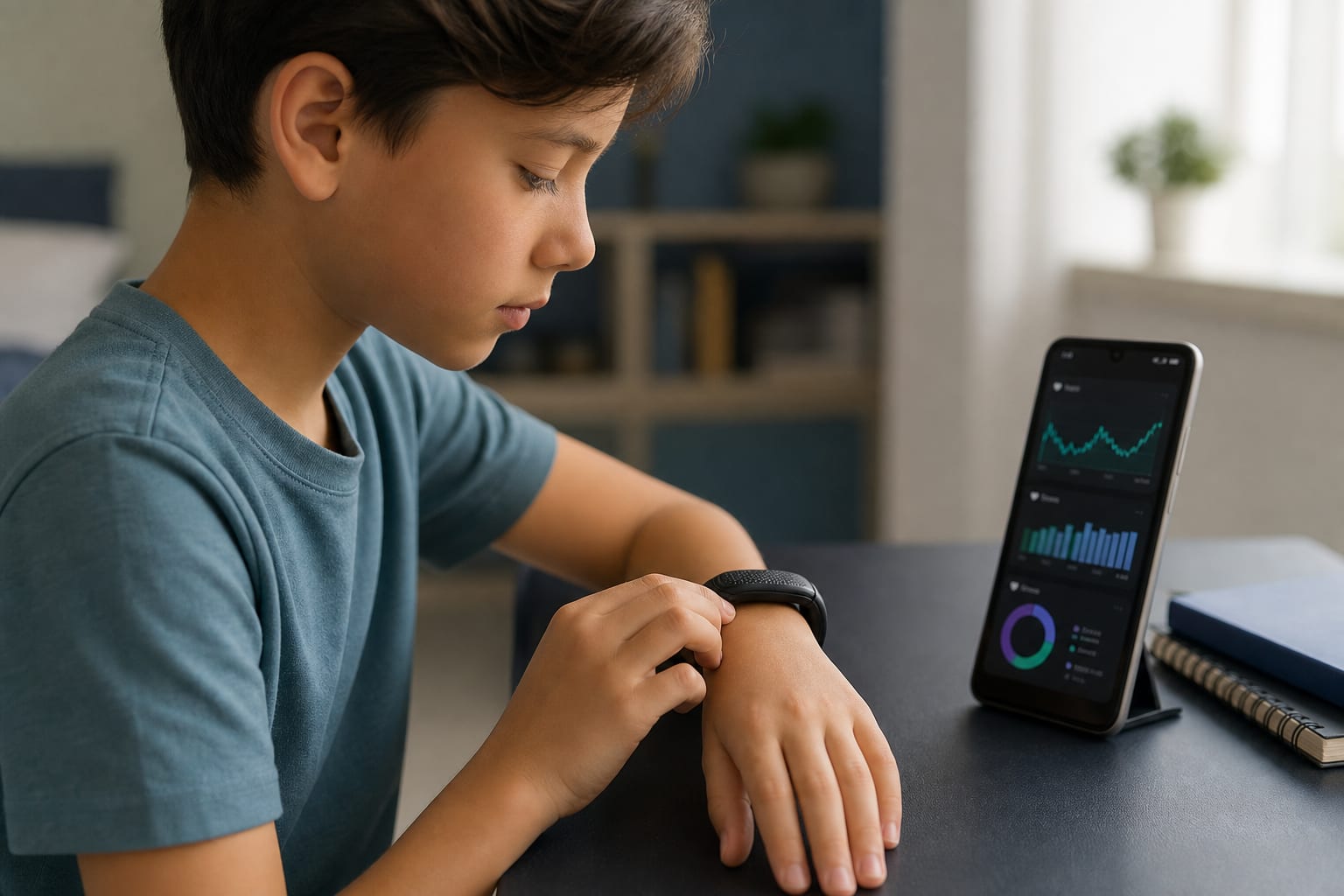
To synthesize evidence on non-invasive technologies for pediatric stress detection, monitoring, and mitigation, focusing on mobile, wearable, and ubiquitous health applications.
Approach:
Methodology: A scoping review was conducted following PRISMA-ScR guidelines, searching four bibliographic databases for peer-reviewed studies published from January 2013 to April 2026.
Key Findings:
Thirty-four studies were included, with a primary focus on wearable and mobile sensing approaches.
Stress induction and assessment methods varied widely, often using task-based or situational stressors.
Younger children were more frequently represented than adolescents, with limited studies on developmentally diverse populations.
A smaller subset of studies examined mitigation strategies such as biofeedback and serious games.
Ethical, privacy, and implementation issues were acknowledged but not systematically addressed.
Interpretation:
The field of non-invasive technologies for pediatric stress management is methodologically fragmented.
Limitations:
Lack of standardized pediatric stress protocols.
Limited diversity and transparency in datasets.
Insufficient longitudinal evaluations in real-world settings.
Ethical and privacy considerations need strengthening.
Conclusion:
The review highlights the need for developing age-appropriate protocols and addressing methodological gaps in non-invasive stress technologies for pediatric care.