Posterior fossa ependymoma: a comprehensive review of molecular classification, management guidelines, and clinical outcomes (Part I of ependymomas across compartments) - Summary - MDSpire
Conexiant’s news site is now MDSpire News. Learn more
Advertisement
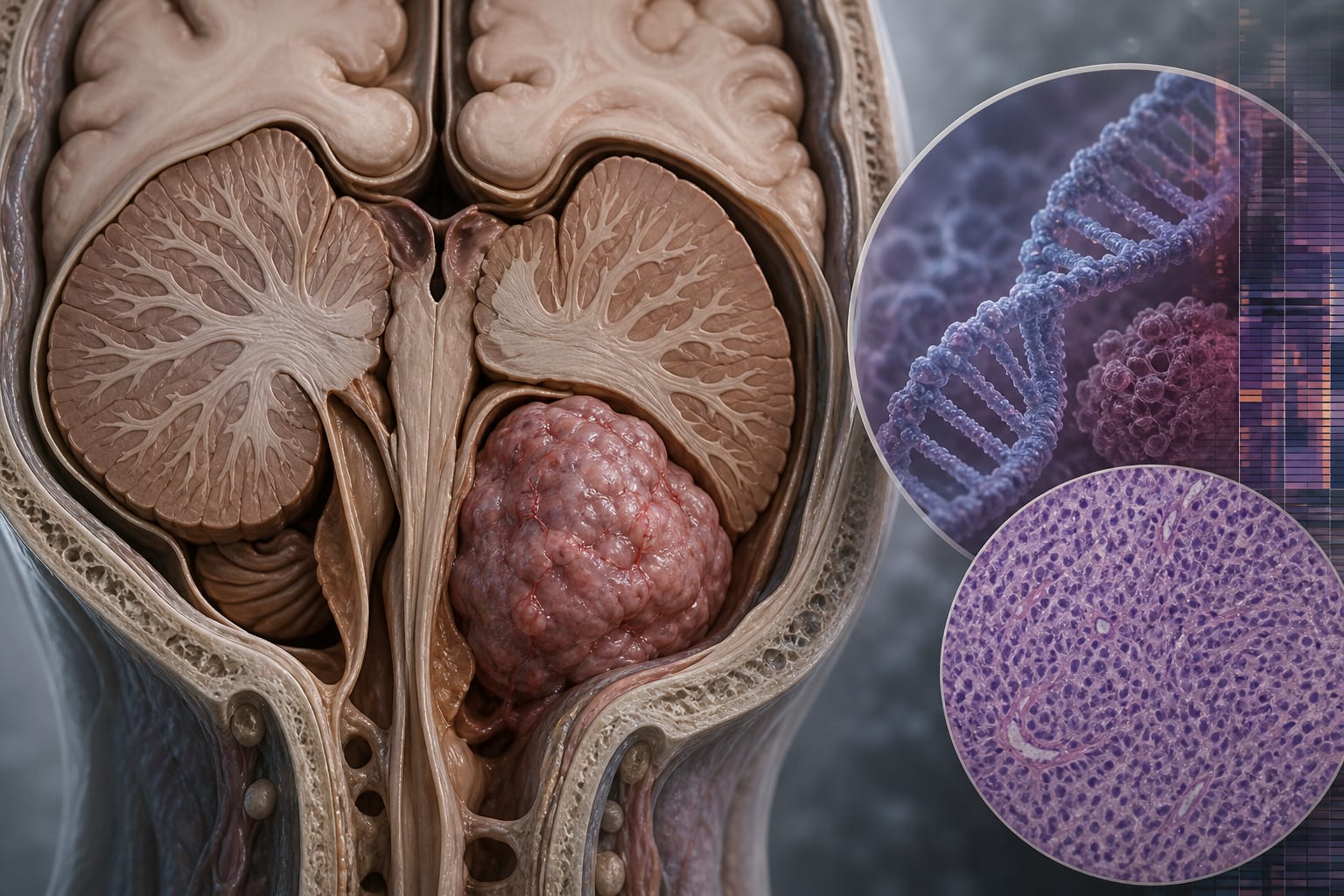
Ependymomas in the Posterior Fossa: An In-Depth Analysis of Molecular Classification, Treatment Protocols, and Clinical Outcomes (Part I on Ependymomas in Various Locations)
To synthesize current evidence regarding the biology, imaging, management, recurrence, and molecular stratification of posterior fossa ependymomas (PFE).
Approach:
Surgical Management: Surgical treatment is central to PFE management, with gross total resection (GTR) being the primary goal to improve patient outcomes.
Key Findings:
PFA tumors are linked to poorer clinical outcomes and are more common in younger children.
PFB tumors generally present in adolescents and adults and have a less aggressive clinical course.
Molecular subgrouping influences disease management and prognostic information.
GTR is associated with improved survival outcomes compared to subtotal resection (STR).
Interpretation:
Molecular classification provides critical insights into the biological behavior of posterior fossa ependymomas, influencing treatment strategies and clinical outcomes.
Limitations:
The review does not provide comprehensive data on all treatment protocols for PFE.
Individual patient factors influencing outcomes are not fully addressed.
Conclusion:
Molecular stratification is essential for understanding prognosis and tailoring management strategies for posterior fossa ependymomas.