To assess the efficacy of adductor tenotomy in patients with chronic postoperative inguinal pain (CPIP) due to adductor tendinopathy.
Approach:
Study Design: Retrospective cohort study conducted at Máxima Medical Centre, Netherlands, evaluating patients with CPIP who underwent adductor tenotomy.
Patient Selection: Eligible patients were adults with a history of inguinal hernia repair and CPIP, showing clinical signs of adductor tendinopathy.
Data Collection: Demographic and operative data were extracted from electronic health records, including follow-up duration and patient satisfaction.
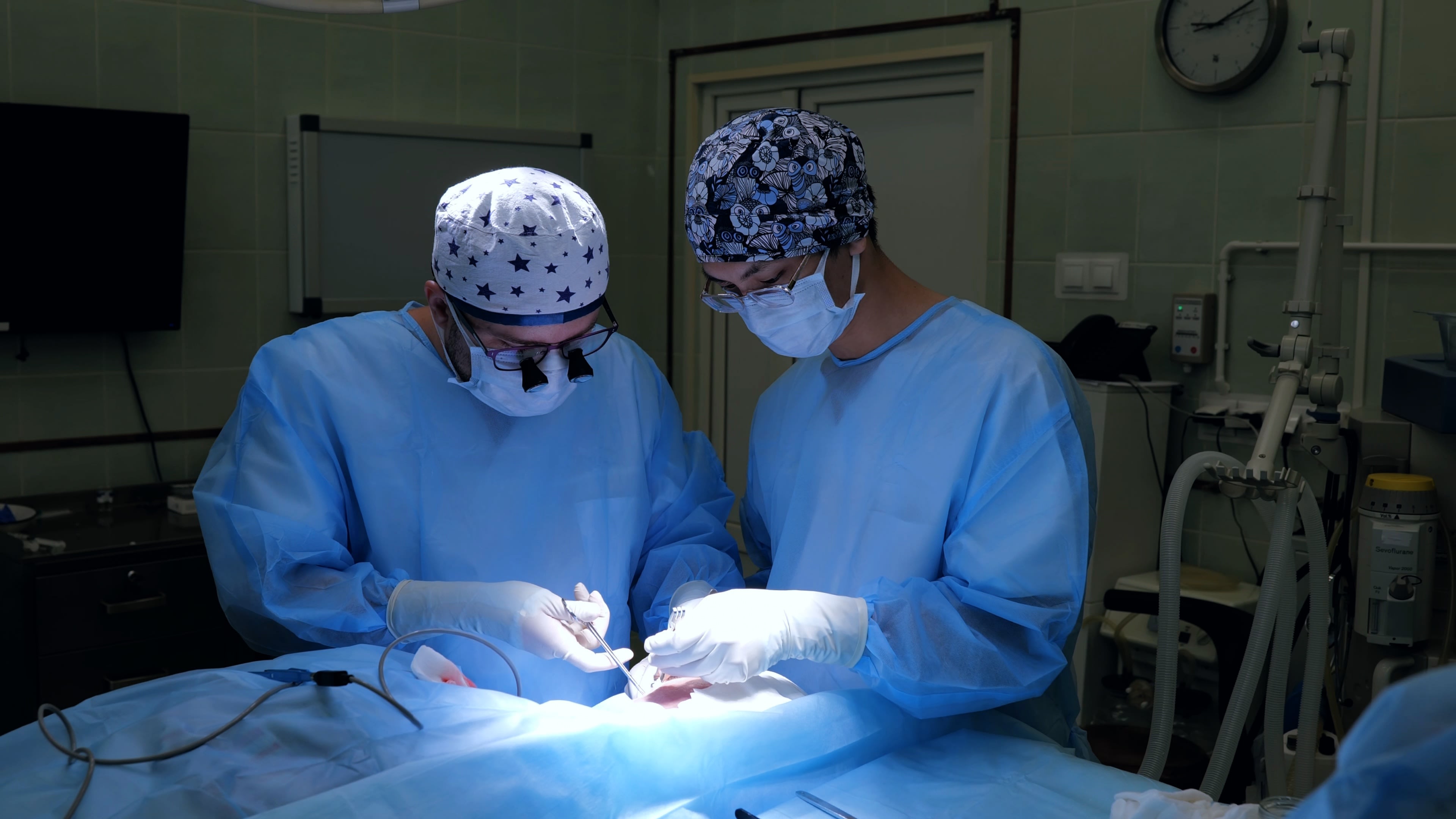
Surgical Procedure: Adductor tenotomy was performed as a day-case procedure under general anaesthesia, with preoperative counselling provided.
Key Findings:
Chronic postoperative inguinal pain affects 10-12% of patients after hernia repair.
Adductor tendinopathy may contribute to persistent pain in CPIP patients.
Adductor tenotomy is considered when conservative treatments fail.
Limitations:
The study is retrospective and may be subject to selection bias.
No standardized imaging protocols were used for diagnosis.
Conclusion:
The study evaluates a surgical intervention for a specific pain condition, contributing to the understanding of treatment options for CPIP.
Facial nerve disorders impact approximately 30 out of 100,000 adults in the U.S. annually. Common causes of damage to the facial nerve and subsequent facial paralysis include Bell’s palsy, cancerous tumors, acoustic neuromas and iatrogenic complications.