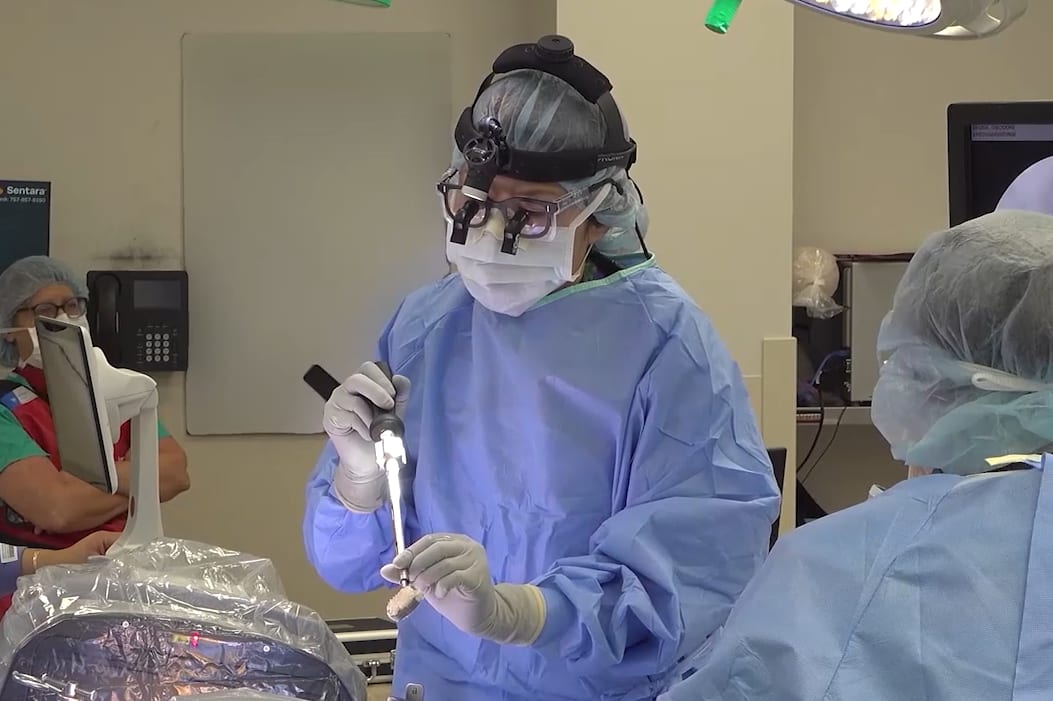
To describe the surgical management of basilar apex artery aneurysms (BAA) and the specific techniques used for clipping.
Key Findings:
Preoperative imaging is crucial for understanding aneurysm characteristics and surrounding vascular structures.
Different anatomical zones dictate the optimal surgical approach for BAA aneurysms, impacting surgical outcomes.
Intraoperative neuromonitoring and CSF drainage are important for minimizing complications.
Interpretation:
The surgical management of BAA aneurysms requires a thorough understanding of their anatomy and careful planning to minimize risks and improve outcomes.
Limitations:
The article does not provide specific outcomes or complication rates associated with the described techniques, which limits the ability to assess their effectiveness.
Variability in anatomical presentations may complicate standardization of approaches, potentially affecting surgical success.
Conclusion:
Clipping of BAA aneurysms can be effectively performed with careful preoperative planning and consideration of anatomical variations.
In this procedural case review, vascular surgeon Dr. Samuel Steerman and neurosurgeon Dr. Shannon Clark collaborate to perform an anterior lumbar interbody fusion (ALIF).