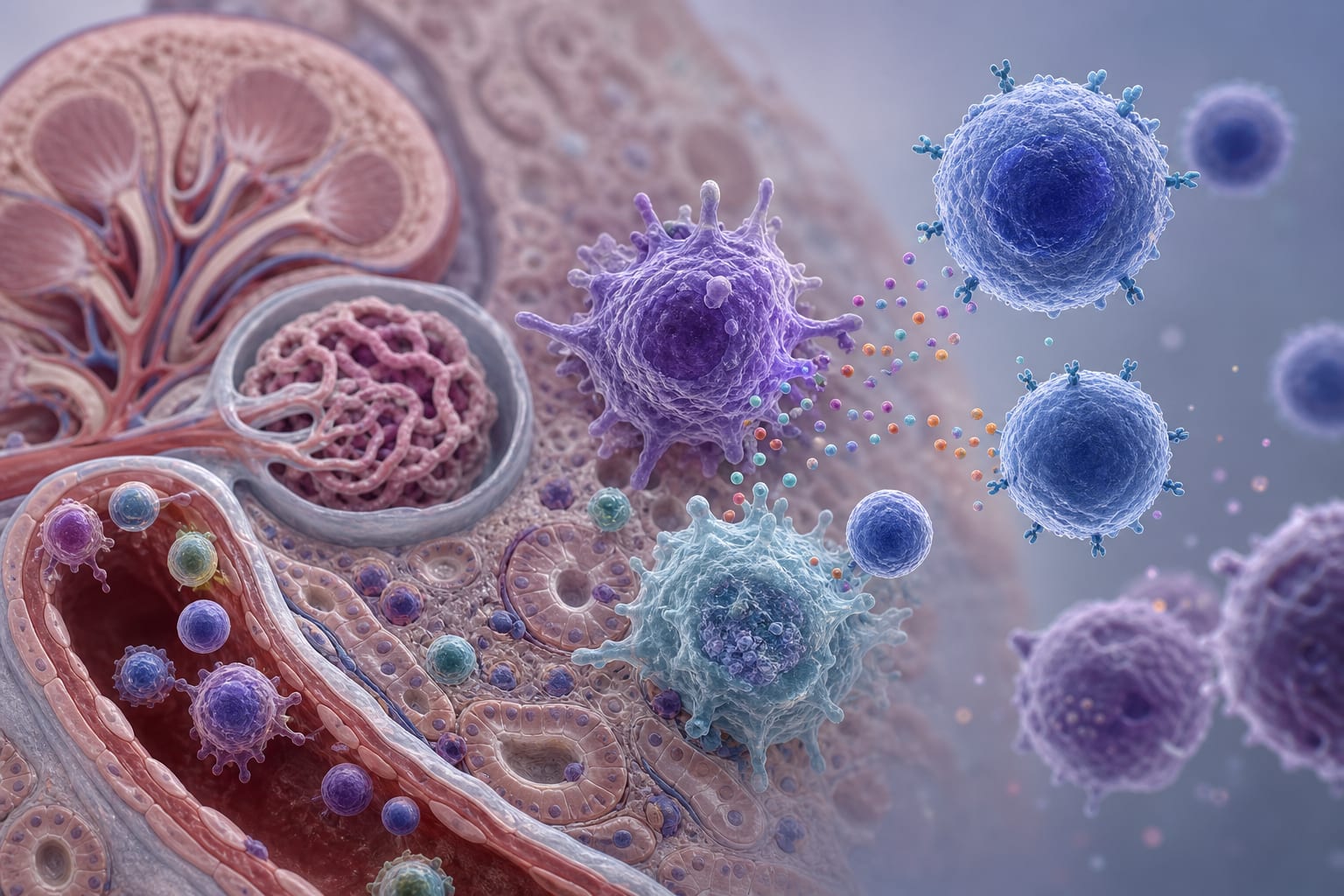
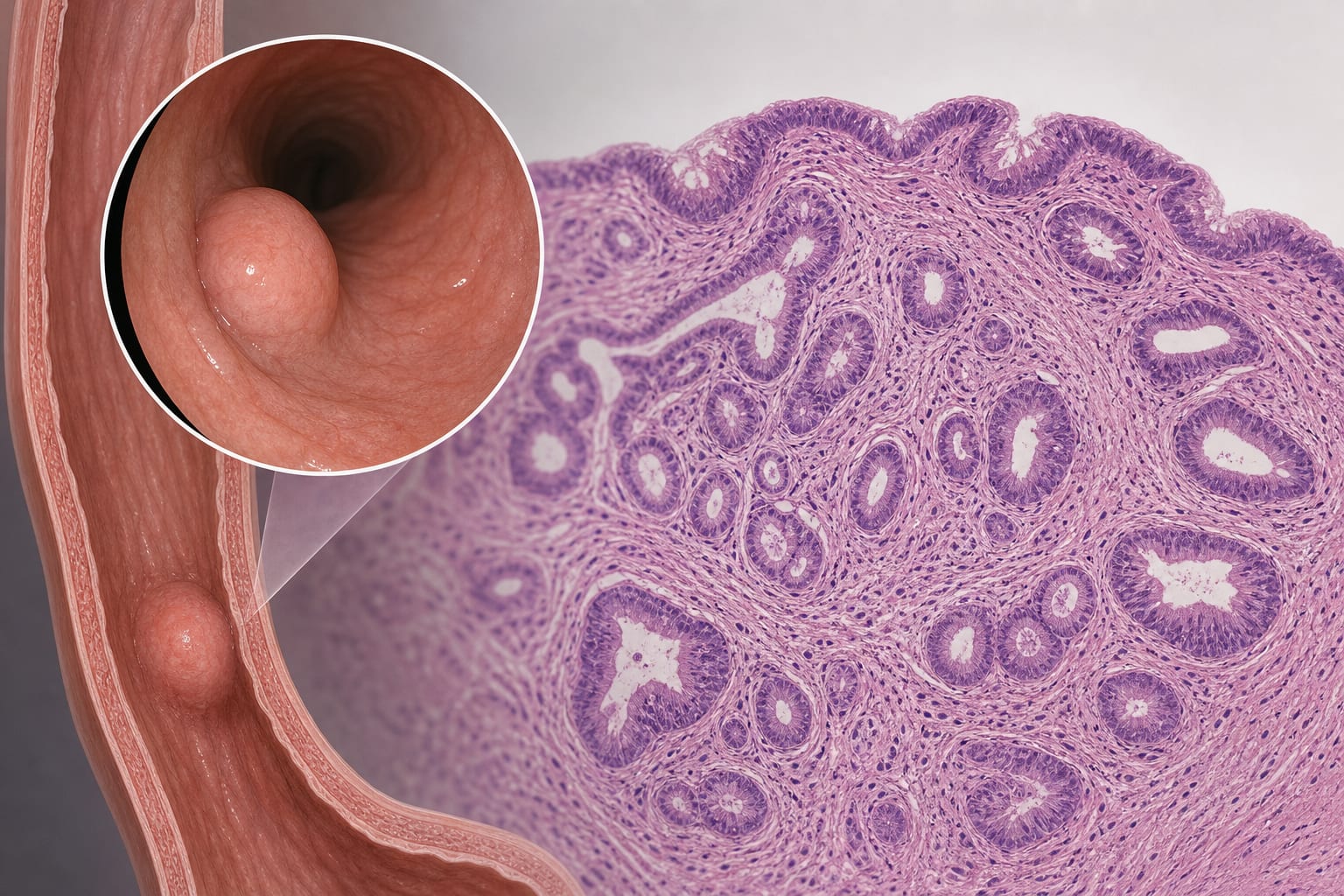
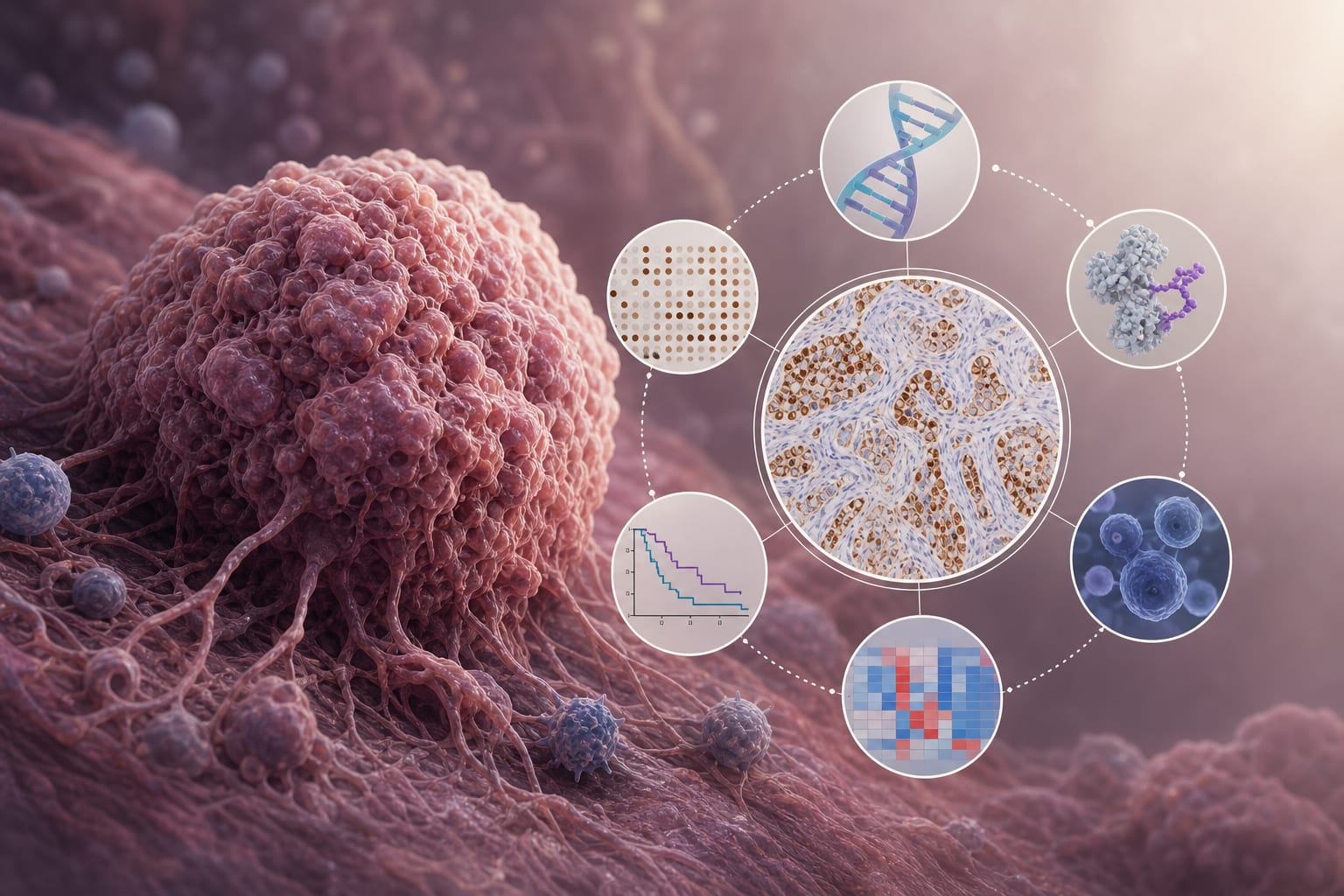
To understand the cellular and molecular mechanisms underlying T cell–mediated rejection (TCMR) in kidney transplants, with a focus on developing diagnostic and therapeutic strategies.
Approach:
Data Integration: Integrated two public single-cell RNA sequencing datasets (GSE145927 and E-MTAB-12051) to construct a comprehensive single-cell atlas of kidney allograft biopsies.
Analytical Techniques: Performed unsupervised clustering, functional scoring, trajectory inference, gene regulatory network analysis, and cell–cell communication analysis.
Validation: Validated key findings in a murine TCMR model.
Key Findings:
Several cell populations associated with TCMR were enriched in the analyzed sample.
An NQO1+NDUFS4+ proximal tubular subset exhibited activation of oxidative phosphorylation and fatty acid metabolism.
An S100A8+ macrophage subset displayed a pro-inflammatory phenotype and recruited CD8+ T and NKT cells.
A CCL4L2+ NKT subset exacerbated rejection by enhancing immune recruitment and cytotoxic functions.
A DUSP1+ effector CD8+ T subset was enriched in TCMR and showed robust T cell receptor activation.
Interpretation:
Innate immune cells may initiate and amplify adaptive responses through chemokine and inflammatory networks.
Limitations:
The study is based on a single TCMR case, which limits the generalizability of the findings.
Further investigation is needed to validate findings across larger cohorts.
Conclusion:
The study provides a single-cell atlas of the TCMR immune microenvironment and identifies potential subsets and pathways for further investigation.