Tracking Retinal Health With Wearable Technology - Summary - MDSpire
Advertisement
Tracking Retinal Health With Wearable Technology
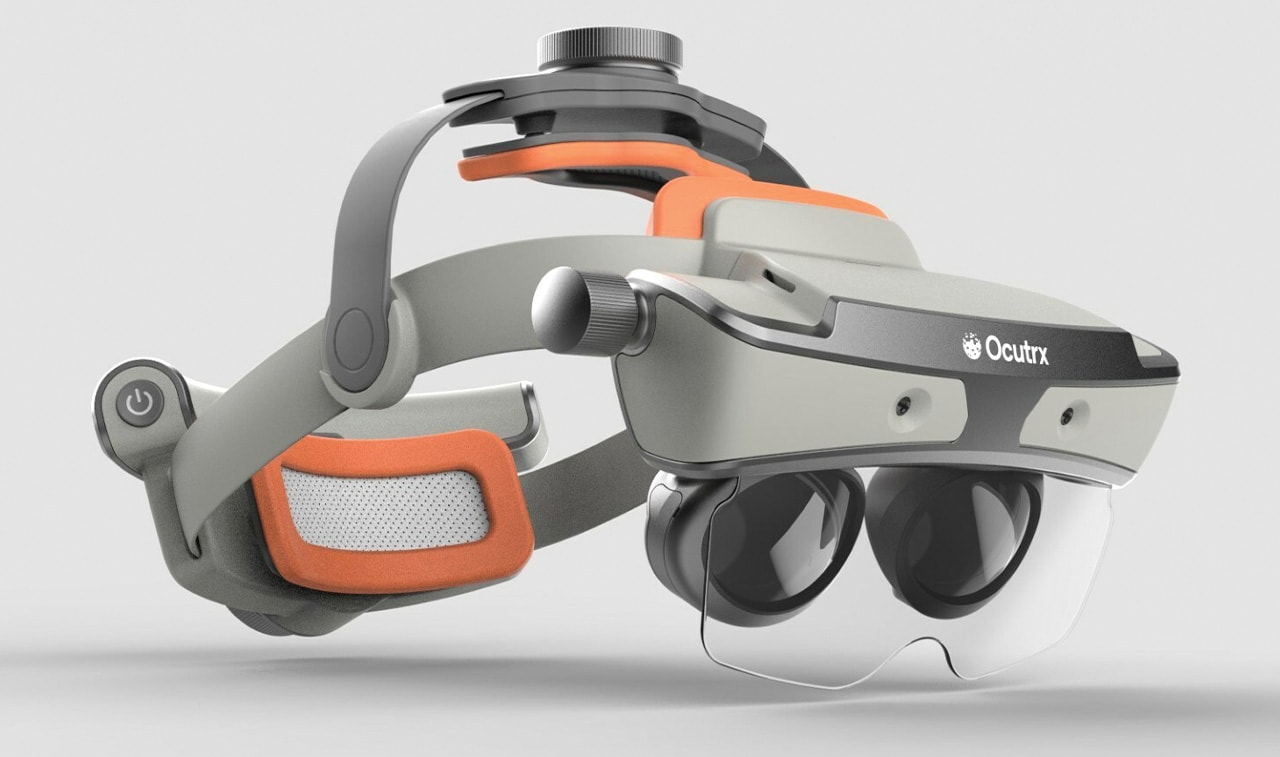
The use of wearable devices for health monitoring has attracted significant interest from patients, physicians, and other healthcare professionals because of their potential to usher in a new era of personalized, accessible, and convenient care. This article explores the use of wearable technology for monitoring retinal health, both through direct assessment of ocular parameters—such as visual field testing and imaging—and through systemic monitoring of surrogate markers of retinal health.
To explore the use of wearable technology for monitoring retinal health through direct ocular assessments and systemic markers, emphasizing the significance of both aspects.
Approach:
Key Findings:
Wearable technology can enhance accessibility and convenience in monitoring retinal health, potentially leading to earlier interventions.
VR-based perimetry offers cost-effective visual field testing but faces technical challenges that need addressing.
Augmented reality devices like OcuLenz can assist patients with central scotomas, improving their daily functioning.
Wearable OCT devices could improve screening for ocular and systemic diseases, enhancing overall patient care.
Interpretation:
Wearable technologies represent a promising advancement in the monitoring and management of retinal health, potentially leading to more personalized and accessible care, which could transform patient experiences.
Limitations:
VR-based perimetry lacks standardization and has technical limitations, which ongoing research aims to address.
Wearable imaging technologies are still in early development stages, with potential for future enhancements.
Patient unfamiliarity with devices may hinder initial use, but education and training could mitigate this issue.
Conclusion:
The integration of wearable technology in retinal health monitoring could revolutionize patient care, though further advancements and standardization are needed to fully realize their potential.
Researchers found that patients with higher waist circumference and lower grip strength had the greatest risk for developing type 2 diabetes during long-term follow-up.
In a 76-week randomized trial, patients with obesity without diabetes who received survodutide achieved greater weight loss and favorable changes in several metabolic measures compared with those who received placebo.