Immunoadsorption and subsequent immunoglobulin G replacement (IA/IG) in patients with dilated cardiomyopathy: a systematic review and meta-analysis - Summary - MDSpire
Advertisement
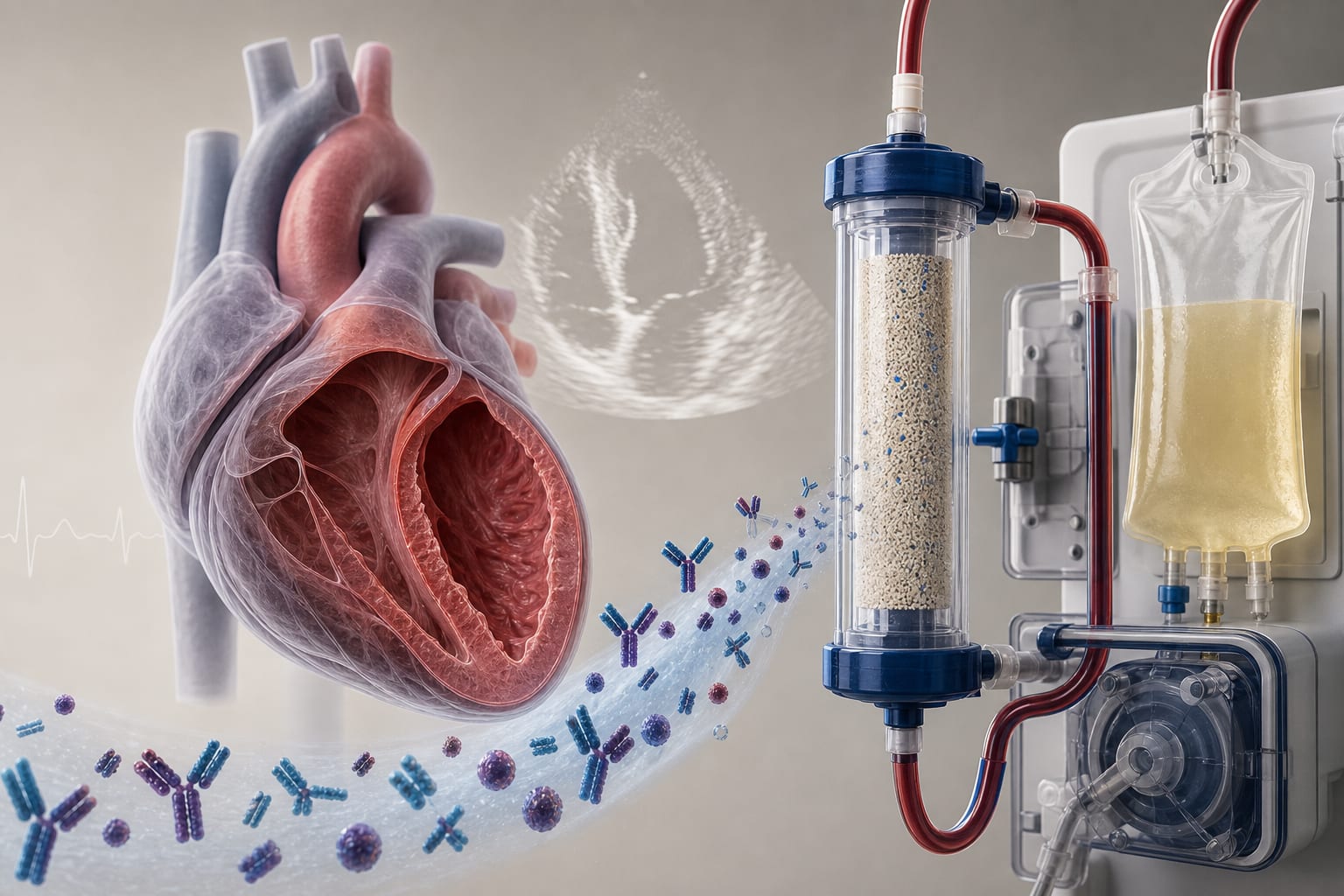
Immunoadsorption and subsequent immunoglobulin G replacement (IA/IG) in patients with dilated cardiomyopathy: a systematic review and meta-analysis
To systematically evaluate the efficacy and safety of immunoadsorption combined with immunoglobulin G replacement therapy (IA/IG) in treating dilated cardiomyopathy (DCM).
Approach:
Key Findings:
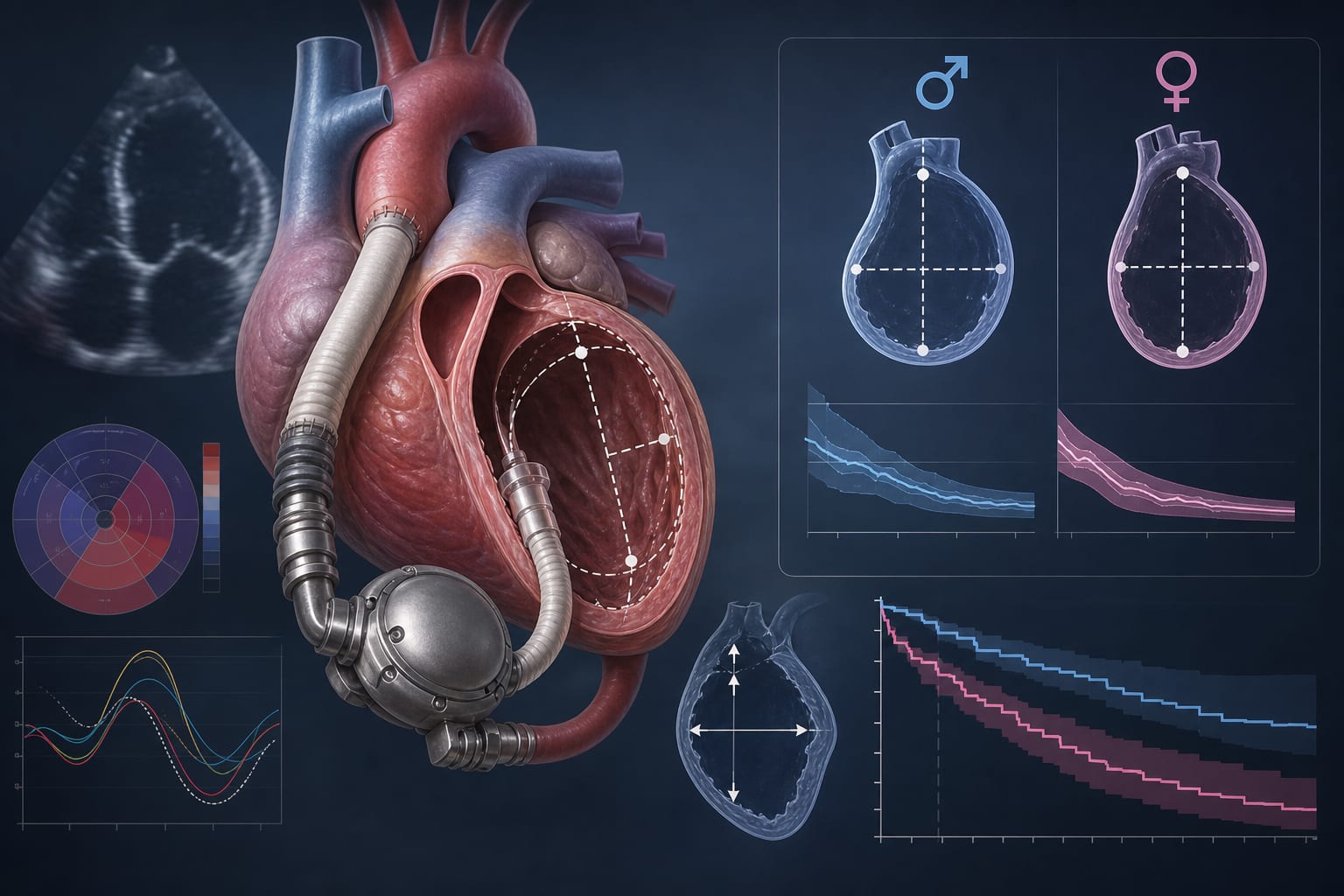
IA/IG therapy significantly improved left ventricular ejection fraction (LVEF) by 7.71% (95% CI: 6.18–9.24, p < 0.00001).
IA/IG therapy reduced left ventricular end-diastolic dimension (LVEDD) by 3.22 mm (95% CI: −4.16 to −2.28, p < 0.00001).
Improvements were also noted in NYHA functional class (MD = −0.76, 95% CI: −0.91 to −0.60, p < 0.00001) and peak VO₂ (MD = 2.66 mL/kg/min, 95% CI: 1.26–4.06, p = 0.0002).
IA/IG group showed greater improvement in LVEF (MD = 8.31%, 95% CI: 6.45–10.18, p < 0.00001) and NYHA class (MD = –0.62, 95% CI: −1.00 to −0.25, p = 0.001) compared to controls.
Results were stable according to sensitivity analysis.
Interpretation:
IA/IG therapy may improve cardiac function and quality of life in patients with DCM, but results should be interpreted with caution due to the limited number of RCTs.
Limitations:
Limited number of randomized controlled trials included in the study.
Variability in study design and patient populations across included studies.
Conclusion:
Further high-quality, large-scale trials are warranted to establish standardized treatment protocols and confirm the long-term benefits of IA/IG therapy.
Plasma proteomic models of more than 40 cell types were associated with incident Alzheimer's disease, amyotrophic lateral sclerosis, cancer, and mortality across three large cohorts.