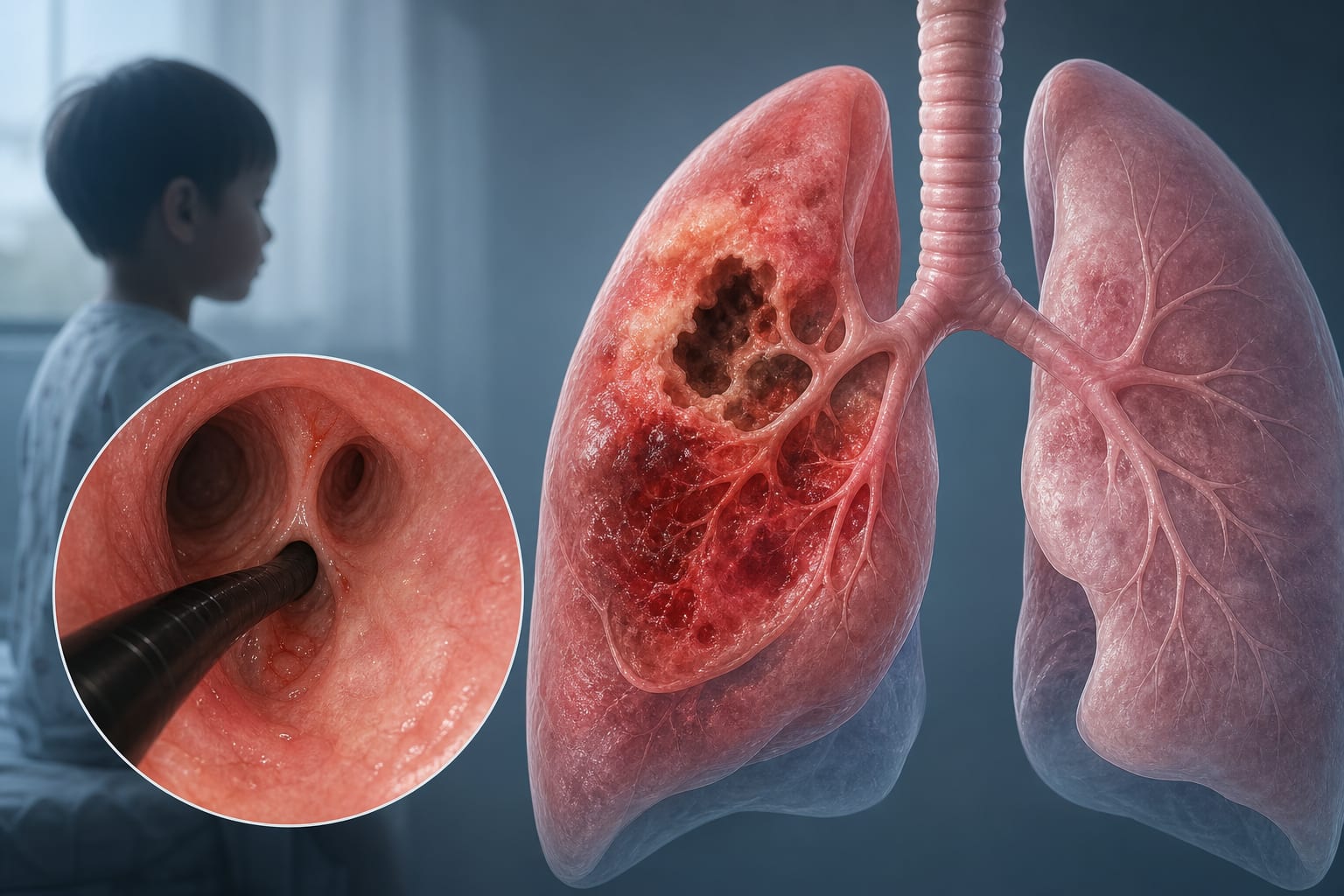
To identify immune cell states associated with persistent fatigue and respiratory impairment in long COVID patients, highlighting their potential significance for treatment.
Key Findings:
LC-Mo state is enriched in patients who developed long COVID after mild to moderate infections, indicating a potential biomarker for risk assessment.
Persistent elevation of cytokines indicates ongoing systemic inflammation, which may contribute to long COVID symptoms.
Higher LC-Mo expression correlates with greater fatigue and poorer respiratory outcomes, suggesting a direct link to patient quality of life.
LC-Mo abundance negatively correlates with arterial oxygen levels, highlighting its potential role in respiratory function.
Impaired antiviral responses observed in patients with high LC-Mo expression, indicating a need for targeted immune therapies.
Interpretation:
The study suggests a pathogenic monocyte transcriptional state linking immune dysfunction to long COVID symptoms, providing insights for potential therapeutic targets that could improve patient outcomes.
Limitations:
Causality between immune dysregulation and clinical symptoms remains to be established; longitudinal studies are needed.
Further studies are needed to explore therapeutic interventions targeting the LC-Mo state, particularly in diverse patient populations.
Conclusion:
The findings highlight a distinct immune cell state that may contribute to persistent symptoms in long COVID, warranting urgent investigation into targeted therapies to alleviate patient suffering.