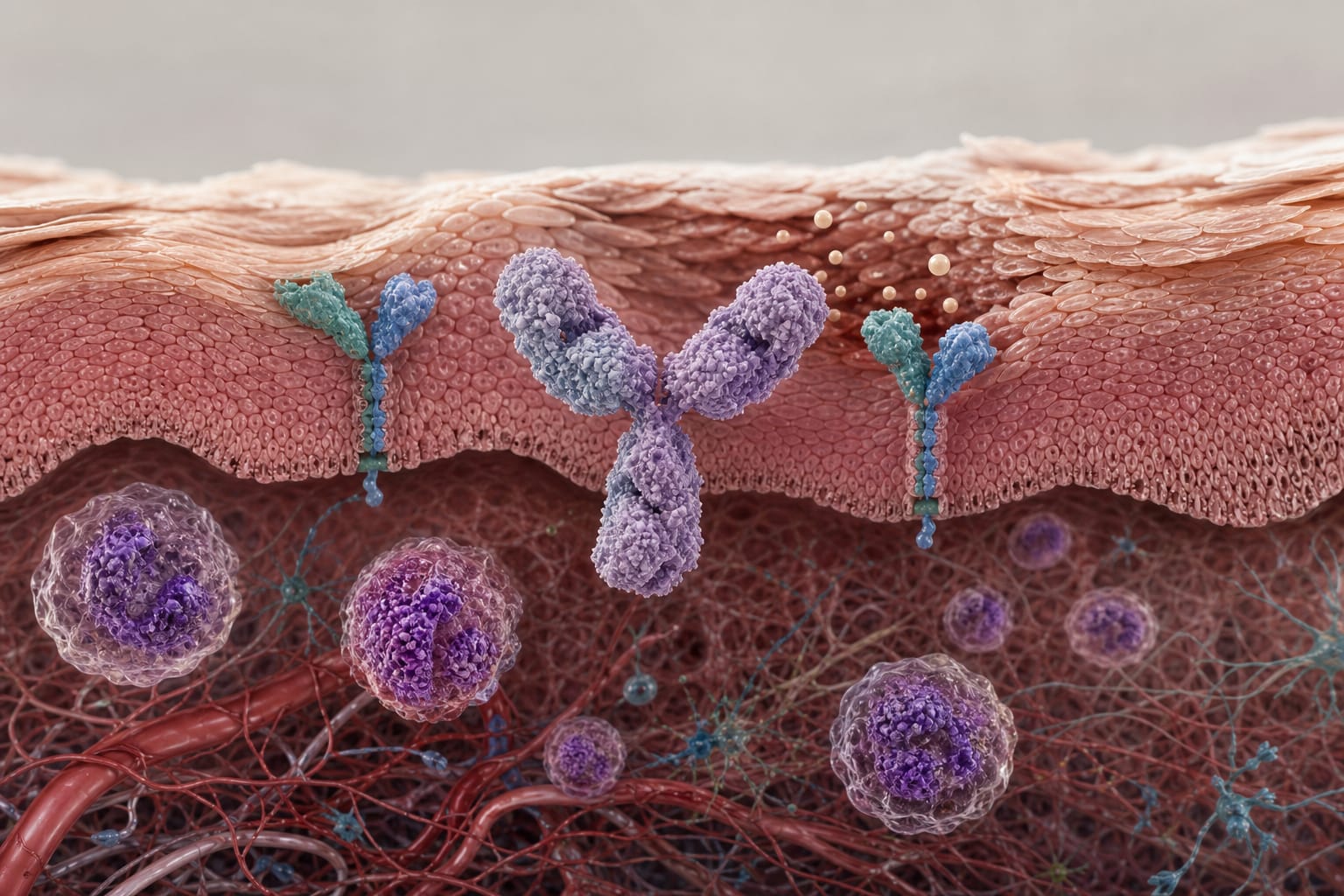
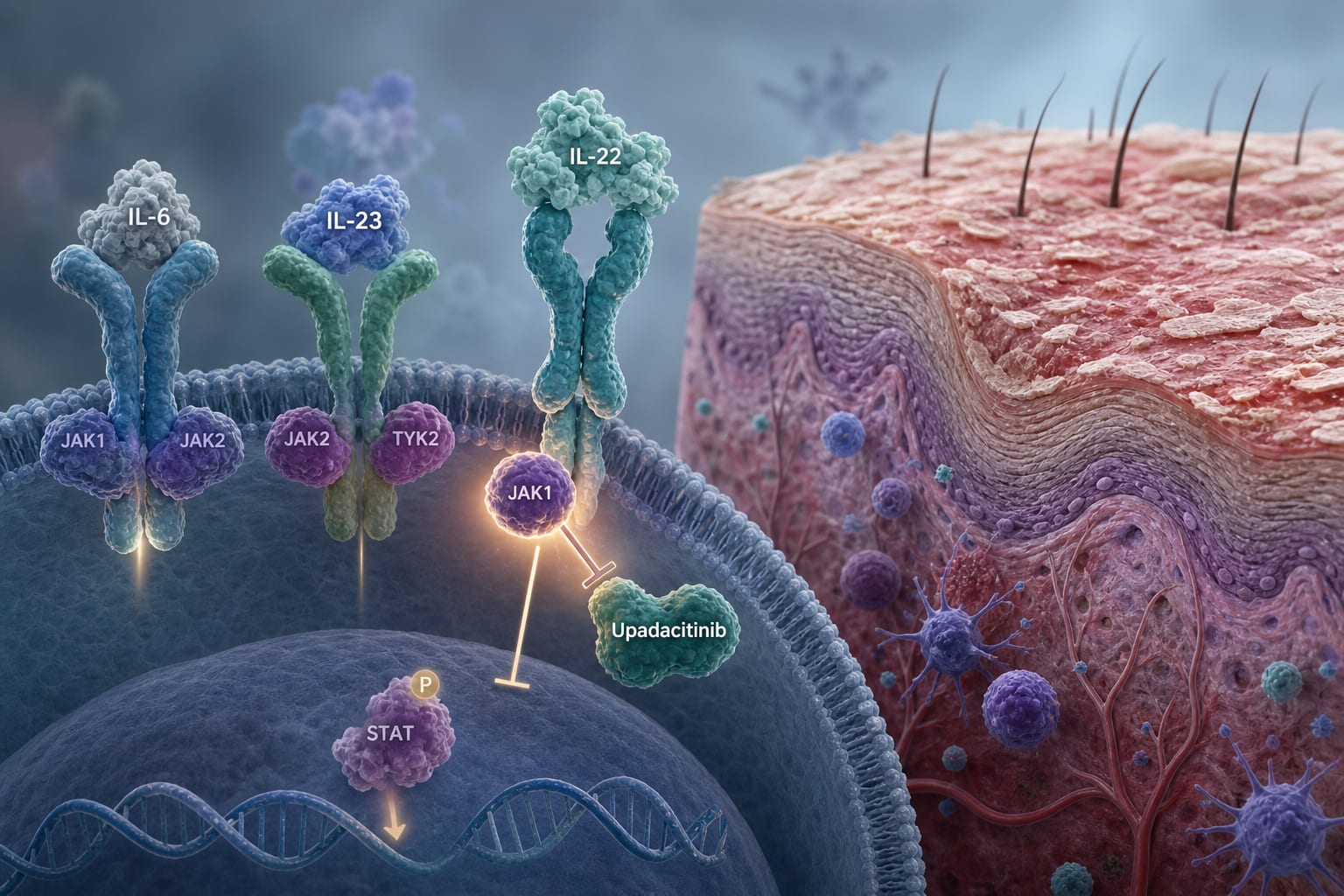
To consolidate and expand understanding of the pathogenesis and management of Type 2 inflammatory skin diseases, emphasizing the importance of emerging treatments.
Approach:
Key Findings:
JAK inhibitors produced faster early responses, while biologics achieved greater overall improvements in atopic dermatitis, suggesting a need for tailored treatment approaches.
AD and non-dermatological T2IDs are associated with an increased risk of lymphoma; dupilumab treatment does not increase this risk and may reduce it, highlighting its safety profile.
Component-resolved diagnostics provide insights into allergen sensitization and improve personalized management of atopic dermatitis, indicating a shift towards individualized care.
Interpretation:
The articles highlight the complexity of Type 2 inflammatory skin diseases and the need for tailored therapeutic approaches, which should be based on individual patient profiles.
Limitations:
Current treatments do not fully address recurrence issues in Type 2 inflammatory skin diseases, particularly in atopic dermatitis.
Further research is needed to explore the long-term effects and safety of emerging therapies, especially in diverse patient populations.
Conclusion:
The study of Type 2 inflammatory skin diseases is crucial and demands more research, particularly as more skin diseases are found to be related to Type 2 inflammation, underscoring the urgency for targeted investigations.
A randomized clinical trial found that a team-based connected health model achieved equivalent improvements in atopic dermatitis severity and symptoms compared with conventional in-person care over 12 months.