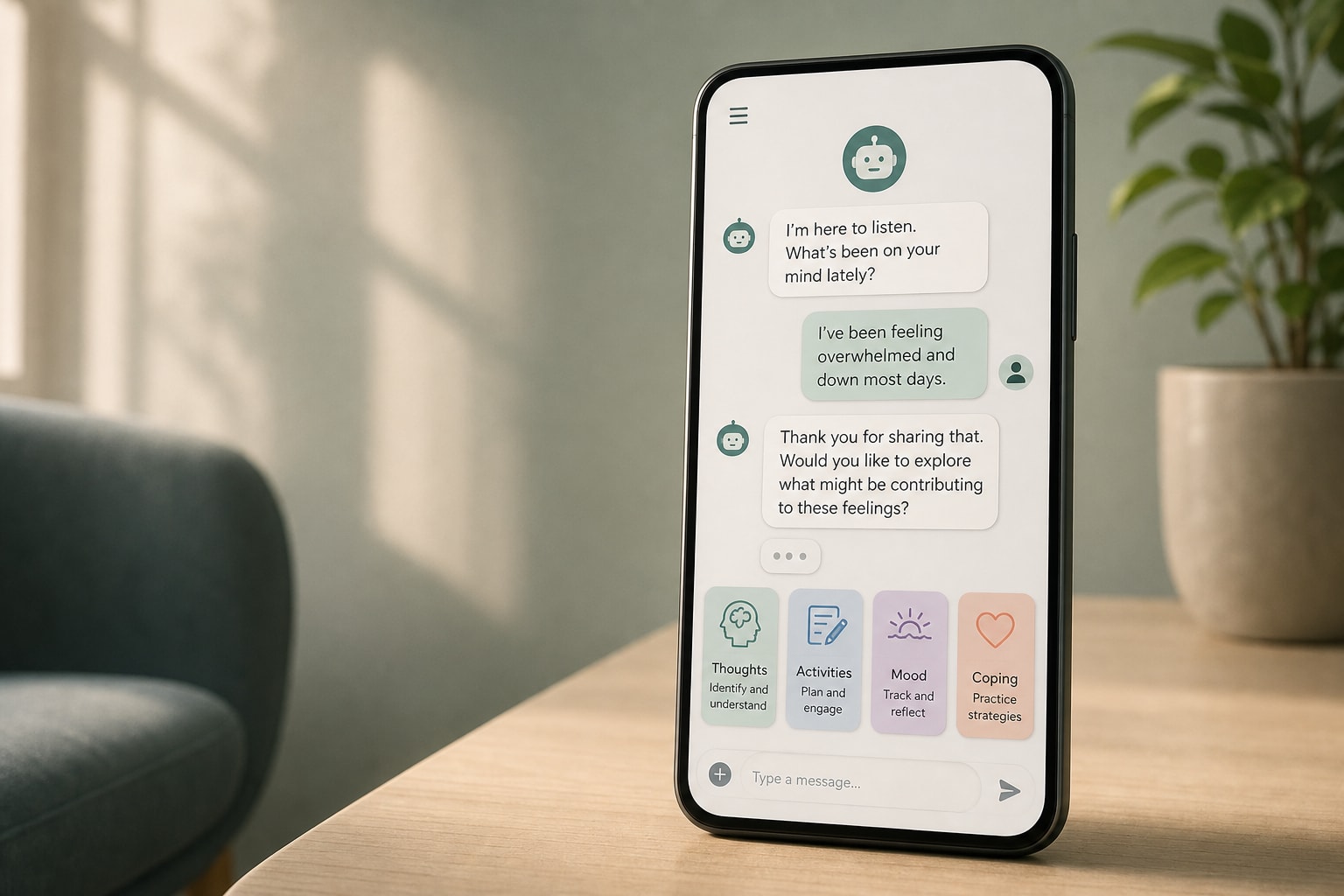
To highlight the rising use of AI chatbots for mental health support among adolescents, particularly in the context of barriers to accessing traditional mental health care, and the need for safety regulations.
Approach:
Research Findings: The share of young people using AI chatbots for mental health advice increased from about 1 in 8 to about 1 in 5 in one year.
Mental Health Landscape: Many adolescents face barriers to accessing real mental health care, leading them to seek support from chatbots.
Categorization of Interactions: Interactions with chatbots can be categorized into affective conversations, clinical conversations, and mental health emergencies, each requiring different regulatory approaches.
Key Findings:
Less than half of adolescents with major depressive episodes received counseling or therapy in the previous year.
AI chatbots can lead to emotional capture and dependency among minors, necessitating regulations that differentiate between types of chatbot interactions.
Regulations should ensure safety measures for mental health emergencies.
Interpretation:
The article highlights the urgent need for regulations to ensure the safety and effectiveness of AI chatbots used by adolescents for mental health support.
Limitations:
Current regulations are reactive and may not prevent harm before it occurs, particularly in the context of AI chatbots.
Existing age verification methods are often ineffective, raising concerns about the protection of minors.
Conclusion:
Regulatory frameworks should prioritize the protection of minors by treating all users as minors unless verified as adults and ensuring that companies can demonstrate the effectiveness of their safety measures.
Analysis of more than 61,000 patients found higher odds of elevated loneliness scores among those reporting blindness and those with diabetic retinopathy, but not among patients with glaucoma or age-related macular degeneration.