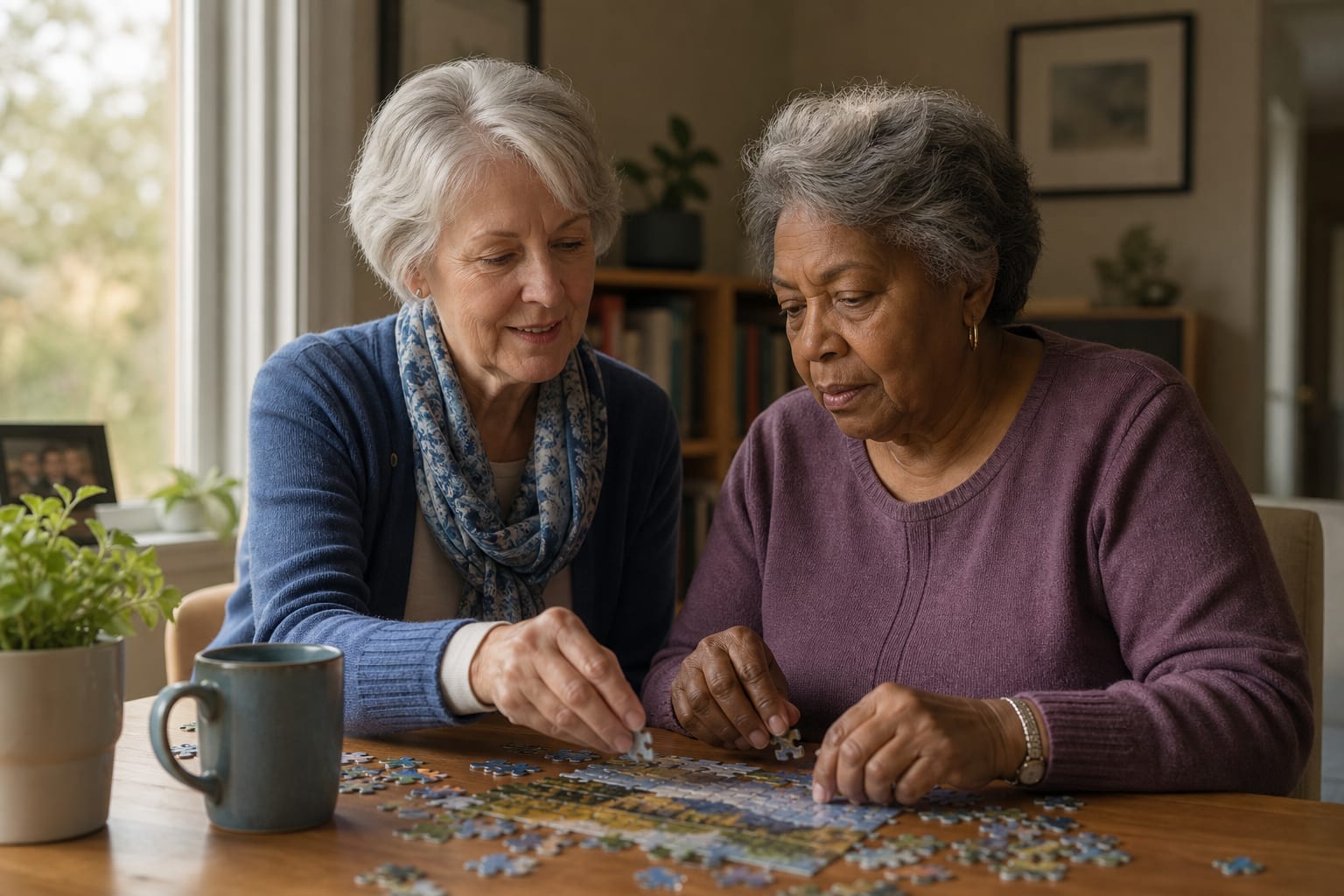
To examine the role of friends within the caregiving network for older adults with activity limitations.
Approach:
Study Design: Analysis of nationally representative data from the National Health and Aging Trends Study involving 2619 older adults aged 65 years and older.
Key Findings:
Approximately 2.4 million friends provide care to older adults in the US.
Friends provide fewer hours of care compared to family members (18.1 vs 66.6 hours per month).
Friends are more likely to assist with transportation and specific tasks like grocery shopping and meal preparation.
Older adults with friend support tend to be younger, college-educated, female, unmarried, and living alone.
Friend caregiving may be underreported.
Interpretation:
Limitations:
The study does not account for the quality or duration of friendships.
Friend caregiving may be underreported due to the perception of activities as simply being a good friend.
Randomized trial finds a topical anti-inflammatory patch provided similar pain relief, function, and safety as oral therapy during the first 6 weeks after surgery.
National survey findings suggest many US adults report making health decisions based on social media despite widespread concerns about the accuracy of health information shared to the platforms.