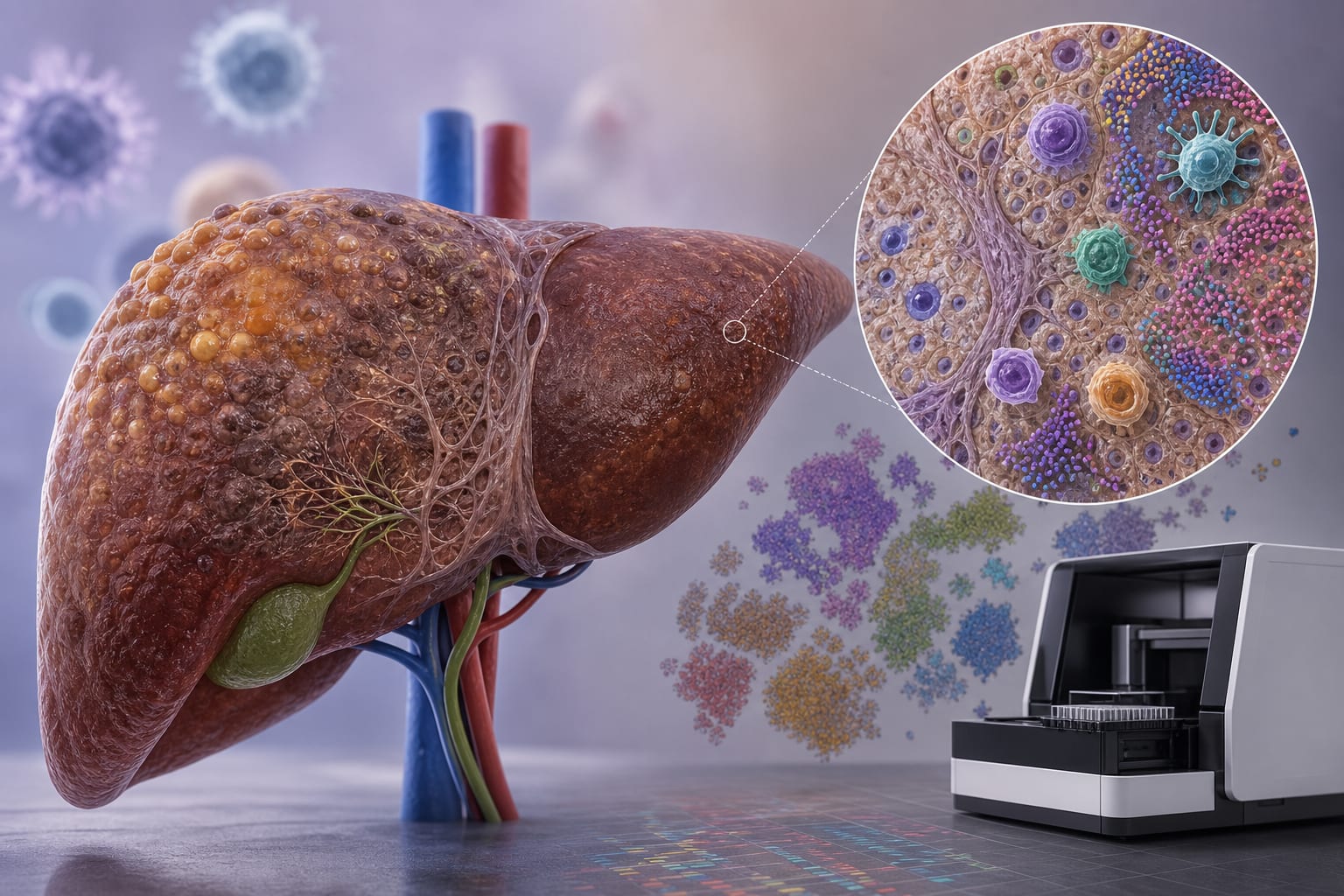
To summarize the clinical spectrum of metabolic dysfunction-associated steatotic liver disease (MASLD) and the role of hepatic macrophages in its pathogenesis, while exploring the impact of exercise interventions on macrophage function.
Approach:
Exercise as a Therapeutic Strategy: Establishes a framework where exercise modulates macrophage function and inter-organ communication, potentially ameliorating MASLD through mechanisms such as the release of anti-inflammatory myokines.
Key Findings:
Hepatic macrophages are central to MASLD pathogenesis, linking metabolic stress, inflammation, and fibrosis, with specialized macrophage subsets identified through single-cell transcriptomics.
Interpretation:
The review provides a comprehensive understanding of macrophage-centered mechanisms in MASLD and emphasizes lifestyle interventions as a potential therapeutic strategy.
Limitations:
The review does not provide specific clinical trial data on exercise interventions, limiting the applicability of findings.
Conclusion:
Understanding the role of macrophages in MASLD and the impact of exercise may inform future therapeutic strategies.