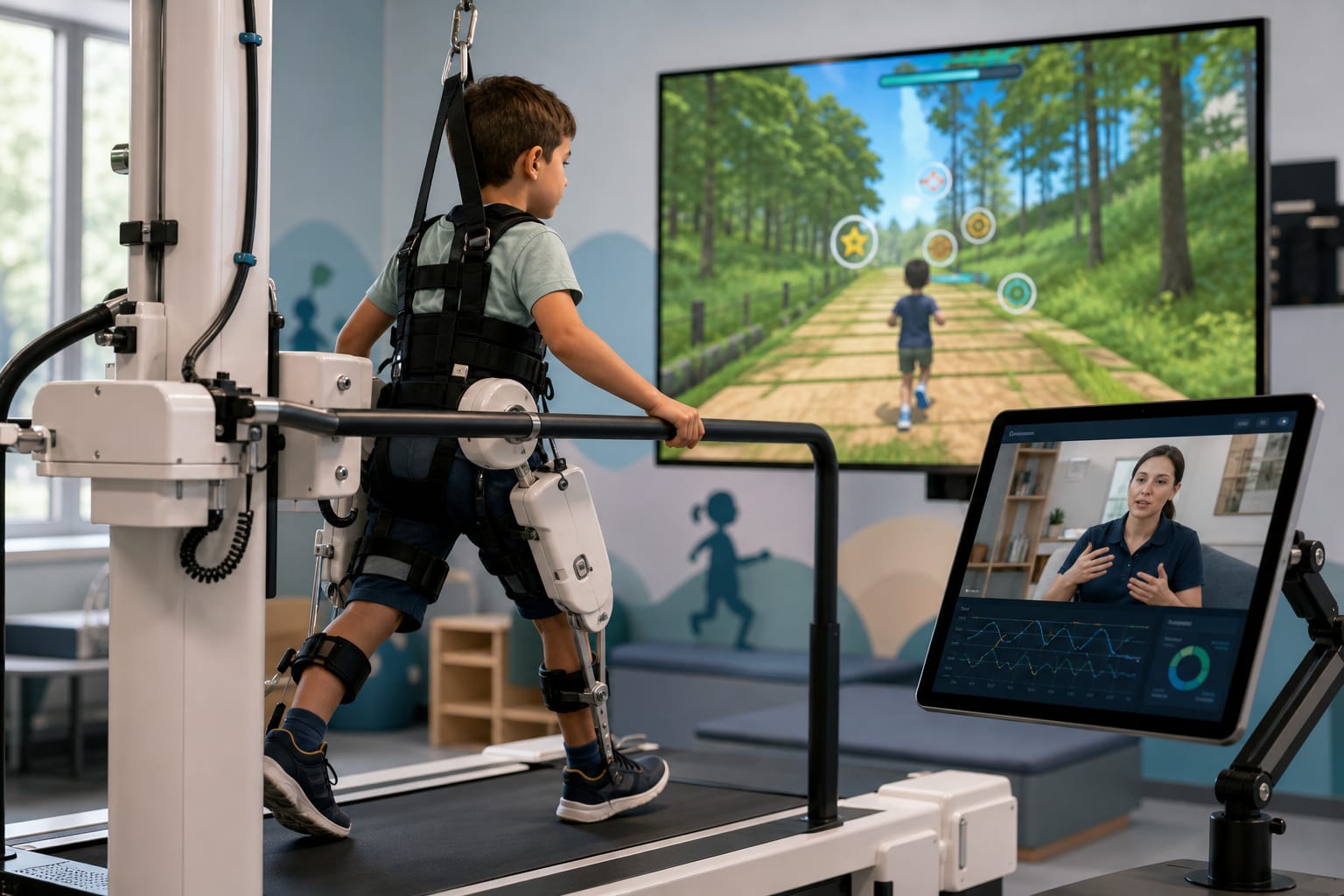
Explaining the Use Behavior of Digital Technologies in Pediatric Rehabilitation: Structural Equation Modeling Analysis of a Cross-Sectional European Survey - Summary - MDSpire
Advertisement
Explaining the Use Behavior of Digital Technologies in Pediatric Rehabilitation: Structural Equation Modeling Analysis of a Cross-Sectional European Survey
To assess the behavioral components of use and intention to use for digital technologies in pediatric motor rehabilitation and identify key acceptance factors for improving implementation in clinical practice.
Approach:
Key Findings:
Approximately two-thirds of European respondents reported regular use of digital technologies for pediatric motor rehabilitation, indicating a significant level of engagement with these tools.
The UTAUT model was hypothesized to explain use behavior for the three digital technologies assessed, focusing on performance expectancy, effort expectancy, and social influence.
Interpretation:
The study aims to provide insights into the behavioral factors influencing the acceptance of digital technologies in pediatric rehabilitation.
Limitations:
The study focuses on behavioral aspects rather than technical aspects of digital technology implementation.
Responses were collected from health care professionals, which may not fully represent the perspectives of all stakeholders involved in pediatric rehabilitation.
Conclusion:
The findings enhance understanding of the acceptance of digital technologies in pediatric rehabilitation.
by Johanne Mensah Gourmel, Sylvain Brochard, Saranda Bekteshi, Elegast Monbaliu, Gwenaël Cornec, Anca Irina Grigoriu, Christopher J Newman, Marco Konings, Javier De La Cruz, Christelle Pons