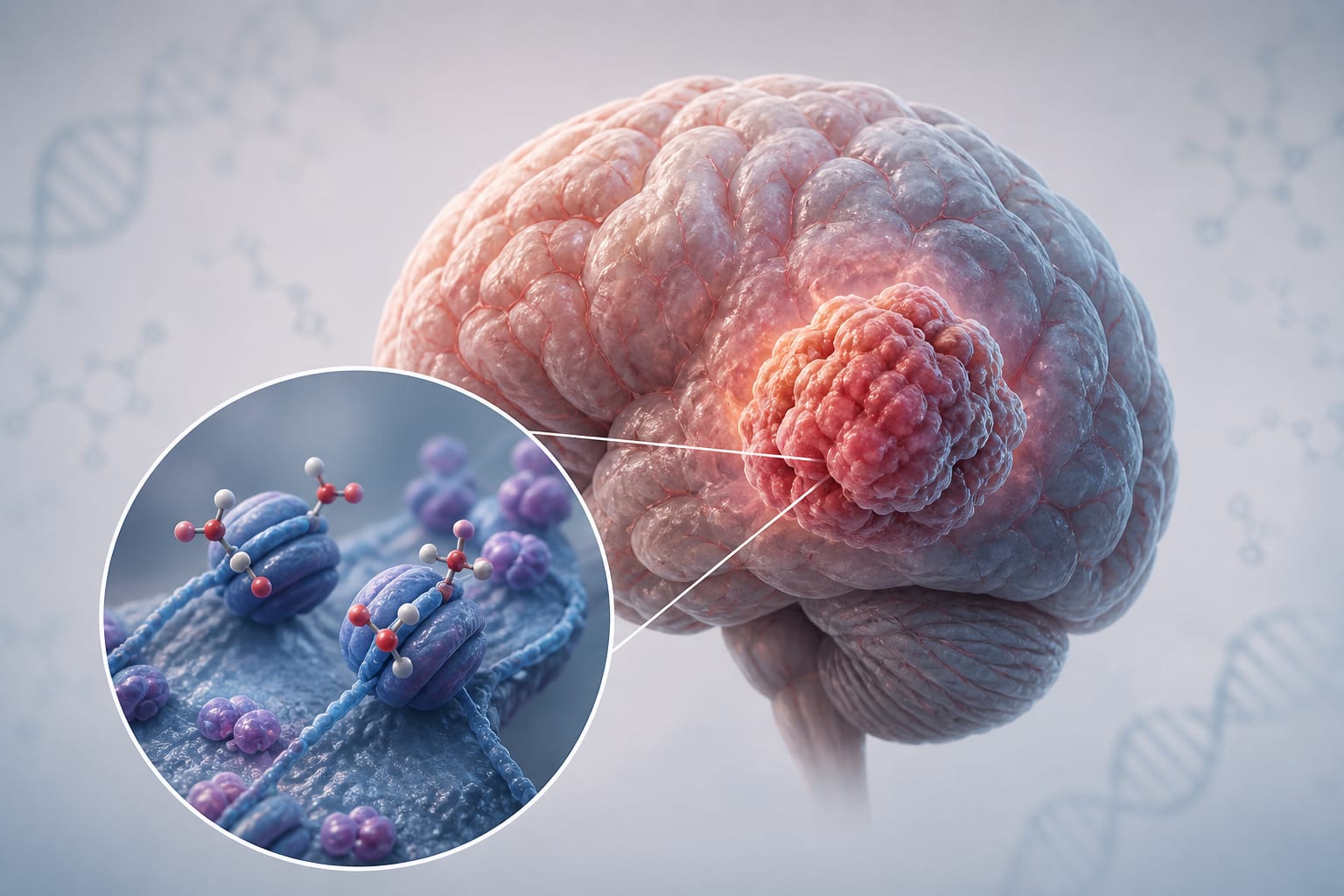
Sesquiterpenoids influence IFIT protein family and LIMK1: potential effects on the tumor microenvironment and macrophage infiltration - Summary - MDSpire
To systematically examine the regulatory factors of sesquiterpenoids in renal carcinoma, lymphoma, and other cancers, and their effects on gene expression, clinical outcomes, and immune cell infiltration.
Approach:
Key Findings:
Sesquiterpenoids exhibit selective cytotoxicity against triple-negative breast cancer cells, suggesting potential for targeted therapies.
Costunolide from Vladimiriae Radix demonstrated anticancer effects, warranting further investigation.
Gene expression changes influenced by sesquiterpenoids correlate with immune cell infiltration, indicating a possible mechanism for their therapeutic effects.
Interpretation:
The study suggests that sesquiterpenoids could serve as potential therapeutic agents in cancer treatment by modulating gene expression and immune responses.
Limitations:
Focus on specific cancer types may limit generalizability of findings to other cancers.
Potential variability in sesquiterpenoid effects across different biological contexts, which may affect treatment outcomes.
Conclusion:
Sesquiterpenoids show promise as therapeutic agents in cancer treatment, warranting further investigation into their mechanisms and broader applications in oncology.