Enhancing parental health knowledge through digital knowledge mobilisation tools: a randomised controlled trial and qualitative study - Summary - MDSpire
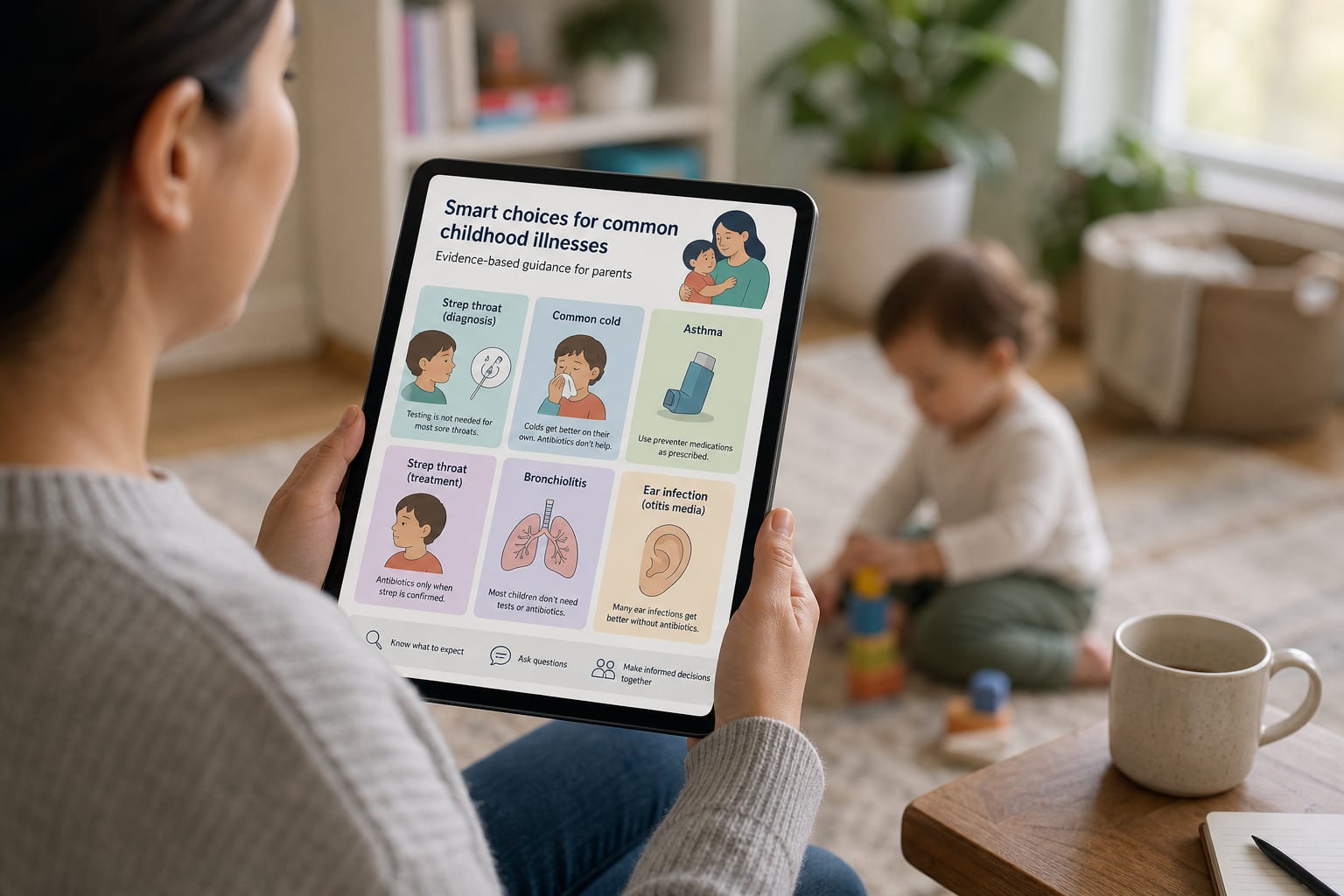
To assess the effectiveness of blogshots to increase knowledge and manage expectations regarding six Choosing Wisely Canada recommendations about common childhood conditions.
Approach:
Study Design: A multimethod study including a non-pharmacological randomized controlled trial and qualitative interviews.
Participants: Parents or legal guardians of children under 5 years in Canada.
Intervention: Participants received one of two sets of blogshots delivered weekly over 3 weeks, focusing on different topics related to childhood conditions.
Outcome Measures: Primary outcome was change in knowledge; secondary outcomes included changes in expectations, intentions, actions over time, and usability of the blogshots.
Key Findings:
167 participants included in final analysis, predominantly mothers (80%).
At follow-up 1, those receiving blogshots scored significantly higher on knowledge questionnaires (p<0.001, d=0.30).
No significant differences in knowledge scores between groups at follow-up 2 and 3.
Participants expressed intentions to use blogshots and reported actions to manage their child's condition.
Qualitative interviews indicated blogshots were aesthetically pleasing and contained understandable information.
Interpretation:
Blogshots can effectively disseminate child health information to parents, with potential for broader application across various health topics.
Limitations:
Short-term follow-up may not capture long-term knowledge retention.
Study sample may not represent all demographics of parents.
Conclusion:
Blogshots may serve as an effective tool for increasing parental health literacy regarding childhood conditions.
Approval expands risankizumab use to pediatric plaque psoriasis and psoriatic arthritis and includes a new 55-mg prefilled syringe for weight-based dosing in patients weighing less than 40 kg.