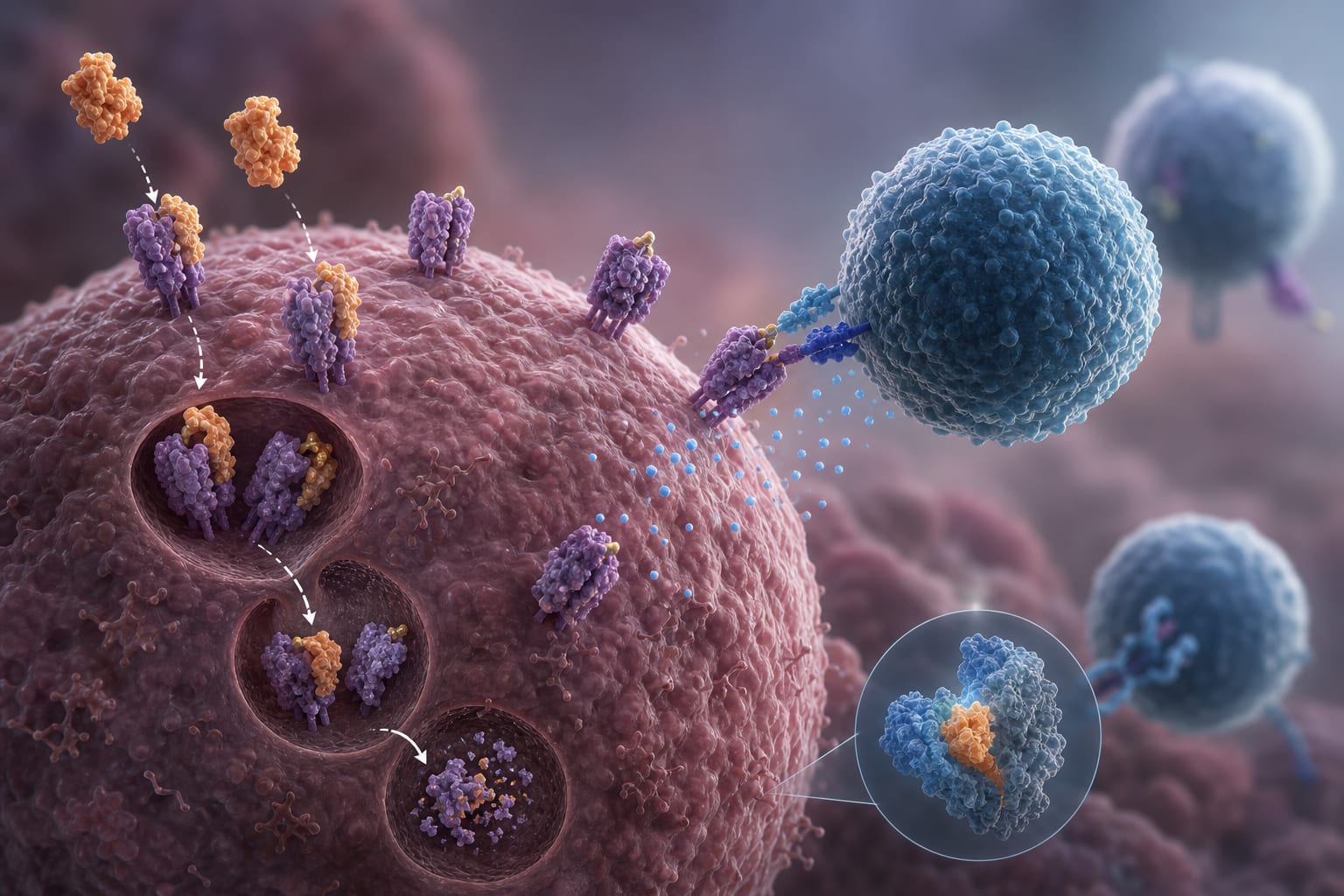
To systematically examine the role of lysophosphatidic acid (LPA) in the progression of castration-resistant prostate cancer (CRPC) and explore potential therapeutic strategies targeting the LPA signaling pathway, emphasizing the systematic nature of the review.
Key Findings:
LPA is implicated in the progression of prostate cancer, particularly in the transformation to CRPC, with significant implications for treatment.
LPA engages specific receptors (LPAR1 and LPAR3) to activate signaling pathways that sustain cancer cell proliferation and survival despite androgen deprivation.
Dysregulation of LPA production and signaling is associated with prostate cancer occurrence, development, and metastasis, emphasizing the need for targeted therapies.
Interpretation:
LPA serves as a critical hub linking intrinsic tumor changes with external stimuli, functioning as both a molecular trigger and a sustained driver in CRPC transformation, warranting further exploration.
Limitations:
The review primarily focuses on LPA without extensive exploration of other metabolic pathways involved in CRPC, which may limit the comprehensiveness of the findings.
Potential therapeutic strategies targeting LPA signaling are still in early stages and require further validation, underscoring the need for continued research.
Conclusion:
Understanding LPA's role in CRPC may provide insights into novel diagnostic and therapeutic strategies targeting this signaling axis, highlighting the urgency of this research.