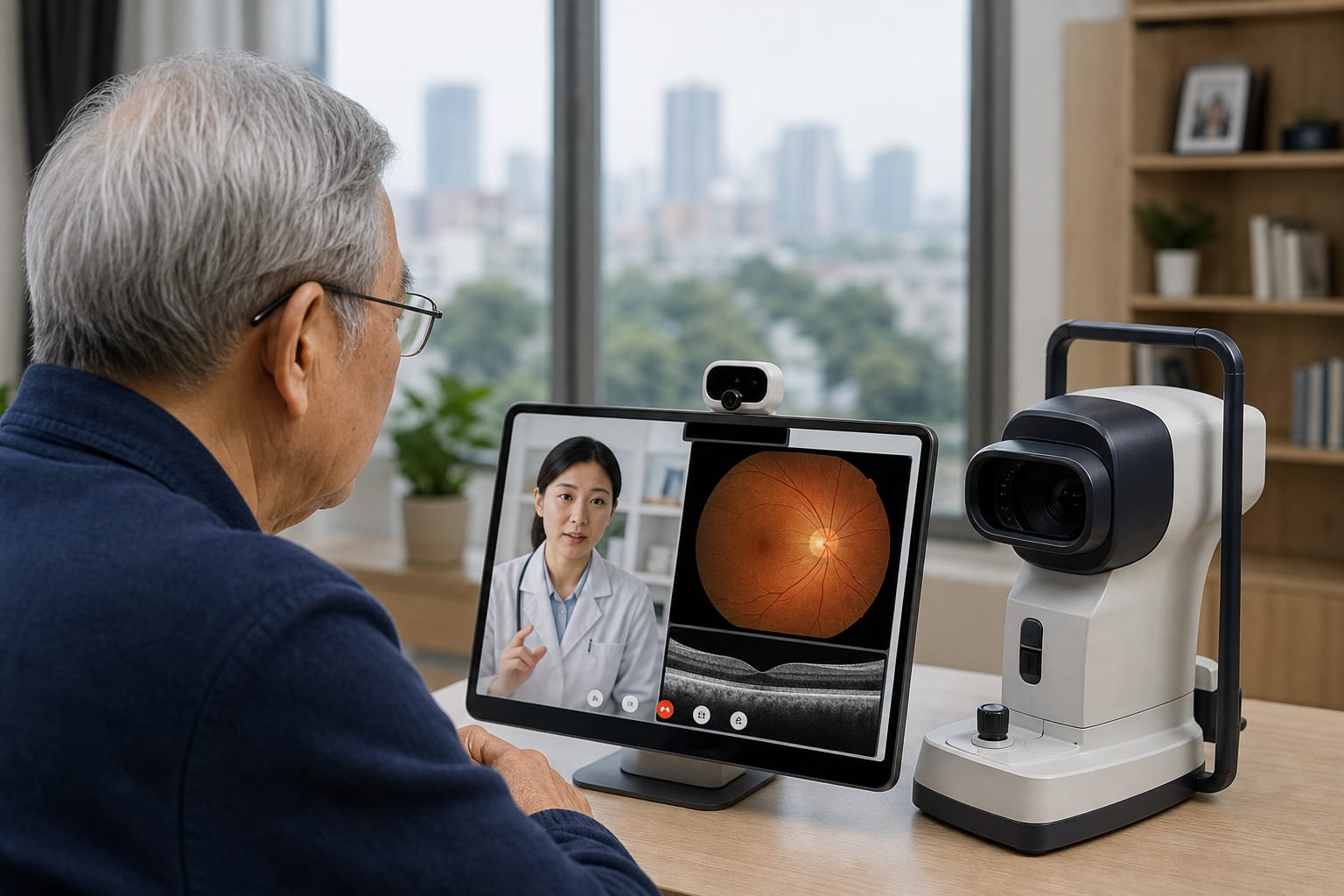
To evaluate the health impact of smart city policies on older adults in China, focusing on the effects of smart healthcare integration, including access, utilization, and health outcomes.
Key Findings:
Smart healthcare positively impacts health behaviors and health levels among older adults, suggesting a need for policy adjustments.
Increased healthcare utilization is observed among the elderly due to improved access and resource allocation, indicating a shift in healthcare dynamics.
Heterogeneous effects are identified across different elderly subgroups, indicating the need for targeted digital health policies to address diverse needs.
Interpretation:
The integration of smart healthcare technologies enhances health outcomes for older adults by improving healthcare access, utilization, and health behaviors, ultimately leading to better overall health.
Limitations:
The study primarily focuses on the macro-level effects of policy rather than individual technology efficacy, which may overlook specific technology impacts.
Potential confounding factors in the broader social and policy contexts, such as socioeconomic disparities, may influence results.
Conclusion:
Smart healthcare initiatives in China's smart cities significantly contribute to the health and well-being of older adults, highlighting the importance of inclusive digital health strategies that cater to diverse populations.