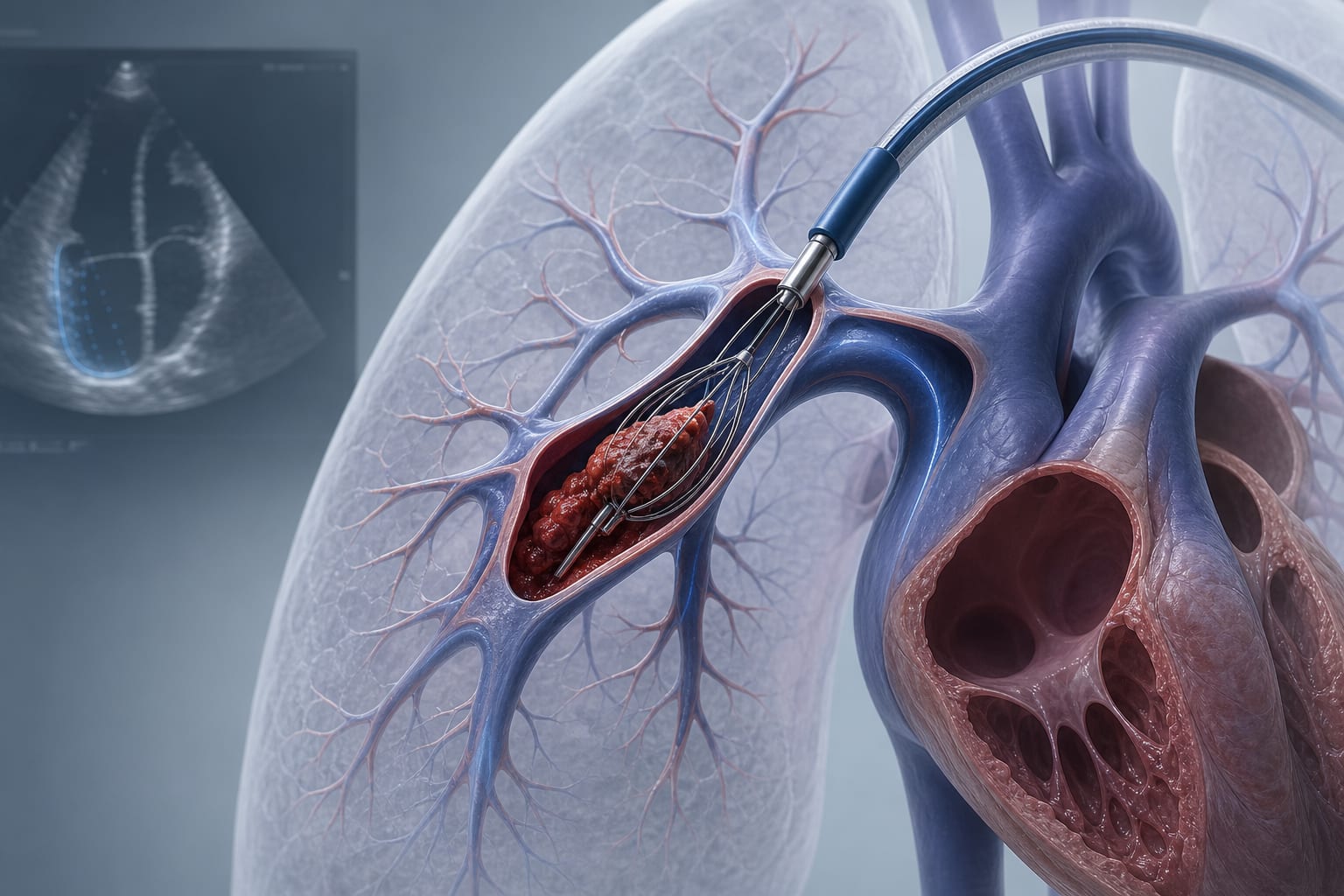
To describe the evolution of pulmonary embolism (PE) management over four decades at a single center, focusing on the integration of emerging therapies and the importance of physiological assessment.
Approach:
Key Findings:
Systemic thrombolysis showed accelerated pulmonary reperfusion but did not establish a mortality benefit.
Reduced-dose thrombolytic strategies may restore pulmonary circulation without complete clot removal.
IVC filters were used to reduce early recurrent PE but showed increased long-term complications.
Interpretation:
The evolution of PE management reflects a growing understanding of pulmonary vascular physiology and the need for tailored therapeutic approaches.
Limitations:
Lack of definitive randomized trials for many advanced interventions.
Clinical practice has evolved incrementally without comprehensive synthesis of individual center experiences.
Conclusion:
The historical development of reperfusion strategies underscores the importance of early physiologic recognition, tailored therapeutic approaches, and a dedicated multidisciplinary system of care.