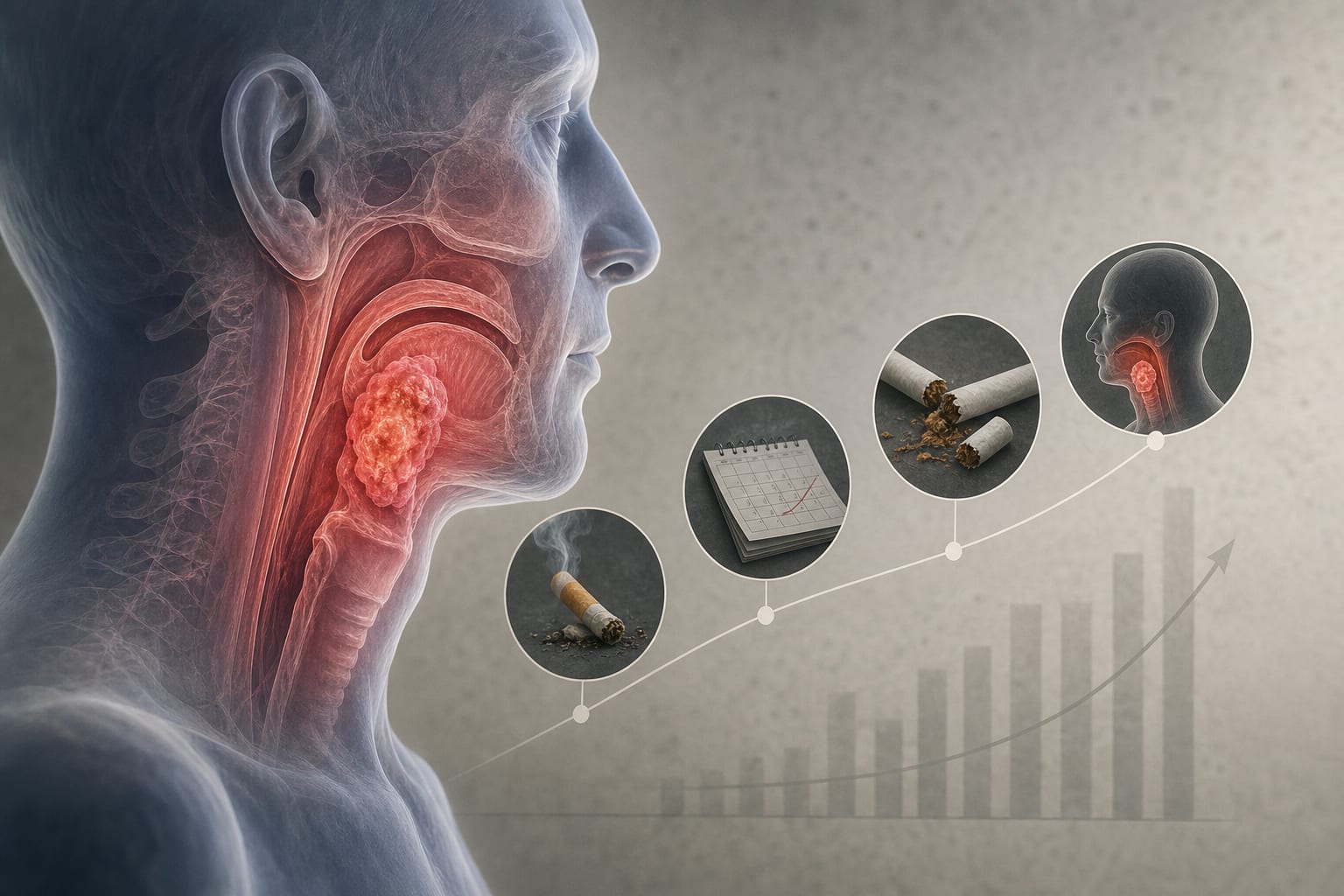
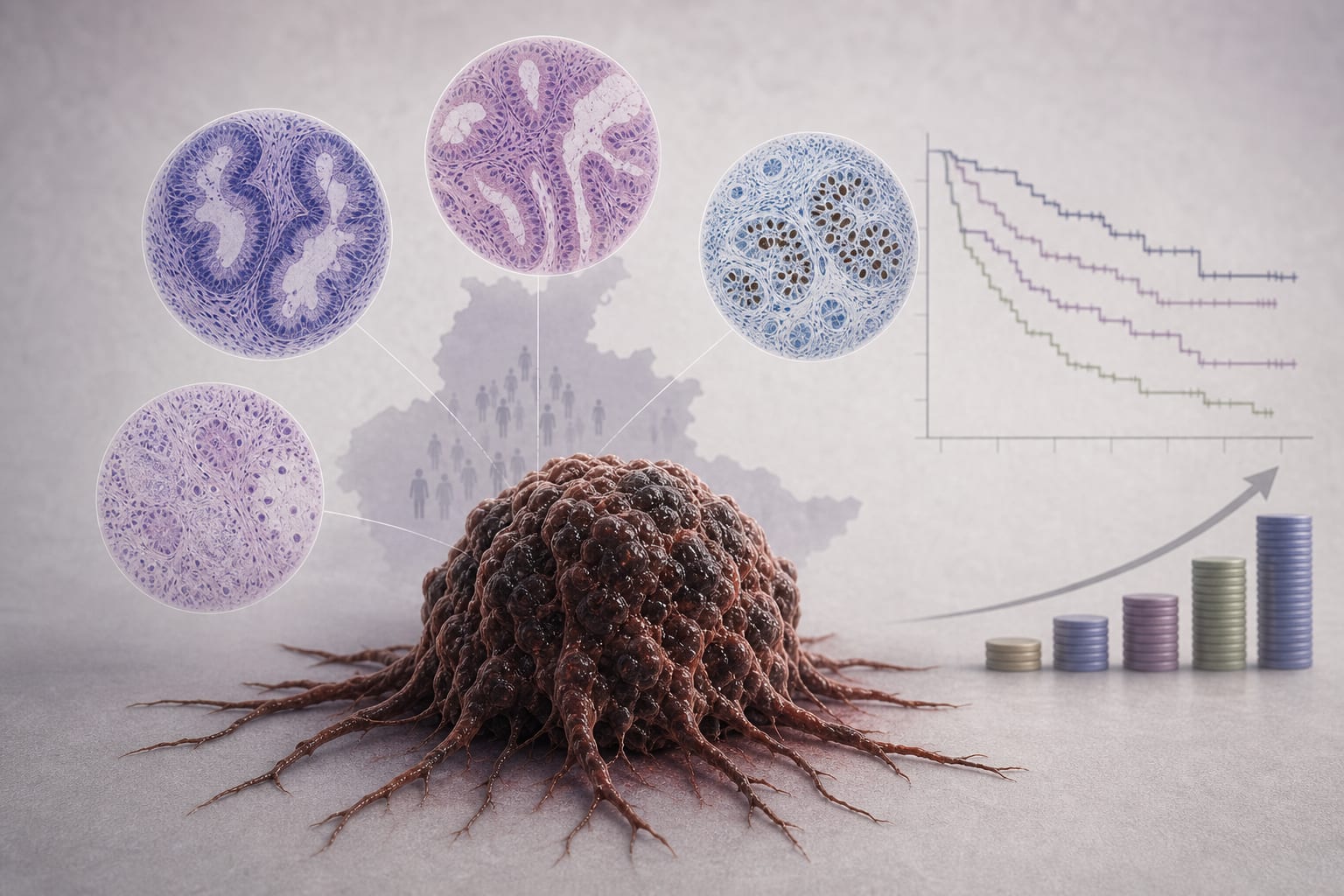
To assess the inadequacies of pack-years as a metric for quantifying smoking exposure in head and neck squamous cell carcinoma (HNSCC) and to propose alternative metrics that better capture the risk associated with tobacco use in this context.
Approach:
Discussion of Current Metrics: The article discusses the limitations of pack-years in capturing the biological and clinical heterogeneity of tobacco-related risk in HNSCC, emphasizing the need for more nuanced assessment methods.
Evidence for Duration-Based Assessment: It presents evidence suggesting that smoking duration is a stronger predictor of HNSCC risk and overall survival compared to pack-years, supported by various studies.
Biological Rationale: The article explains the biological rationale for duration-based metrics, emphasizing the time-dependent nature of carcinogenesis and its implications for risk assessment.
Key Findings:
Smoking duration is a stronger predictor of HNSCC risk and overall survival than pack-years, as evidenced by multiple studies.
Metrics like log cigarette-years have shown better prognostic roles compared to traditional pack-years, indicating a need for updated assessment methods.
Smoking cessation and the use of alternative tobacco products significantly influence HNSCC risk and clinical outcomes, highlighting the complexity of tobacco exposure.
Interpretation:
Pack-years alone are insufficient for accurate risk stratification in HNSCC; integrated models that include smoking duration may enhance prognostic accuracy, as supported by the findings in the source material.
Limitations:
Pack-years do not account for smoking status (current vs former) or time since cessation, which are critical for accurate risk assessment.
Alternative tobacco products are rarely included in exposure models, limiting the comprehensiveness of current metrics.
Conclusion:
Integrated models that assess smoking duration may improve prognostic and predictive accuracy in HNSCC, supporting more personalized treatment strategies as indicated by the findings.