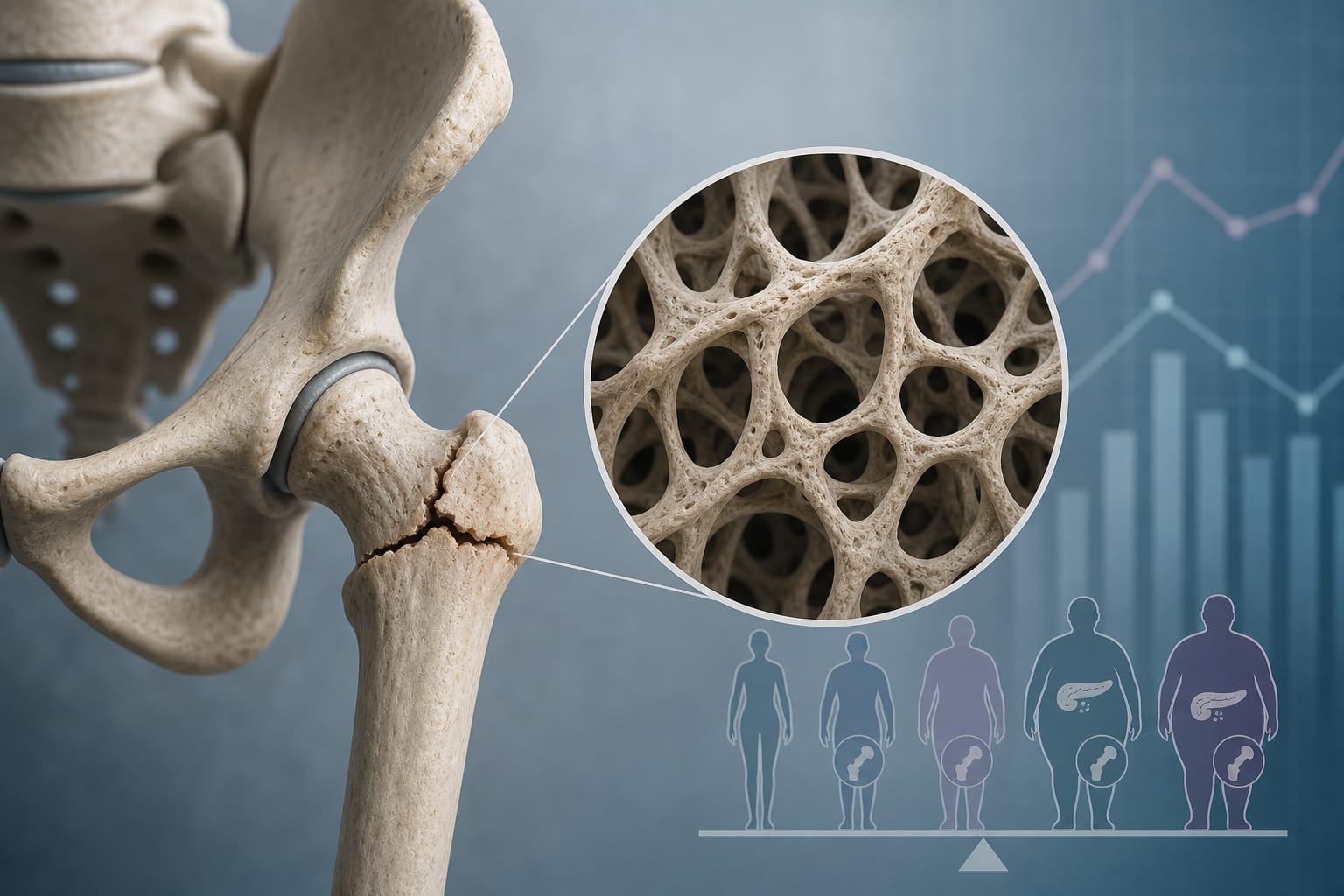
To explore the mechanisms, therapeutic applications, and clinical potential of natural products in bone health and disease.
Approach:
Research Topic Overview: The editorial discusses a collection of seven articles that connect preclinical molecular pharmacology with regenerative interventions in bone health.
Natural Products Review: Traditional Chinese medicine and natural products are examined for their multi-target mechanisms and potential therapeutic advantages.
Molecular Pathways Analysis: Studies investigate the Nrf2, NF-κB, and MAPK pathways and their roles in osteoporosis and osteoarthritis.
Micronutrients Role: The impact of vitamin K2 and tocotrienols on bone health and remodeling is analyzed.
Clinical Investigation: A large study identifies associations between thyroid hormones and vertebral fracture risk in osteoporosis patients.
Regenerative Medicine Insights: A systematic review assesses the effectiveness of autologous stem-cell transplantation in treating severe focal bone pathology.
Key Findings:
Low bone mineral density is linked to significant mortality and disability in postmenopausal women.
Natural compounds may alleviate bone disorders through various molecular mechanisms.
Vitamin K2 supplementation is associated with improved bone health markers.
Tocotrienols may protect osteocytes from oxidative stress and enhance bone quality.
Thyroid hormone sensitivity correlates with vertebral fracture risk and volumetric bone mineral density.
A critical threshold of stem cells is necessary for effective tissue repair in bone pathology.
Interpretation:
The findings suggest that natural compounds and micronutrients could play a significant role in managing bone health and disorders, highlighting the need for further research and clinical application.
Limitations:
The broad pleiotropy of natural products may lead to off-target effects.
The efficacy of theoretical pathways needs empirical validation.
Clinical studies may have varying methodologies and sample sizes.
Conclusion:
Natural compounds and micronutrients show promise in addressing bone health issues, but further research is needed to establish their clinical efficacy.