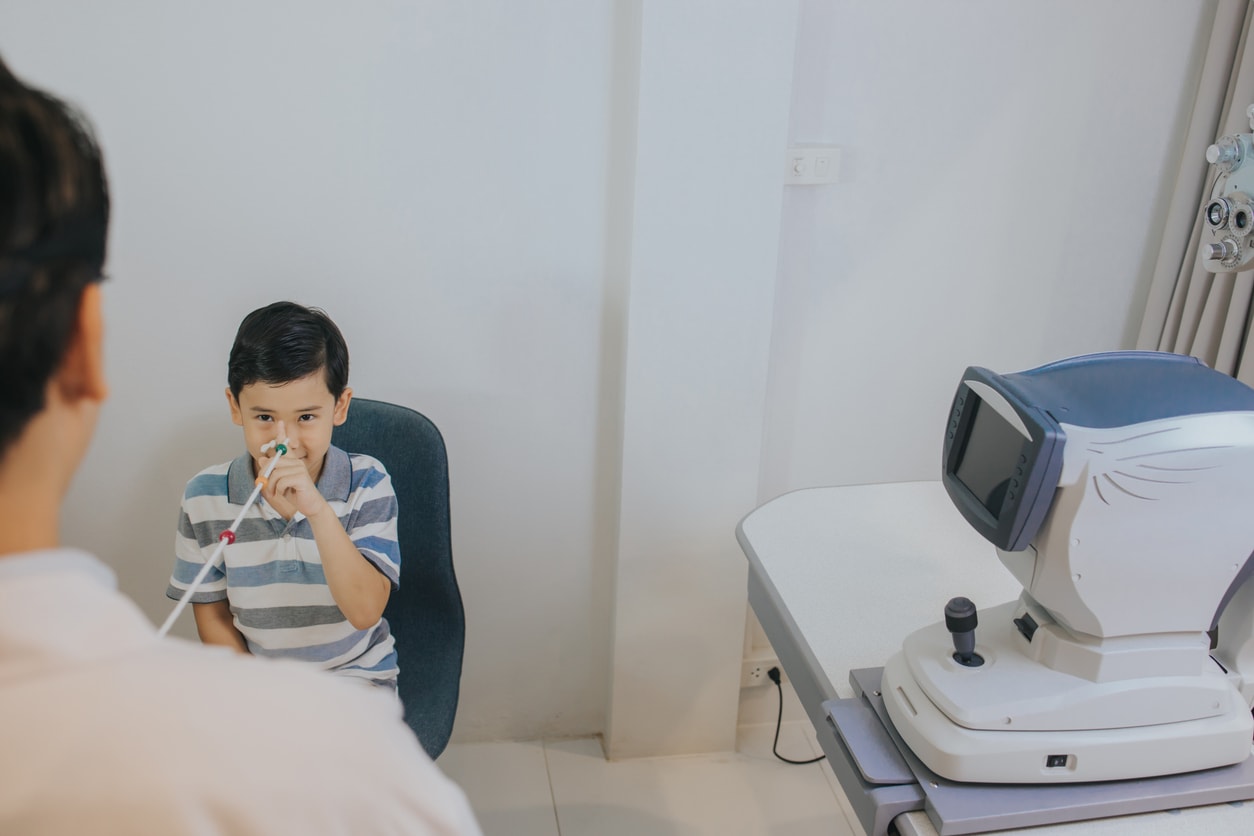
To evaluate the effectiveness of non-surgical management using prisms and vision therapy in patients with acute acquired comitant esotropia (AACE).
Key Findings:
79% of patients showed improvement in divergence amplitudes and reduction in esodeviation.
Median distance esodeviation decreased by about 7 prism diopters and near deviation by about 6 prism diopters after therapy.
Divergence amplitudes improved by about 7 PD at distance and 8 PD at near.
No patient reported diplopia after therapy.
14 patients were included in the analysis.
Interpretation:
Non-surgical management with prisms and vision therapy is effective for most patients with non-accommodative AACE, significantly improving both divergence and esodeviation.
Limitations:
Retrospective design and incomplete documentation for some variables.
Heterogeneity in therapy modality and duration.
Lack of a control group and assessment of natural disease progression in untreated patients, which may affect the generalizability of the results.
Conclusion:
Non-accommodative, non-neurologic types of AACE can be effectively managed non-surgically in 79% of patients, improving divergence and reducing esodeviation, highlighting the importance of these management options.
Narrative review linked lower vitamin D levels to greater myopia risk and higher omega-3 intake to lower risk, though outdoor exposure may explain the vitamin D association.