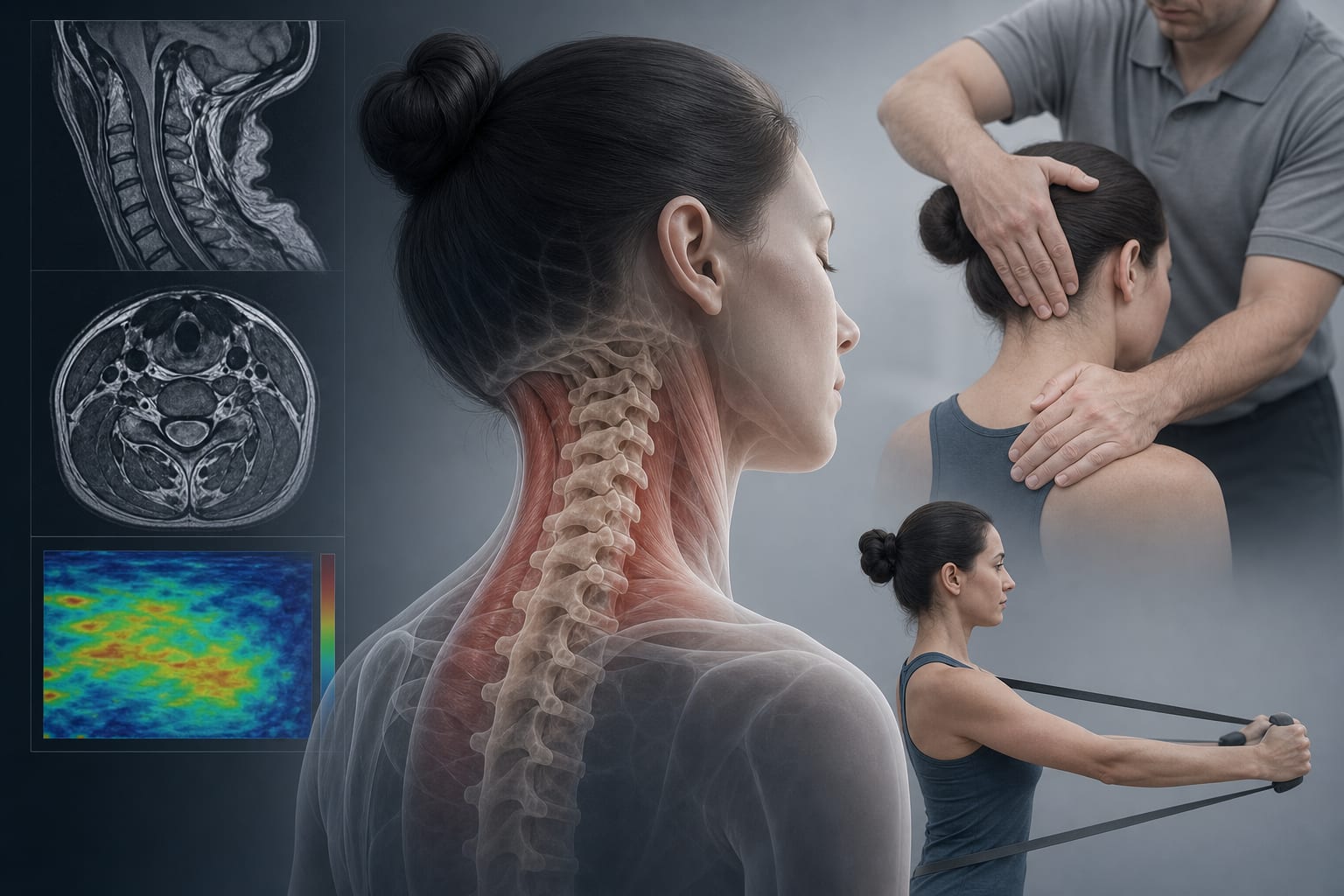
To evaluate sex-stratified associations between psychoemotional factors and HRQoL domains in adults with chronic nonspecific CLBP.
Approach:
Study Design: Cross-sectional study including 223 adults with chronic nonspecific CLBP (138 women and 85 men) assessed before outpatient rehabilitation.
Assessment Methods: Evaluated pain intensity, anxiety, depression, perceived stress, kinesiophobia, and HRQoL using standardized questionnaires.
Analytical Methods: Primary analyses examined associations between psychoemotional thresholds and eight SF-36 domains separately for women and men; secondary analyses assessed severe pain.
Key Findings:
The prevalence of clinically significant anxiety, depression, high perceived stress, and kinesiophobia did not differ significantly between women and men.
In women, elevated psychoemotional burden was associated with lower scores in vitality, mental health, social functioning, and general health.
In men, associations involved a broader range of HRQoL domains, including physical functioning, role limitations, bodily pain, and general health.
High kinesiophobia was associated with severe pain in women, while no psychoemotional indicator was significantly associated with severe pain in men after correction for multiple testing.
Interpretation:
Psychoemotional factors were associated with HRQoL in adults with chronic nonspecific CLBP, with different patterns of associations observed between sexes.
Limitations:
The study reflects baseline biopsychosocial characteristics prior to rehabilitation exposure.
Exploratory sex-by-variable interaction analyses did not demonstrate statistically robust interaction effects after adjustment for potential confounders.
Conclusion:
The findings highlight the importance of considering psychoemotional factors during assessment and rehabilitation planning in patients with chronic nonspecific CLBP.