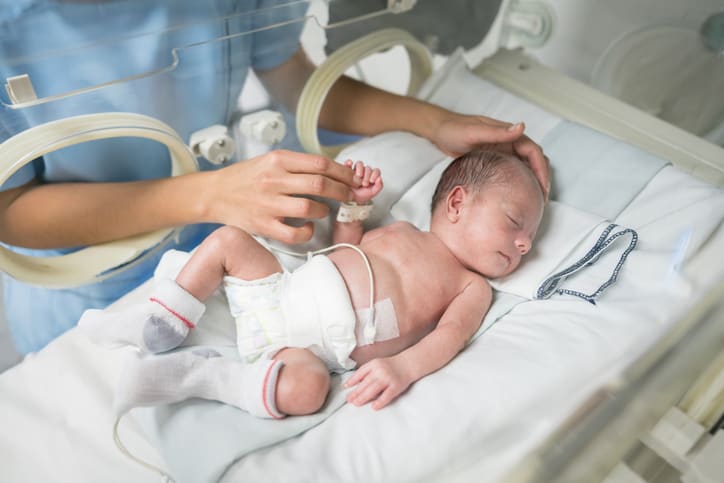
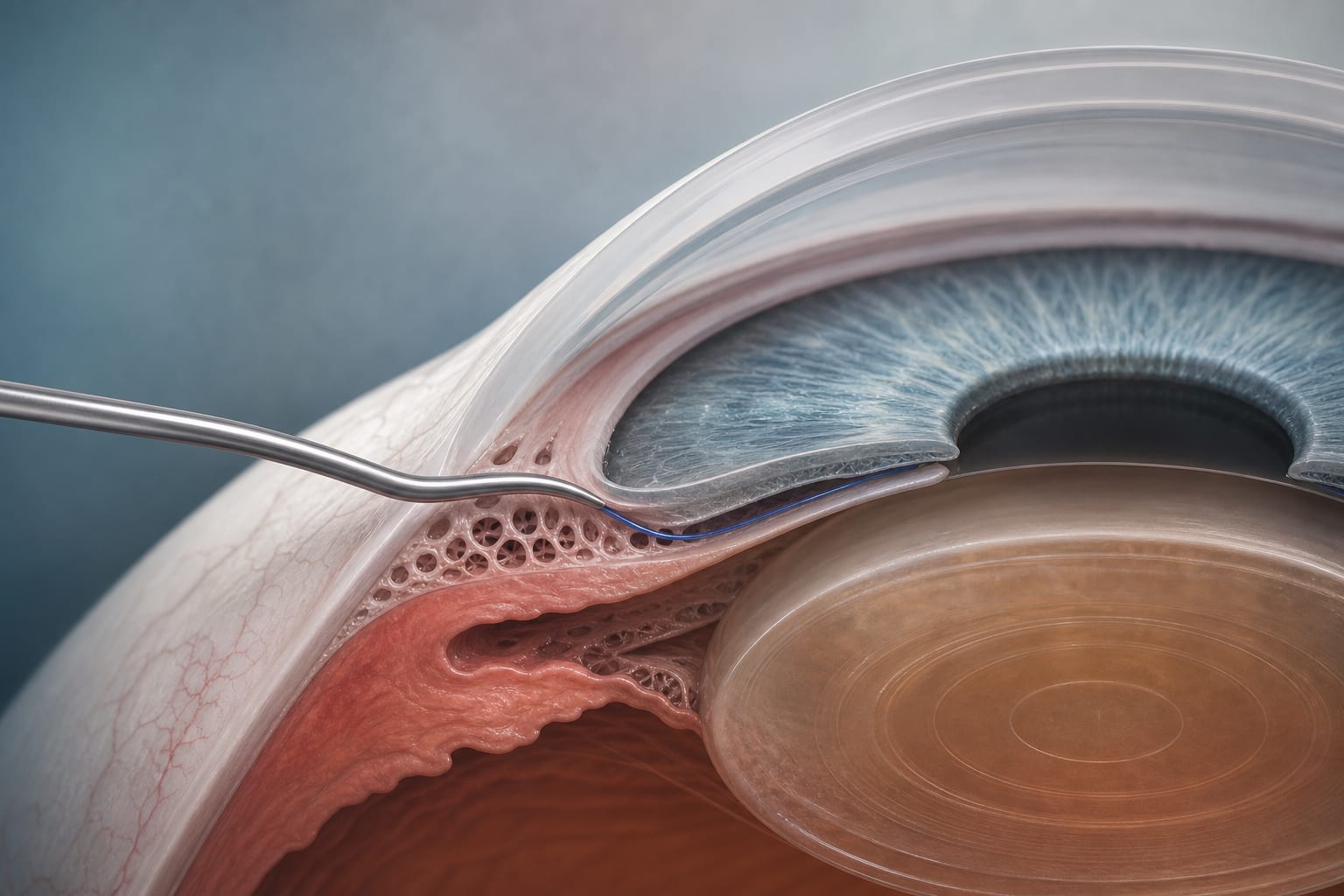
To evaluate whether retinal images can predict bronchopulmonary dysplasia and pulmonary hypertension in premature infants.
Approach:
Key Findings:
The multimodal model for bronchopulmonary dysplasia achieved an AUC of 0.82, outperforming demographics-only and imaging-only models (both 0.72).
For pulmonary hypertension, the imaging-only model achieved an AUC of 0.91, while the demographics-only model was 0.68.
The multimodal model for pulmonary hypertension also achieved an AUC of 0.91, indicating no significant improvement from adding demographics.
Interpretation:
Retinal imaging may provide valuable predictive insights for severe cardiopulmonary conditions in premature infants, potentially allowing for earlier interventions.
Limitations:
Small cohort size for pulmonary hypertension analysis.
Lack of external validation across different imaging devices.
Absence of model explainability analyses.
Conclusion:
This study suggests that retinal imaging, already part of routine care, could help identify infants at high risk for severe cardiopulmonary complications, warranting further research.