Conexiant’s news site is now MDSpire News. Learn more
Advertisement
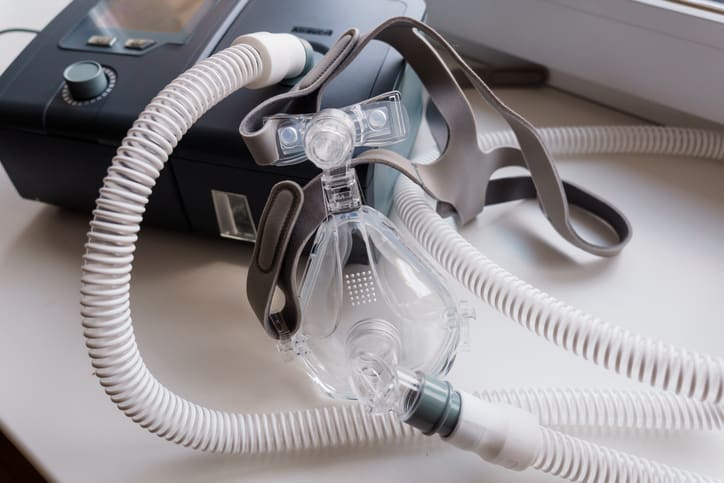
Can PAP resume immediately after sinus surgery?
Patients restarting therapy within 1 day showed no statistically significant adjusted differences in sinonasal healing, bleeding, or patient-reported outcomes.
To assess whether resuming positive airway pressure (PAP) on postoperative day 0 or 1 is associated with sinonasal outcomes after functional endoscopic sinus surgery.
Approach:
Design and participants: Prospective controlled study of 100 adults with chronic rhinosinusitis at 4 US academic medical centers (2019–2024): 49 patients with obstructive sleep apnea (OSA) resumed PAP early, and 51 patients without OSA served as controls.
Outcomes: Investigators assessed endoscopic scores, sinonasal symptoms, sleep quality, epistaxis, bleeding requiring medical care, and PAP-related complications at postoperative visits approximately 5–12 and 18–31 days after surgery.
Analysis: Multivariable analyses adjusted for sex, asthma, aspirin-exacerbated respiratory disease, diabetes, surgery type, and nasal polyp status.
Key Findings:
An early unadjusted difference in endoscopic scores at the first visit was not significant after adjustment; no significant between-group difference was found at the second visit.
Sinonasal symptoms and sleep quality improved in both groups, with no significant adjusted differences associated with early PAP resumption.
Epistaxis severity and need for medical management did not differ significantly between groups; no PAP-related complications were reported.
Interpretation:
The study authors reported that early PAP resumption was not associated with worse measured sinonasal outcomes in this study and described the findings as supporting the safety of early PAP use after functional endoscopic sinus surgery.
Limitations:
Nonrandomized design, incomplete data for selected variables, and baseline differences between groups.
PAP adherence was self-reported, OSA severity was not evaluated, and patients without OSA were not formally screened for OSA.
The small sample limited assessment of uncommon complications; patients with skull base defects and certain extensive procedures were excluded, limiting generalizability.
Higher annual oral corticosteroid exposure was associated with greater odds of systemic adverse events, with avascular bone necrosis and pneumonia showing dose-dependent associations with cumulative dose and osteoporosis associated with longer annual exposure duration.
National survey findings suggest many US adults report making health decisions based on social media despite widespread concerns about the accuracy of health information shared to the platforms.