Multisystem Inflammatory Syndrome in Children (MIS-C) Associated with Recent Omicron COVID-19 Subtypes is Rare but Involves Severe Cardiovascular Features - Summary - MDSpire
Conexiant’s news site is now MDSpire News. Learn more
Advertisement
Rare Occurrence of Multisystem Inflammatory Syndrome in Children (MIS-C) Linked to Recent Omicron Variants of COVID-19 with Notable Cardiovascular Complications
To evaluate the patterns of cardiovascular involvement in patients with MIS-C associated with the SARS-CoV-2 Omicron variant and compare findings between earlier Omicron subtypes and newer subtypes from the JN.1 lineage.
Approach:
Study Design: Retrospective review of hospitalized patients under 18 years with MIS-C at a single tertiary referral center over 28 months.
Inclusion Criteria: Patients meeting CDC diagnostic criteria for MIS-C with confirmed COVID-19 infection.
Exclusion Criteria: Patients not meeting diagnostic criteria or with alternative diagnoses.
Data Collection: Demographic, laboratory, and cardiovascular data were collected from electronic medical records.
Method: - Cardiac involvement occurs in up to 80% of MIS-C patients.
Method: Cardiovascular manifestations were most severe following Delta variant infections.
Method: A decrease in cardiovascular manifestations was observed with Omicron variant infections.
Method: The emergence of the JN.1 subtype has led to a lack of data on MIS-C presentation.
Method: Single-center study may limit generalizability.
Method: Retrospective design may introduce bias.
Key Findings:
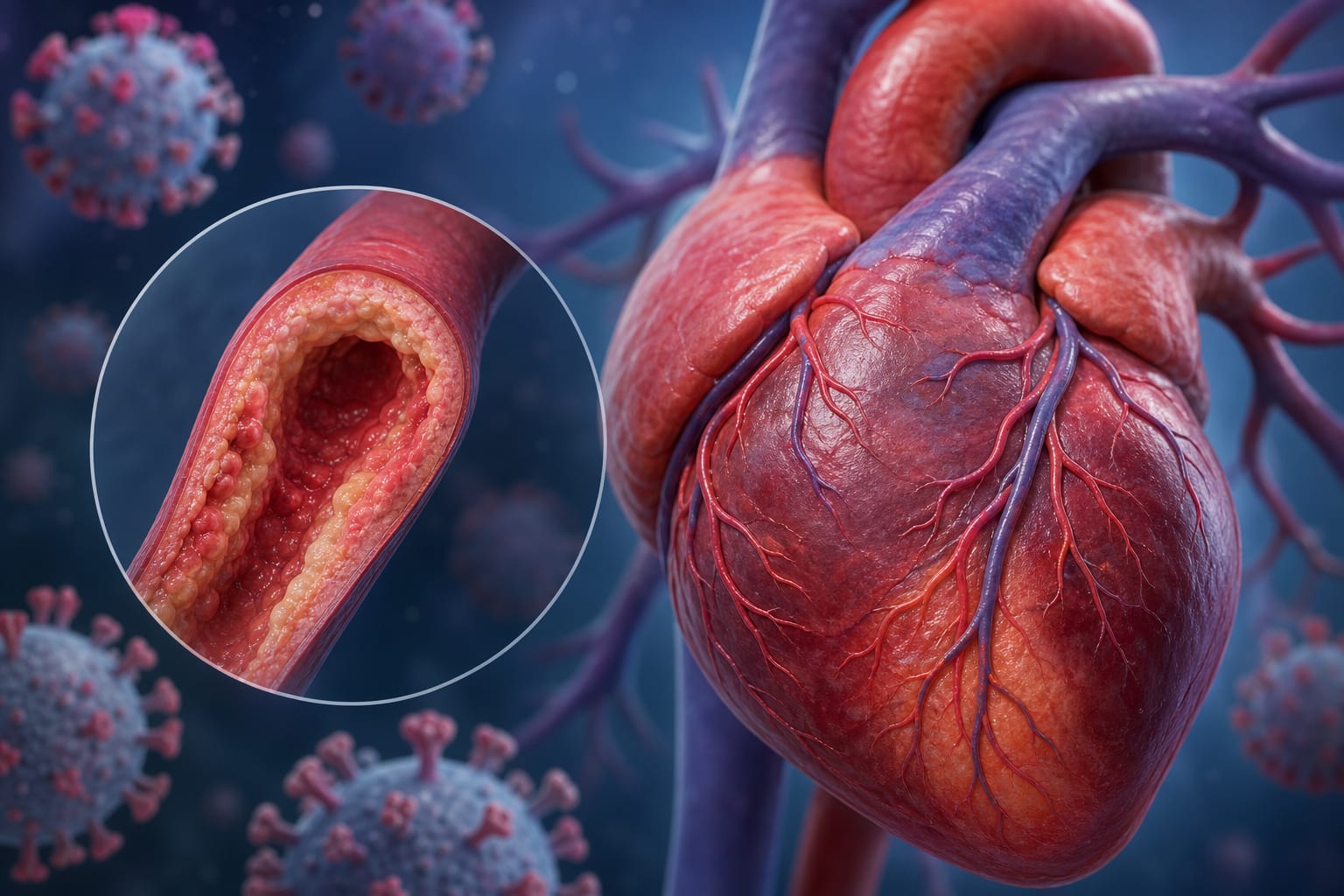
Cardiac involvement occurs in up to 80% of MIS-C patients.
Cardiovascular manifestations were most severe following Delta variant infections.
A decrease in cardiovascular manifestations was observed with Omicron variant infections.
The emergence of the JN.1 subtype has led to a lack of data on MIS-C presentation.
Interpretation:
The findings indicate that while cardiac involvement remains prevalent in MIS-C, the severity of cardiovascular manifestations appears to have decreased with the emergence of the Omicron variant compared to previous variants like Delta. The lack of data on the JN.1 subtype suggests a need for ongoing surveillance and research to understand its implications for MIS-C presentation.
Limitations:
Single-center study may limit generalizability.
Retrospective design may introduce bias.
Conclusion:
The study underscores the importance of monitoring cardiovascular complications in children with MIS-C, particularly as new variants of SARS-CoV-2 continue to emerge. The observed trends suggest a potential shift in the clinical profile of MIS-C associated with Omicron variants, but further research is essential to clarify the impact of the JN.1 lineage and to inform clinical management strategies for affected patients.
Federal prosecutors allege that a Florida physician and research staff fabricated clinical trial records that were submitted into database systems used to evaluate investigational drugs.