TXNDC12 and GDF2 as genetically supported plasma proteins associated with knee osteoarthritis: evidence from Mendelian randomization and preliminary biological support - Summary - MDSpire
Advertisement
TXNDC12 and GDF2 as genetically supported plasma proteins associated with knee osteoarthritis: evidence from Mendelian randomization and preliminary biological support
To identify circulating proteins associated with primary knee osteoarthritis (PKOA) and explore their potential as therapeutic targets.
Approach:
Study Design: A two-sample Mendelian randomization (MR) study was conducted using data from deCODE Genetics and the FinnGen study.
Data Sources: Included 4,907 plasma proteins from 35,559 individuals and PKOA genetic association data from 18,563 cases and 363,345 controls.
Analytical Methods: Single nucleotide polymorphisms were used as instrumental variables, with sensitivity analyses and multiple testing corrections applied.
Biological Validation: Western blotting and enzyme-linked immunosorbent assay were performed to validate the expression of prioritized proteins.
Key Findings:
Higher levels of TXNDC12 are associated with increased risk of PKOA (OR = 1.38, 95% CI: 1.27–1.50, P = 9.33 × 10⁻¹⁵).
GDF2 is associated with reduced risk of PKOA (OR = 0.93, 95% CI: 0.89–0.98, P = 4.17 × 10⁻²), but requires further validation.
TXNDC12 remained significant after multiple testing correction, while GDF2 met the FDR threshold only.
Network analyses identified 21 functionally related genes to TXNDC12 and GDF2.
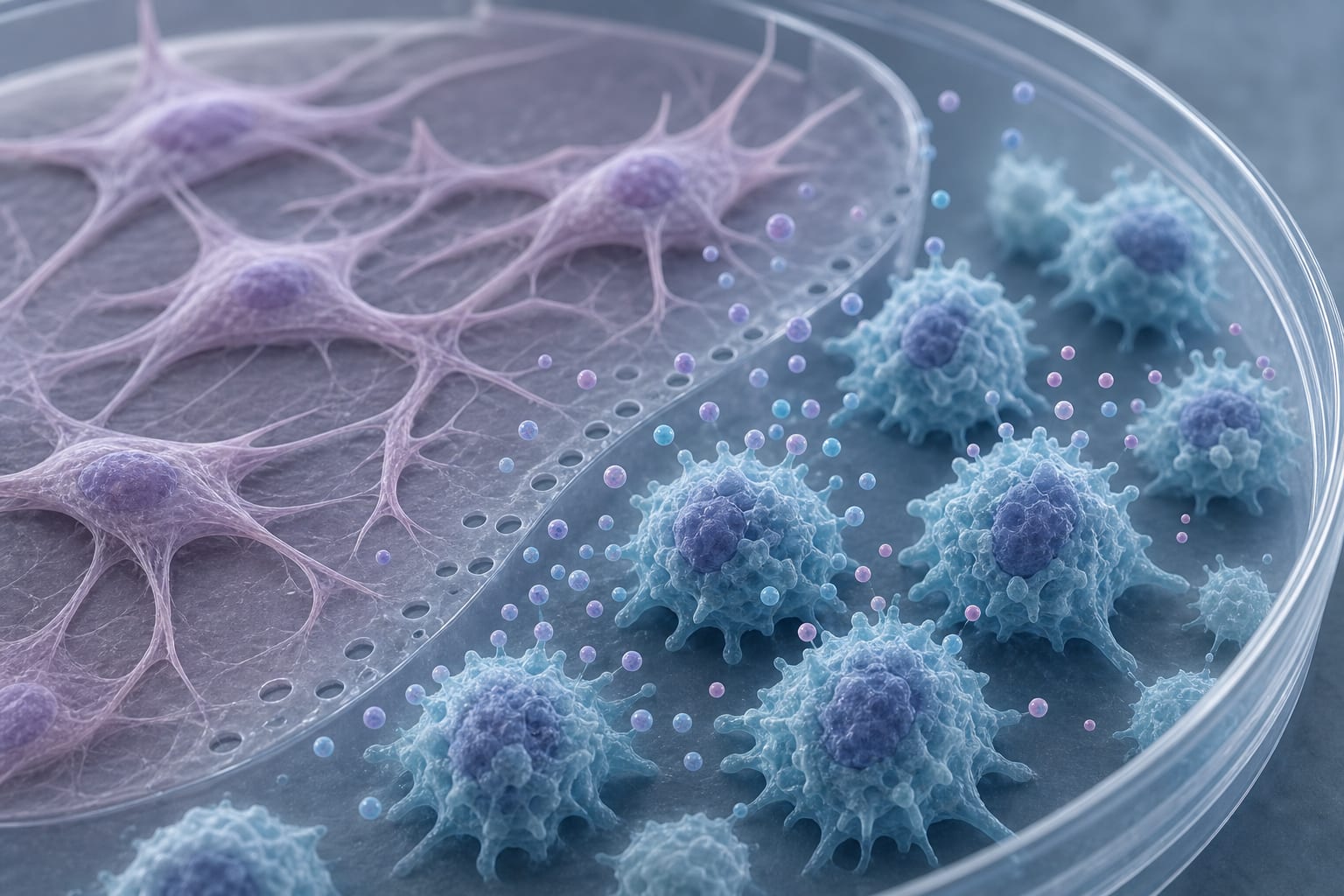
Preliminary analyses showed increased TXNDC12 and decreased GDF2 expression in PKOA model mice.
Interpretation:
TXNDC12 is identified as a genetically supported plasma protein associated with PKOA, while GDF2 is a candidate needing further validation.
Limitations:
The study relies on genetic associations and may not establish direct causation.
GDF2 findings are considered hypothesis-generating and require additional validation.
Conclusion:
The study provides preliminary evidence linking TXNDC12 and GDF2 to PKOA.