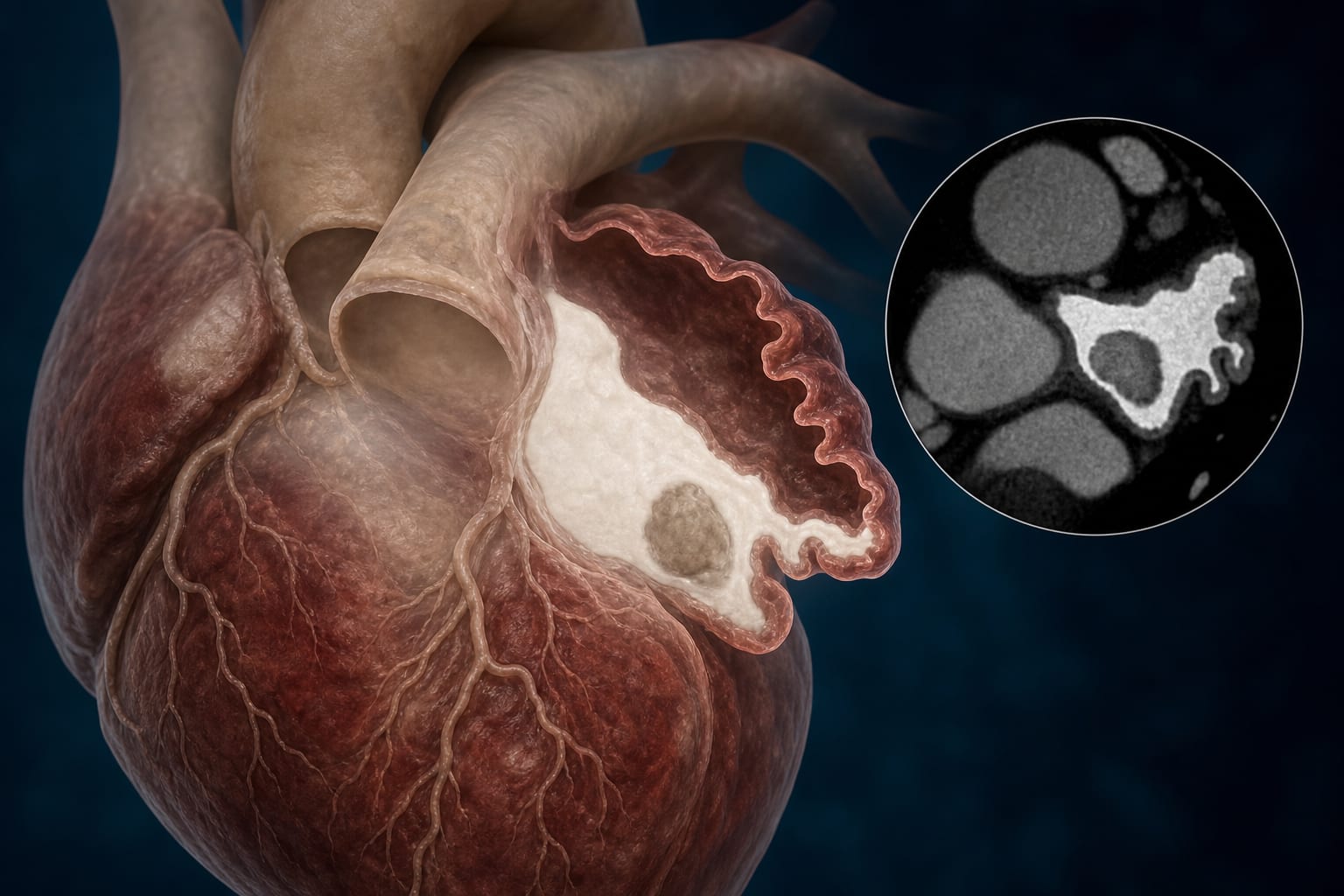
To provide a structured overview of recent advances in multimodal echocardiography for cardiac tumor diagnosis, evaluating strengths and limitations while highlighting directions for standardization and integration, focusing on literature from January 2014 to October 2023.
Approach:
Key Findings:
Echocardiography is the first-line imaging modality for cardiac tumors due to its noninvasive nature and real-time capability.
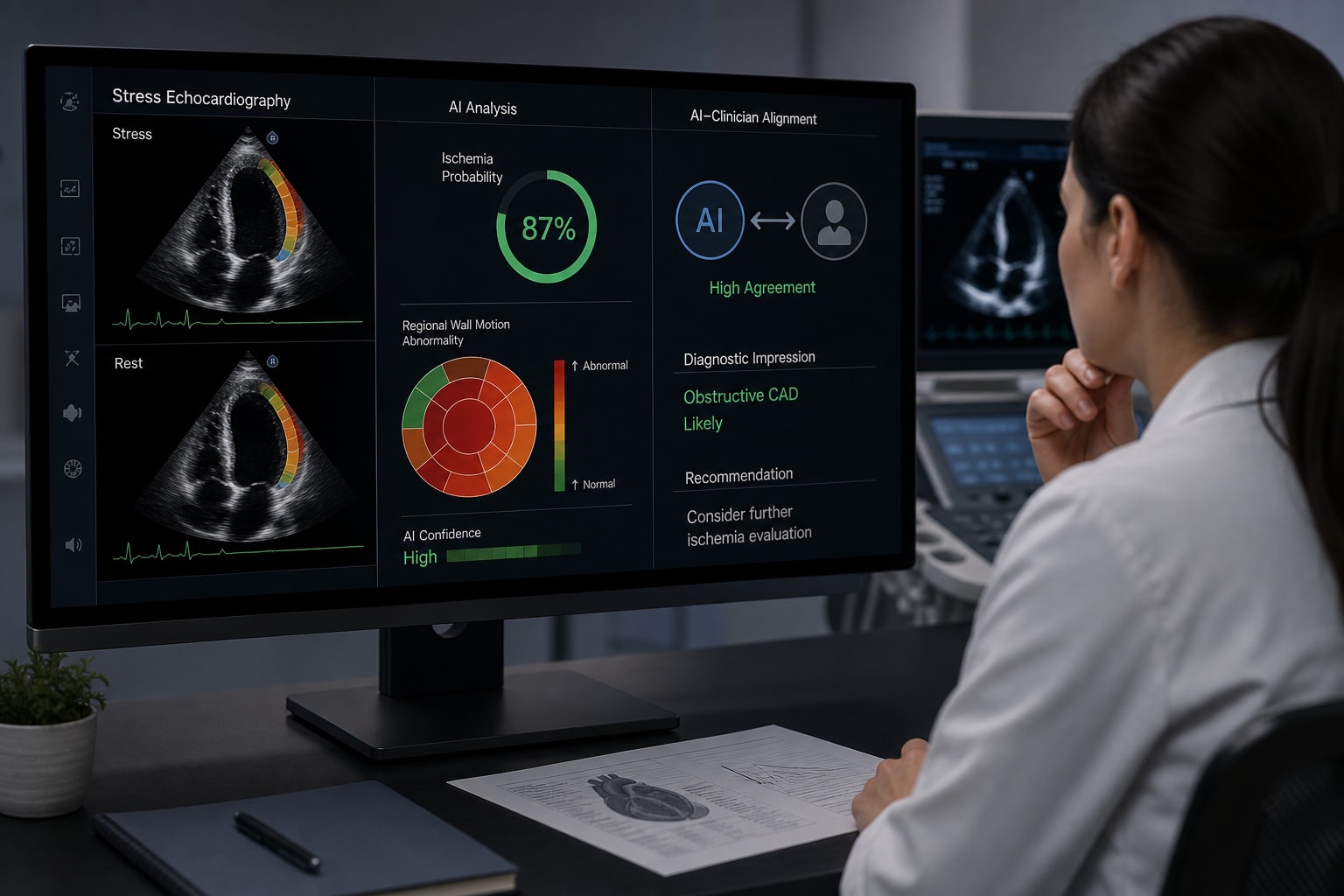
Recent advances include three-dimensional echocardiography, transesophageal echocardiography, contrast-enhanced ultrasound, speckle-tracking echocardiography, and emerging roles of artificial intelligence and radiomics.
Multimodal approaches have shown superior diagnostic performance compared to traditional 2D imaging.
Current research faces limitations such as nonstandardized imaging parameters, insufficient cross-vendor consistency, a lack of high-quality, prospective multicenter evidence, and a lack of externally validated diagnostic thresholds.
Interpretation:
The review systematically evaluates the progress in echocardiographic techniques for cardiac tumor diagnosis, emphasizing the need for standardization, improved quantitative assessment, and the integration of emerging technologies.
Limitations:
Lack of standardized diagnostic criteria across studies.
Absence of consensus on quantitative indicators.
Insufficient integration of multimodal information.
Weakness of the current evidence base, primarily consisting of single-center and retrospective studies.
Lack of externally validated diagnostic thresholds.
Conclusion:
The review highlights the need for methodological transparency and reproducibility in echocardiographic research for cardiac tumors, and emphasizes the importance of integrating AI and radiomics in future studies.