Hematopoietic stem cell transplantation activity in China 2019: a report from the Chinese Blood and Marrow Transplantation Registry Group - Summary - MDSpire
Advertisement
Hematopoietic stem cell transplantation activity in China 2019: a report from the Chinese Blood and Marrow Transplantation Registry Group
To provide an overview of hematopoietic stem cell transplantation (HSCT) activity in China for the year 2019, highlighting its significance in treating various hematological disorders.
Key Findings:
In 2019, a total of 12,323 HSCTs were performed in China, marking the first time the annual number exceeded 10,000, indicating a significant growth in transplantation capacity.
78% of HSCTs were allogeneic, with 60% being from haploidentical donors (HID), reflecting a shift in donor sourcing.
The median age of HSCT patients was 31 years, with a significant number of pediatric (≤18 years) and elderly (>50 years) patients, highlighting the broad demographic impact of HSCT.
The most common indications for HSCT were acute leukemia, particularly AML and ALL, underscoring the need for targeted treatment options.
Interpretation:
The increase in HSCT activity, particularly in HID, reflects advancements in transplantation practices and donor availability in China, suggesting improved outcomes for patients.
Limitations:
Data collection was retrospective and may not capture all HSCTs performed, potentially underestimating the total activity.
The distinction between first and multiple transplants for patients was not made, which could affect the interpretation of patient outcomes.
Conclusion:
The report highlights the growing trend of HSCT in China, particularly in the use of haploidentical donors, and underscores the need for ongoing monitoring and support for transplantation services to ensure continued improvement in patient care.
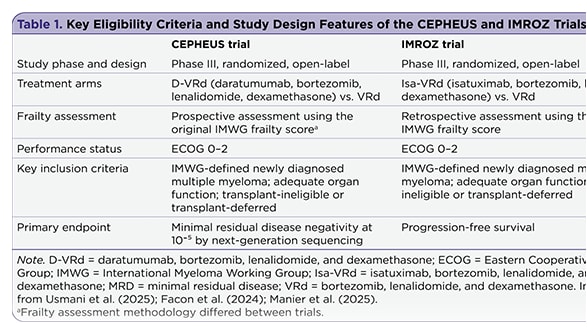
The management of newly diagnosed transplant-ineligible multiple myeloma remains challenging, in part due to the complexity of treatment decisions for frail patients. Recent subgroup analyses provide insight into whether quadruplet therapy may offer advantages over triplet therapy in this population.