To synthesize current evidence on apoptotic regulation in non-obstructive azoospermia (NOA) and evaluate its clinical relevance.
Approach:
Literature Review: A narrative and critical review of literature on apoptosis in NOA, utilizing databases like PubMed and Web of Science.
Key Findings:
NOA is characterized by absent spermatozoa due to impaired spermatogenesis, with histological classifications including Sertoli-cell-only syndrome, maturation arrest, and hypospermatogenesis.
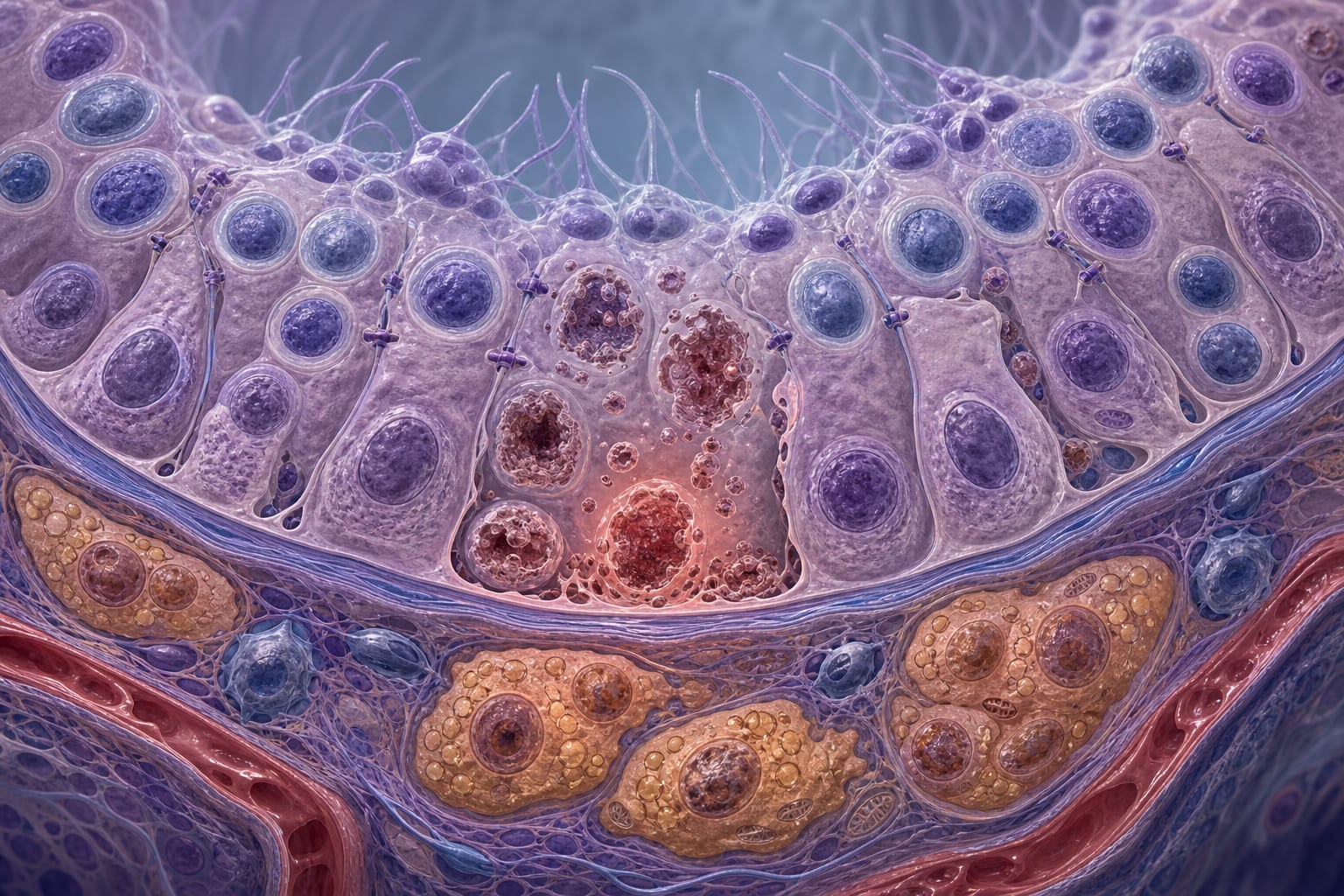
Apoptosis plays a dual role in spermatogenesis, being necessary for germ cell homeostasis but potentially excessive in NOA.
Increased apoptotic indices and altered Bax/Bcl-2 ratios are linked to impaired spermatogenesis.
Various upstream factors such as genetic abnormalities, hormonal dysregulation, oxidative stress, and inflammation contribute to apoptotic signaling in NOA.
Interpretation:
Apoptosis in NOA may represent either protective elimination of defective germ cells or potentially reversible stress-induced depletion, depending on the underlying causes.
Limitations:
The review is based on literature that may not encompass all recent findings beyond May 2026.
Variability in sperm retrieval success rates complicates the correlation between histopathological classifications and clinical outcomes.
Conclusion:
Future research should focus on validated biomarker panels and patient stratification to improve the understanding and management of apoptosis in NOA.