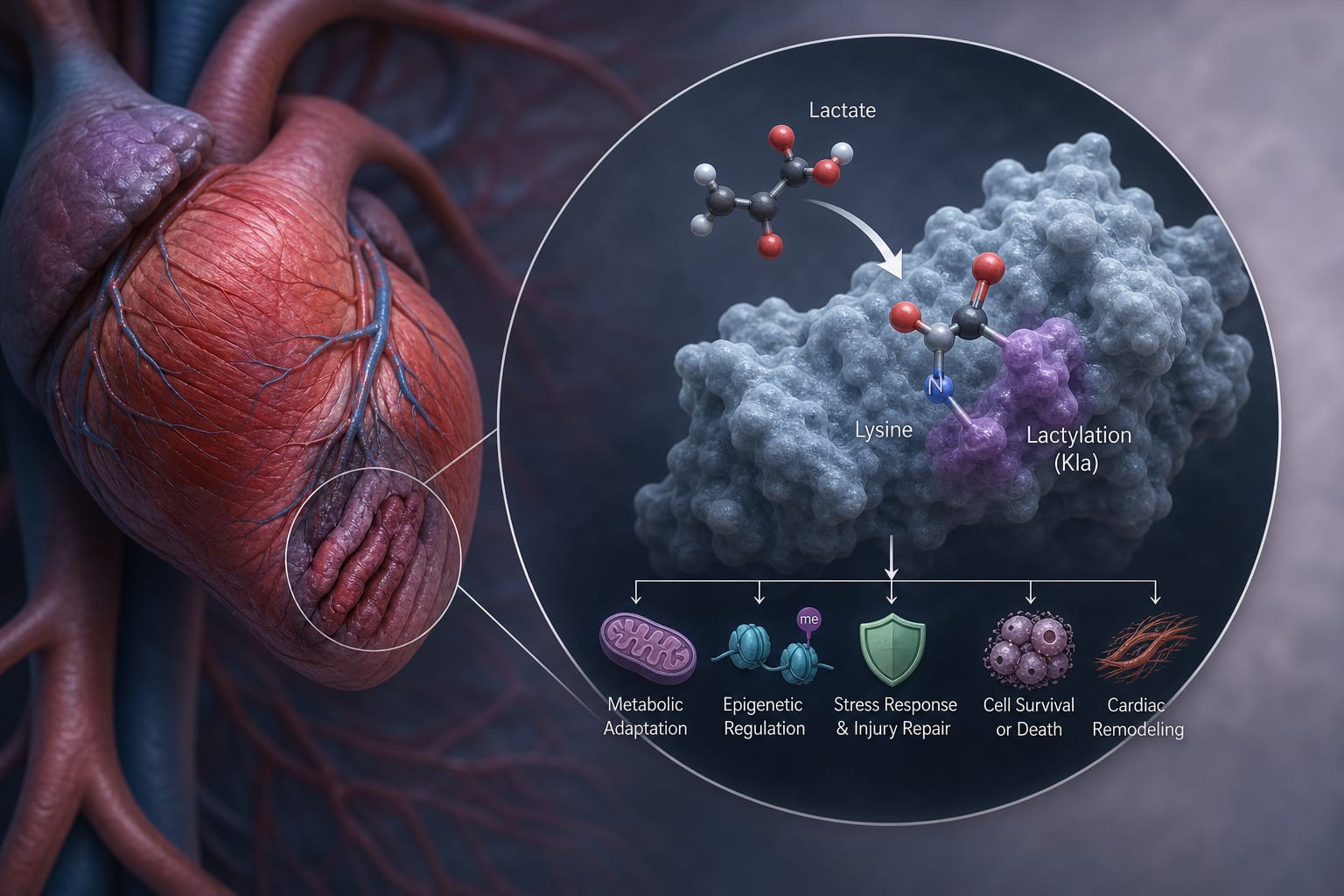
To critically examine the role of protein lactylation (Kla) in myocardial ischemia-reperfusion injury (MIRI) and discuss potential therapeutic strategies targeting this mechanism.
Approach:
Literature Review: The review synthesizes current findings on Kla's involvement in MIRI, analyzing mechanisms and evaluating translational potential.
Key Findings:
MIRI is a significant complication in cardiovascular therapy, often exacerbated by reperfusion.
Kla is a post-translational modification linked to lactate metabolism that affects cardiomyocyte survival.
Kla regulates key pathways related to cell death, inflammation, and cardiac remodeling.
Lactate accumulation during ischemia serves as a substrate for protein lactylation, linking metabolism to gene regulation.
Interpretation:
Kla represents an active adaptive mechanism in cardiomyocytes responding to ischemic stress, influencing various biological processes.
Limitations:
Current understanding of Kla's role in MIRI is limited and lacks comprehensive synthesis.
There is a translational gap between preclinical findings and clinical cardioprotection.
Conclusion:
The review highlights the need for further research on Kla to inform the development of novel therapeutic strategies for MIRI.
Investigators compared cardiovascular outcomes with tirzepatide and a placebo proxy in patients with type 2 diabetes and established atherosclerotic cardiovascular disease.
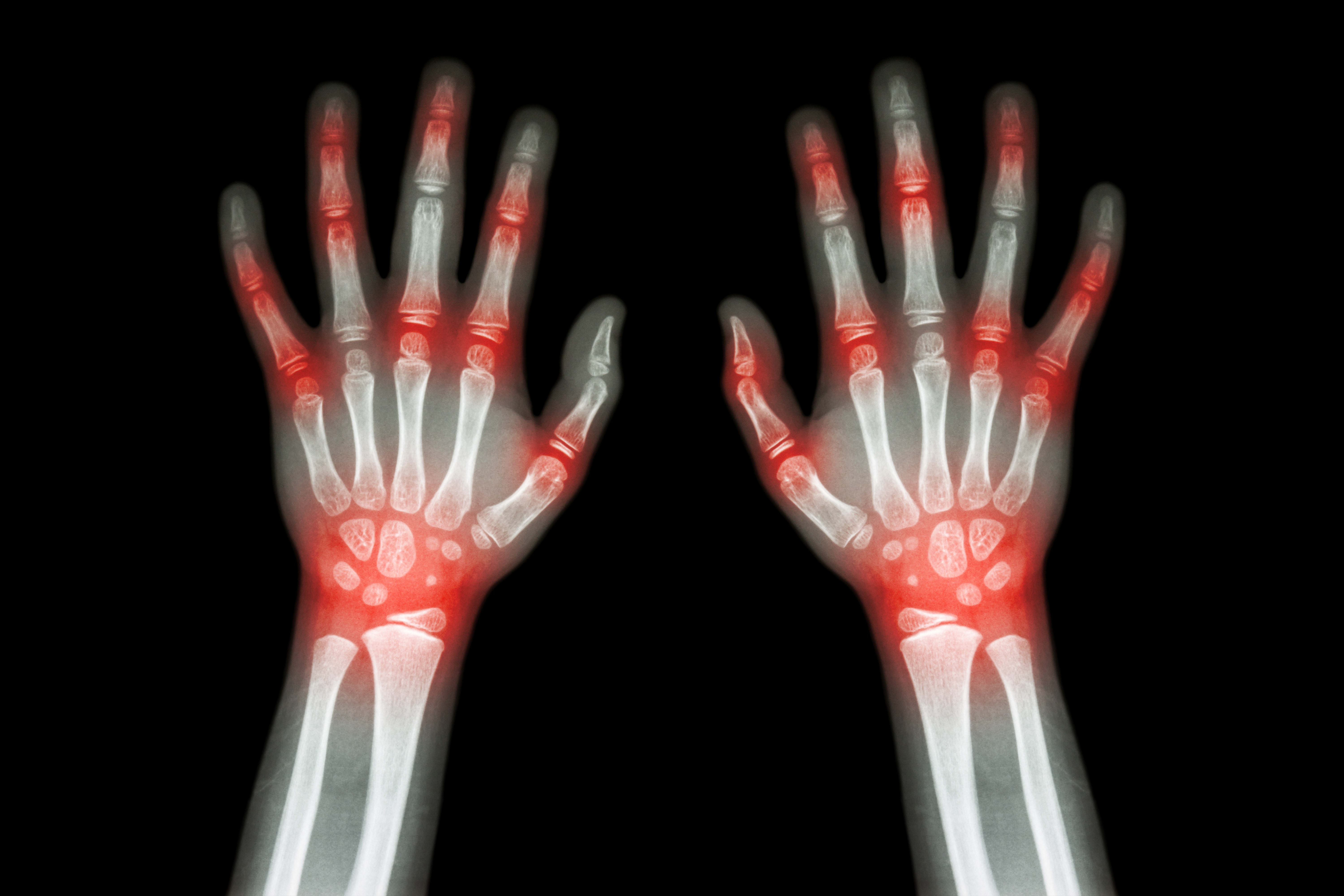
Combined rheumatoid factor and anticitrullinated protein antibody status appeared to modify the association between baseline rheumatoid arthritis disease activity and subsequent cardiovascular events in an international observational cohort.