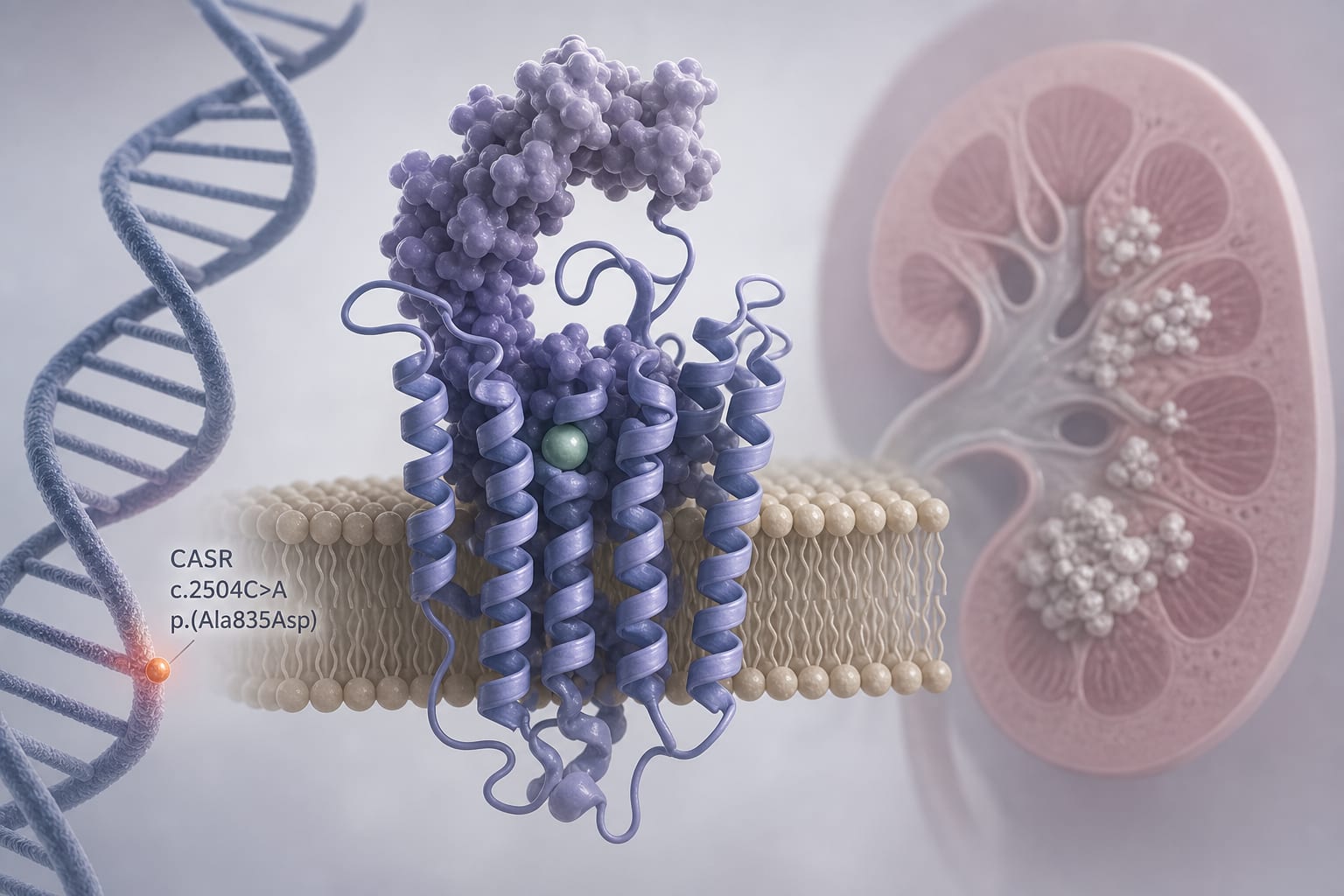
To evaluate the therapeutic response of palopegteriparatide in a pediatric patient with Autosomal Dominant Hypocalcemia Type 1 (ADH1) who had inadequate control of symptoms and biochemical markers with standard therapy.
Approach:
Key Findings:
The patient experienced complete resolution of tetany.
Biochemical stability improved with reduced phosphate levels and a lower calcium-phosphate product, with specific values to be included.
Alfacalcidol and calcium supplementation were successfully discontinued.
Interpretation:
Palopegteriparatide may be a valuable therapeutic option in pediatric ADH1 when conventional therapy fails, highlighting the need for further studies on its long-term safety and efficacy, particularly in comparison to existing treatments.
Limitations:
The study is based on a single case report, limiting generalizability to the broader pediatric population with ADH1.
Long-term safety and efficacy of palopegteriparatide in children remain to be established, necessitating further research.
Conclusion:
Palopegteriparatide shows promise as a treatment for pediatric patients with ADH1 when standard therapies are inadequate.
A prespecified exploratory analysis of the FIND-CKD clinical trial examined kidney function, albuminuria, and kidney failure outcomes in 903 patients with glomerular diseases.