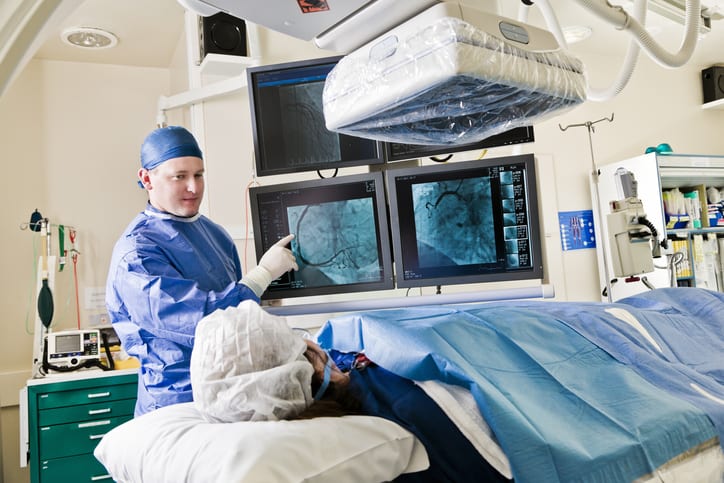
To explore the impact of artificial intelligence (AI) on the diagnosis and management of prostate cancer through specific imaging techniques such as TRUS, mp-MRI, and PSMA PET/CT.
Key Findings:
AI models demonstrate high accuracy in prostate cancer diagnosis, often matching expert performance in specific metrics.
AI improves detection of small lesions and supports risk stratification in patients, leading to better management strategies.
Challenges include data quality, generalization of AI models, clinical integration, and ethical considerations that must be addressed.
Interpretation:
AI has significant potential to improve prostate cancer diagnostic imaging, with implications for patient outcomes, but further advancements are needed to address existing challenges.
Limitations:
Data quality issues may affect AI model performance, leading to potential misdiagnoses.
Generalization of AI models across diverse populations remains a challenge, risking inequities in care.
Integration of AI into clinical workflows is not yet fully realized, hindering its practical application.
Ethical concerns regarding AI use in healthcare, such as bias and accountability, need to be addressed.
Conclusion:
The future of AI in prostate cancer imaging is promising, with potential developments in multi-omics, explainable AI, and decision support systems that could revolutionize patient care.