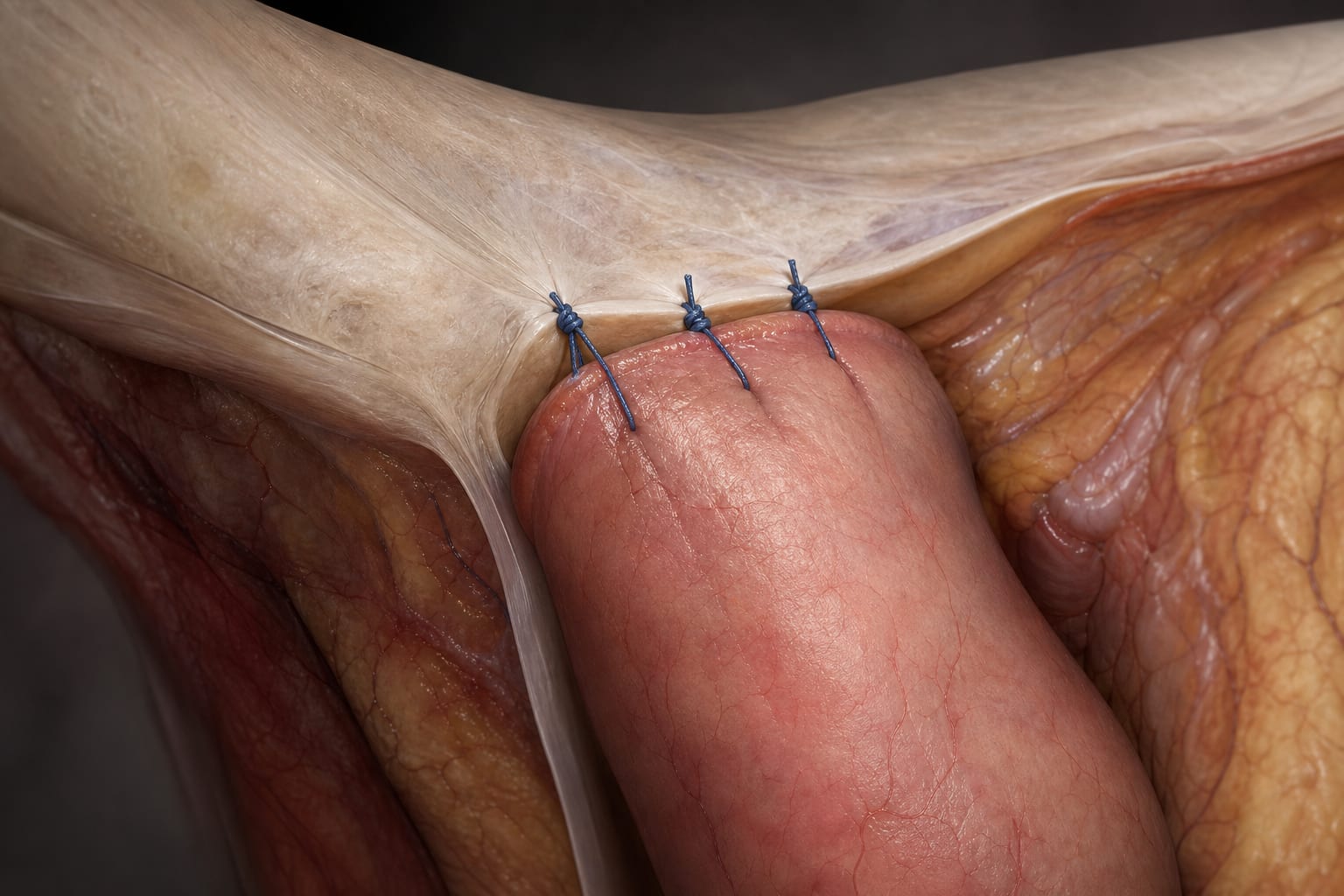
To develop a system for assessing tissue penetration forces and investigate geometrical characteristics for colorectal compression anastomosis, which is crucial for improving surgical techniques.
Key Findings:
The study identified critical parameters affecting puncturing forces in colorectal anastomosis, including specific force measurements.
Different fixation arrangements and insertion speeds influenced the insertion force required, with quantifiable results.
The mechanical properties of porcine tissue were comparable to human tissue, supporting its use in experiments.
Interpretation:
The findings provide insights into the biomechanical requirements for developing effective anastomotic devices, potentially improving surgical outcomes by informing design choices.
Limitations:
The study was conducted using ex-vivo porcine tissue, which may not fully replicate in-vivo conditions, potentially limiting the generalizability of the results.
The experimental setup may not encompass all variables present in actual surgical scenarios, which could affect the applicability of the findings.
Conclusion:
The developed force-measuring setup is a promising tool for optimizing the design of colorectal anastomosis devices, enhancing surgical precision and patient recovery.
These 10 states make it more practical for physicians to participate in hospital ownership by aligning statutory structure, corporate practice of medicine rules, and population trends.